


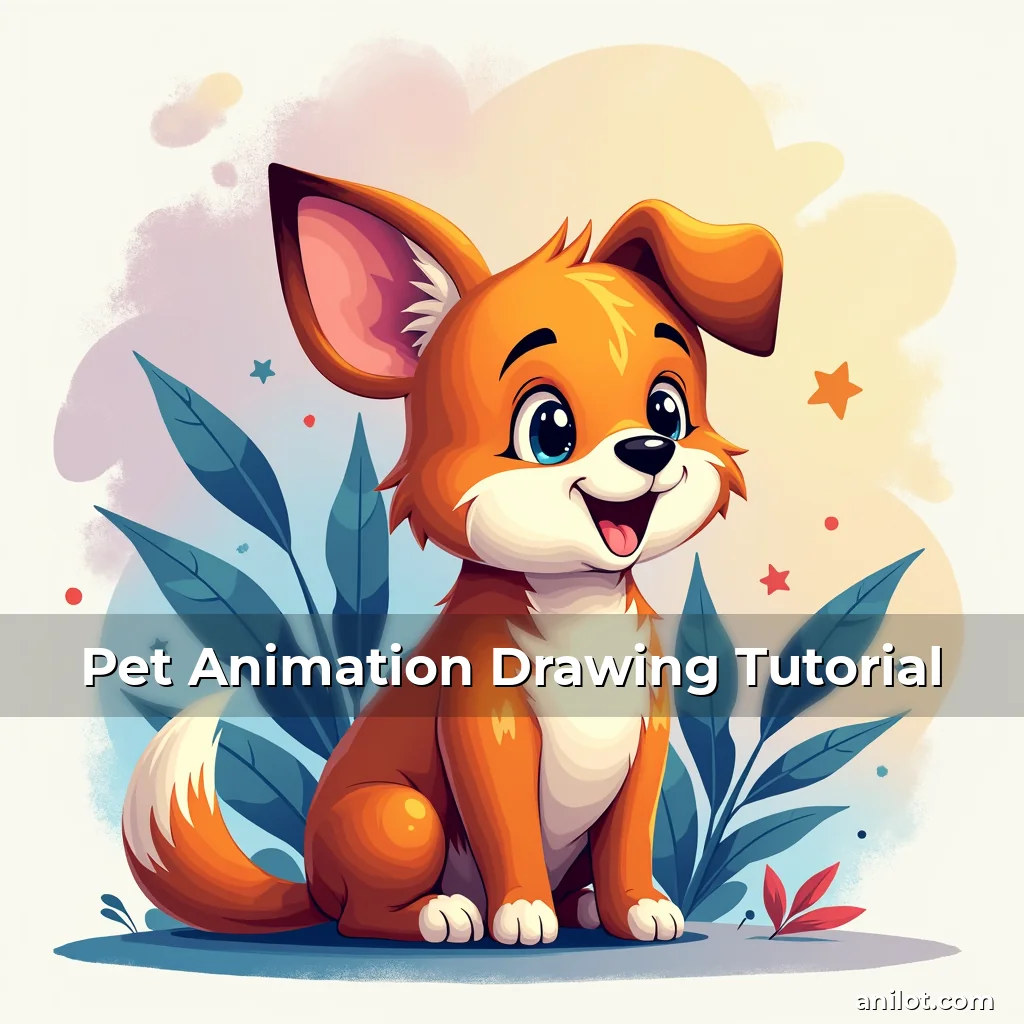
Whiskers in Motion: A Pet Animation Masterclass
Pet animation brings life to our favorite furry friends through art, blending creativity with technical skill. Whether you’re illustrating a playful cat or a wagging dog, capturing the essence of these creatures requires both precision and imagination.
This guide explores the world of pet animation, covering techniques, tools, and inspiration tailored for creators of all levels. Dive into the process of transforming simple sketches into dynamic characters that leap off the page.
The Fundamentals of Pet Animation
Pet animation starts with observing your subject closely. Study their posture, gait, and expressions to understand what makes them unique. This observation forms the foundation for accurate and expressive designs.
Beginners often overlook the importance of basic shapes. Using circles, ovals, and triangles simplifies complex forms, allowing you to focus on proportions before adding intricate details. These geometric guides ensure consistency in scaling and symmetry.
Movement is key to bringing pets to life. Even still images benefit from implied motion—think of a tail flick or paw raised mid-step. Capturing these subtle gestures adds energy and realism to your work.
- Anatomy basics: Learn skeletal structures and musculature to create realistic poses. Dogs have longer legs than cats, and birds require balance-focused frames.
- Color palettes: Match hues to the animal’s coat type. Shorthaired pets use solid blocks, while long-haired breeds demand gradient shading and texture overlays.
Designing Your Animated Pet Character
Your pet character should reflect personality traits. A mischievous pup might have exaggerated eyes and a wiggling nose, while a regal feline features sleek lines and poised postures. Define these characteristics early in the design phase.
Simplify complex features to maintain clarity. Remove unnecessary details—such as individual whisker strands or excessive fur textures—to avoid visual clutter, especially in stylized animations.
Crafting Expressive Facial Features
Facial expressions are critical in pet animation. Large, rounded eyes convey innocence, whereas narrow slits suggest alertness. Experiment with eye placement and size to match the desired emotion.
Ears and mouths also communicate feelings. Perked ears signal curiosity, while flattened ones indicate fear. Mouth shapes range from open smiles to snarls, depending on the scene’s mood.
Average adult dogs have 38 teeth, but cartoon versions rarely depict all of them. Focus on simplified mouth shapes—curved arcs for happy grins or straight lines for angry growls—to maintain visual harmony.
Tips for Realistic Movement Sequences
Create smooth transitions between poses by following the 12 principles of animation. Anticipation, action, and follow-through apply equally to pets—imagine a cat stretching its body before pouncing.
Differentiate between walking cycles and running animations. Pets shift weight differently; dogs push forward with their hind legs, while cats use their front limbs for propulsion. Timing these nuances enhances believability.
Add secondary actions to enrich scenes. A barking dog might shake its head after each vocalization, and a playful puppy could kick its legs mid-leap. These small touches elevate simplicity into complexity.
Selecting the Right Tools for Pet Animation
Digital tools streamline the pet animation workflow. Programs like Adobe Photoshop offer layers for separating fur, skin, and accessories, enabling easier editing and adjustments.
Traditional methods remain viable for illustrators. Pencils allow for quick thumbnail sketches, while ink pens define outlines cleanly. Watercolor washes provide soft gradients ideal for depicting fluffy coats.
- Software recommendations: Blender for 3D modeling, Toon Boom Harmony for rigging, and Krita for freehand drawing. Each platform excels in specific areas of animation production.
- Hardware considerations: Invest in a graphics tablet for precise brush control. High-resolution monitors reduce pixelation errors when zooming in on fine details.
Inspiration Sources for Pet Animations
Study real-world footage of pets interacting with humans or playing alone. Notice how light reflects off fur, shadows form beneath bodies, and joints flex during movement. These observations inform authentic animations.
Explore wildlife documentaries for exotic pet ideas. Lizards, iguanas, and parrots exhibit distinct behaviors worth replicating in animations. Their unique gaits challenge conventional approaches to locomotion depiction.
Visit local parks or shelters regularly. Observe interactions between animals and people—their reactions, body language, and emotional responses serve as goldmine material for developing relatable characters.
Common Challenges in Pet Animation
One frequent hurdle is maintaining consistent scale across animation frames. A sudden jump may stretch the pet disproportionately unless carefully measured against reference points established early in development.
Animating hair presents difficulties due to its volume and density. Long-haired breeds like Persian cats require specialized shaders to simulate individual strand dynamics without overwhelming rendering times.
Overcomplicating backgrounds can distract from the pet protagonist. Keep environments minimalistic until mastery allows for elaborate settings that complement rather than overshadow the central figure.
Building Storytelling Through Animal Characters
Pets naturally lend themselves to narrative-driven animation. They react instinctively to situations—a lost puppy searching for home or a raccoon sneaking food from a picnic basket. Use these scenarios to develop engaging plotlines.
Showcase relationships between animals and humans. Depict trust-building moments, like a shy stray gradually warming up to a kind caretaker. Emotional beats deepen audience connection to the story arc.
Leverage anthropomorphism sparingly. While giving pets human-like qualities can be charming, overdoing it risks losing authenticity. Balance humor with genuine animal behavior for effective character portrayal.
Maintaining Creativity During Projects
Vary your approach periodically to prevent monotony. Try switching between photorealistic and caricature styles, experimenting with lighting conditions, or altering perspective angles dramatically for fresh results.
Join online communities dedicated to pet animation. Platforms like ArtStation host talented creators sharing tips and critiques. Engaging with peers fosters growth and introduces novel techniques worth exploring.
Set aside time daily for brainstorming sessions. Jot down random ideas sparked by everyday occurrences—you never know what inspired concept might emerge from casual observation!
Conclusion
Pet animation blends technical expertise with artistic vision, resulting in captivating portrayals of our cherished companions. By mastering foundational skills and embracing experimentation, creators unlock endless possibilities.
Start small, refine consistently, and let passion drive your progress. Every stroke contributes toward crafting memorable animated pets that resonate emotionally with audiences worldwide.


news is a contributor at AniLot.com. We are committed to providing well-researched, accurate, and valuable content to our readers.
You May Also Like

Animated Wildlife Stories with Facts
Animated Wildlife Stories with Facts The world of animated wildlife storytelling has evolved from simple children's tales to intricate narratives...
Animated Wildlife Stories Series
The Enchanting World of Animated Wildlife Stories: A Journey Through Nature's Adventures In recent years, animated wildlife stories have captured...
Animal Cartoons Voice Actors
The Magic Behind Animal Cartoon Voice Acting: A Deep Dive into Iconic Performances In the world of animated entertainment, few...
Making Funny Animal Videos
The Joy of Capturing and Sharing Hilarious Animal Moments Online Funny animal videos have become a global phenomenon, bringing laughter...