


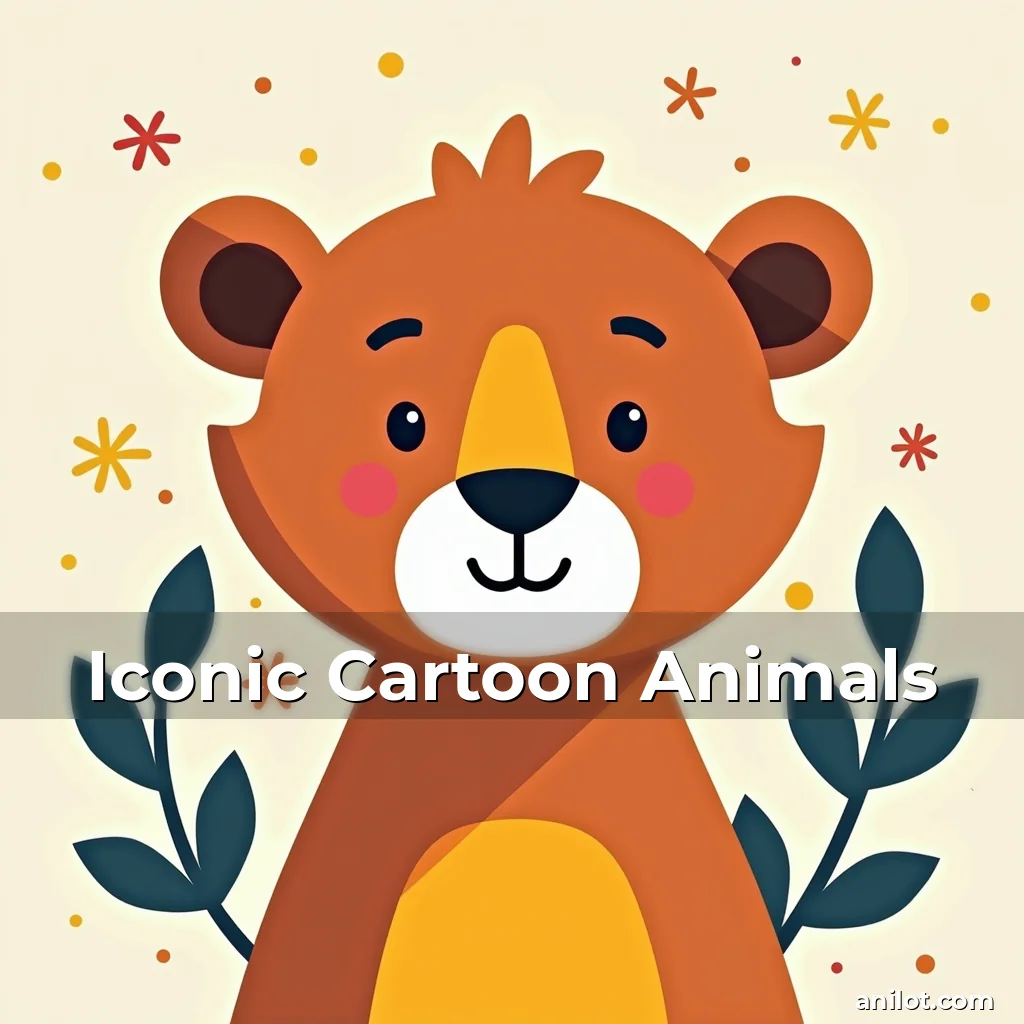
The Endearing World of Iconic Cartoon Animals
In the vibrant realm of animation, cartoon animals have long captivated audiences across generations. These whimsical characters bring joy, humor, and often profound messages wrapped in playful exteriors.
From classic staples that defined decades to modern innovators redefining storytelling, cartoon animals remain central to animated media’s evolution. Their universal appeal transcends language barriers, making them cultural touchstones worldwide.
A Historical Perspective on Cartoon Animal Evolution
The journey of cartoon animals began in the early 20th century when pioneers experimented with anthropomorphic creatures as narrative devices. Early examples showcased simple line drawings evolving into expressive characters capable of conveying complex emotions.
Pioneering animators discovered that giving human traits to animals created instant relatability while maintaining visual novelty. This duality became foundational to successful character design through subsequent eras.
The golden age of cartoons saw the rise of iconic animal figures who would become household names. Looney Tunes’ Bugs Bunny exemplified cleverness personified in a rabbit form, while The Simpsons’ Mr. Burns demonstrated how even villains could be endearingly peculiar.
- Anthropomorphism: Assigning human characteristics allows deeper emotional connections between viewers and characters.
- Cultural Impact: Many cartoon animals transcend their original medium, influencing fashion, toys, and even political commentary.
Technological advancements revolutionized cartoon animal creation from hand-drawn techniques to CGI realism. Digital tools enabled greater expression ranges, allowing artists to explore previously unimaginable physicality and motion possibilities.
Famous Cartoon Animal Franchises That Defined Generations
The world of animated entertainment is populated by several franchises whose animal protagonists have left indelible marks on pop culture. These enduring series continue to entertain new generations while preserving nostalgic value for older fans.
Disney’s roster includes beloved classics like Mickey Mouse, a white mouse whose adventures helped define the studio’s identity since his debut in 1928. His enduring popularity demonstrates the timeless appeal of well-crafted animal characters.
SpongeBob SquarePants stands out as a contemporary phenomenon featuring a sponge living underwater. Its surreal humor and vibrant visuals have made it one of the most-watched shows globally, proving that cartoon animals can thrive beyond traditional norms.
Notable milestones:
- Garfield, the lasagna-loving cat, first appeared in 1978 and remains relevant through comics, movies, and merchandise.
- The Powerpuff Girls debuted in 1996 with their pink superhero personas, blending childhood innocence with action-packed scenarios.
Each franchise contributes uniquely to the broader landscape of cartoon animal representation. Some emphasize slapstick comedy, others focus on moral lessons, and many blend these elements seamlessly within compelling narratives.
Psychological Appeal of Cartoon Animals in Media Consumption
Cartoon animals hold special psychological significance for both children and adults. Their exaggerated features make abstract concepts tangible, helping young minds grasp complex ideas through simplified forms.
Studies show that cartoon animals serve dual purposes: they provide escapism while also offering educational value. Shows like Bluey use animal characters to demonstrate parenting strategies that resonate universally with caregivers.
The childlike nature of these characters creates safe spaces for exploring difficult topics. For example, Peppa Pig addresses social situations in ways that are accessible without being overwhelming for young audiences.
Adults find comfort in cartoon animals too, often relating to themes of friendship, perseverance, and self-discovery through familiar yet fantastical portrayals. The universality of these themes ensures continued relevance across demographics.
Design Principles Behind Successful Cartoon Animal Characters
Create memorable cartoon animals requires thoughtful consideration of visual elements. Designers balance simplicity with distinctiveness to ensure characters are instantly recognizable while remaining versatile for various applications.
Proportions play crucial roles in defining personality traits visually. A larger head relative to body size might indicate youthfulness or cuteness, whereas elongated limbs can suggest agility or gracefulness depending on context.
Movement dynamics contribute significantly to character expressiveness. Animators carefully choreograph motions to match personalities – a bouncing gait for energetic characters versus slow deliberate movements for wise elders.
Consistency across mediums maintains brand recognition. Whether appearing in TV episodes, merchandise, or video games, cartoon animals must retain core visual identities despite format variations.
Educational Value Embedded Within Cartoon Animal Narratives
Many cartoon animal stories contain layers of learning opportunities disguised as entertaining plots. Educational content becomes palatable through imaginative settings where lessons feel less like homework and more like adventure.
Environmental awareness often finds creative expressions in these worlds. In Wild Kratts, for instance, the team explores ecosystems while teaching conservation principles through exciting wildlife encounters.
Social-emotional development receives attention through character interactions. Dora the Explorer models problem-solving skills during her quests, showing kids how to approach challenges systematically.
Cognitive abilities get exercised indirectly through puzzles and mysteries presented in shows like Arthur. Solving problems alongside characters helps develop critical thinking skills organically.
Language acquisition benefits from multilingual characters like Diego, who naturally incorporates Spanish vocabulary into everyday conversations without feeling forced or artificial.
The Global Influence of Cartoon Animals Across Cultures
Cartoon animals have become powerful symbols of global connectivity. While originating from particular cultures, these characters often transcend borders to achieve international acclaim and adaptation.
Different regions interpret cartoon animals through local lenses, creating culturally rich versions that maintain core identities while incorporating regional flavors. Japanese anime frequently blends traditional motifs with futuristic elements in its animal depictions.
International co-productions showcase cross-cultural creativity. Projects like Pocahontas incorporate indigenous perspectives while appealing to Western sensibilities, demonstrating the adaptability of cartoon animal narratives.
Cross-cultural impact highlights:
- Kung Fu Panda introduced Chinese martial arts philosophies to global audiences through Po, the panda protagonist.
- Avatar: The Last Airbender combined Eastern spiritual concepts with Western fantasy tropes, creating a hybrid that resonated internationally.
Localization efforts ensure accessibility while respecting source material integrity. Voice actors, dubbing choices, and cultural references receive careful consideration to maintain authenticity without alienating foreign audiences.
Innovation in Modern Cartoon Animal Storytelling Techniques
Contemporary creators push boundaries by integrating cutting-edge technologies with time-honored traditions. Virtual reality experiences now allow immersive interactions with cartoon animals unlike ever before.
Interactive storytelling formats enable audience participation, transforming passive viewing into active engagement. Games like Minecraft include cartoon-style animal companions that respond dynamically to player actions.
Data analytics inform character development by tracking viewer preferences and behaviors. Insights guide decisions about which traits resonate most with target demographics, ensuring continuous improvement.
Augmented reality brings cartoon animals into real-world environments, bridging digital and physical realms in unprecedented ways. Apps let users interact with virtual pets superimposed onto actual surroundings.
These innovations don’t replace traditional methods but rather expand possibilities, keeping cartoon animal storytelling fresh and relevant in rapidly changing technological landscapes.
Preserving Legacy Through Fan Communities and Merchandising
Vibrant fan communities sustain interest in classic cartoon animals, ensuring their legacy continues through shared enthusiasm and creative reinterpretations. Online platforms facilitate connection among enthusiasts worldwide.
Merchandising keeps these characters present in daily life, from clothing items to collectibles. Limited edition releases create anticipation while honoring significant anniversaries or milestones.
Conventions and exhibitions celebrate ongoing fandoms, providing spaces for tribute, discussion, and appreciation of artistic achievements. These gatherings reinforce communal bonds around shared interests.
Artist collaborations generate new interpretations that respect originals while showcasing contemporary styles. Such partnerships bridge generational gaps by making vintage characters relevant to current audiences.
Streaming services preserve access to classic cartoons, guaranteeing future generations can experience these iconic animal characters regardless of location or time constraints.
Conclusion
Cartoon animals occupy a unique space in popular culture, serving as bridges between imagination and reality. Their ability to convey deep messages through fun-filled adventures makes them invaluable storytelling vehicles.
To fully appreciate these characters, engage with diverse representations across mediums while supporting creators who continue pushing the boundaries of what cartoon animals can achieve. Your interaction helps shape the future of this enduring art form.
“`


news is a contributor at AniLot.com. We are committed to providing well-researched, accurate, and valuable content to our readers.
You May Also Like

Inspiring Animated Wildlife Stories
Inspiring Animated Wildlife Stories Animated wildlife stories have captivated audiences worldwide by blending artistry with education, creating immersive experiences that...
Cartoon Animals Voice Acting
tag, your response is invalid. The Art of Cartoon Animal Voice Acting: Crafting Believable Characters Through Sound The world of...

Animated Movies Oscar Winners
The Enchanting World of Animated Movies: A Journey Through Time and Imagination Animated movies have captivated audiences worldwide since their...

Animal Cartoons Streaming Services
The World of Animal Cartoons: A Journey Through Whimsy and Wonder In today’s digital age, animal cartoons have transcended mere...