
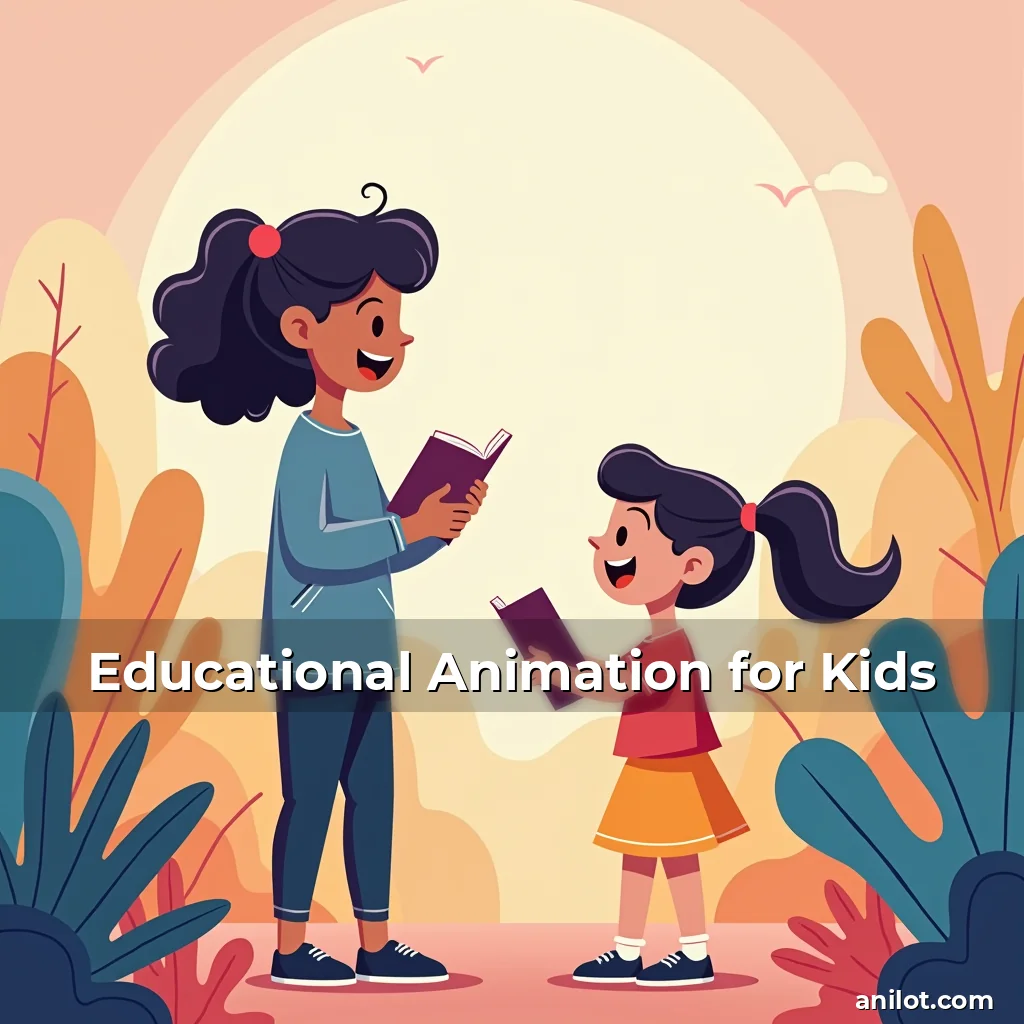
Educational Animation for Kids
Animation isn’t just entertainment—it’s a powerful tool for teaching young minds. From explaining complex science concepts to fostering creativity, animated stories engage children in ways traditional methods often cannot.
For parents, educators, and creators, understanding how to harness animation’s potential is essential. This guide explores its impact, creation process, and best practices for making learning fun.
The Role of Animation in Child Development
Animation plays a vital role in shaping children’s cognitive, emotional, and social growth. By combining visual storytelling with interactive elements, it helps kids grasp abstract ideas quickly and retain information effectively.
Studies show that animated content enhances memory retention and problem-solving skills. Children exposed to educational cartoons perform better in subjects like math and language arts compared to peers who rely solely on textbooks.
- Cognitive Growth: Animated sequences break down processes into digestible parts, aiding logical reasoning and spatial awareness.
- Emotional Intelligence: Characters facing real-world scenarios teach empathy, conflict resolution, and resilience.
Moreover, animation encourages imagination by allowing children to visualize possibilities beyond their immediate environment. This mental flexibility supports innovation and curiosity.
Parents and teachers should prioritize high-quality, age-appropriate animations that balance entertainment with educational value. Overstimulation or inappropriate content can hinder rather than help development.
Types of Educational Animations for Kids
There are countless styles of animation designed to educate and entertain children. Each type serves different purposes, from reinforcing academic knowledge to promoting physical activity.
Animated series like *Bluey* combine play-based learning with life lessons, while shows such as *Dora the Explorer* integrate interactive problem-solving into everyday adventures.
Interactive vs. Passive Learning
Interactive animations require child participation, such as answering questions or completing tasks. Platforms like PBS Kids offer games that reinforce learning through direct involvement.
In contrast, passive animations deliver information without requiring action. Documentaries like *Nature Cat* explain scientific phenomena through narration and visuals alone.
Both approaches have merits. Interactive formats build confidence and decision-making skills, whereas passive ones allow deeper concentration on complex topics.
How to
Selecting the Right Tools and Software
Creating animation today doesn’t require expensive equipment or advanced technical expertise. Many accessible tools empower amateurs and professionals alike to produce quality content.
Software like Blender offers free, professional-grade features for 3D animation, while Toon Boom Harmony caters to industry-standard workflows. For simpler projects, apps like Adobe Express provide drag-and-drop templates.
Beginners can experiment with stop-motion animation using smartphones and basic editing apps. This low-cost method fosters creativity without steep learning curves.
Collaboration with educators during software selection ensures alignment with curricular goals. Teachers can suggest tools that integrate seamlessly with classroom activities.
Integrating Animation Into School Curricula
Schools increasingly recognize animation’s potential to supplement traditional teaching. Integrating it strategically maximizes student engagement without replacing core instruction.
Teachers use animated videos to introduce new units, review material, or illustrate difficult concepts visually. For example, a physics lesson on gravity becomes tangible through a cartoon depicting falling objects.
Digital platforms like Khan Academy and YouTube Education host libraries of animated tutorials spanning various subjects. Schools can license these resources or adapt open-source materials.
Flipped classrooms benefit greatly from pre-recorded animations, freeing class time for hands-on experiments and discussions. Students watch content at home, then apply knowledge collaboratively in school.
Challenges and Ethical Considerations
While animation holds immense promise, challenges exist regarding screen time limits, content accuracy, and cultural sensitivity. Addressing these issues ensures responsible usage.
Excessive exposure to screens can lead to sedentary habits and reduced face-to-face interaction. Parents and schools must enforce balanced media consumption schedules.
Critics argue that some animations oversimplify complex topics or promote consumerism through product placements. Rigorous vetting by experts prevents misinformation and ethical lapses.
- Cultural Representation: Diverse characters and settings foster inclusivity, avoiding stereotypes that marginalize certain groups.
- Data Privacy: Online platforms collecting viewer data must comply with regulations like COPPA to protect minors’ personal information.
Transparency about funding sources and advertising partnerships builds trust among users. Families appreciate knowing whether content prioritizes education over profit motives.
Fostering Creativity Through DIY Animation Projects
Encouraging children to
Conclusion
Educational animation bridges the gap between play and learning, transforming abstract concepts into vivid experiences. Its versatility makes it indispensable in modern education and parenting strategies.
To maximize its benefits, choose purposeful content, support creative experimentation, and stay informed about technological advancements. Embrace animation as a dynamic force for empowering tomorrow’s thinkers and innovators.
About the Author

Related Articles
The Magic World of Animation for Kids: Sparking Imagination Through Moving Pictures
The Magic World of Animation for Kids: Sparking Imagination Through Moving Pictures In today’s digital…
Age-Appropriate Animation for Kids
Age-Appropriate Animation for Kids The world of animation has evolved dramatically over the years, becoming…
Animation For Kids Strategies and Implementation
The Magic of Animation: A Gateway to Creativity and Learning for Kids In today’s digital…