


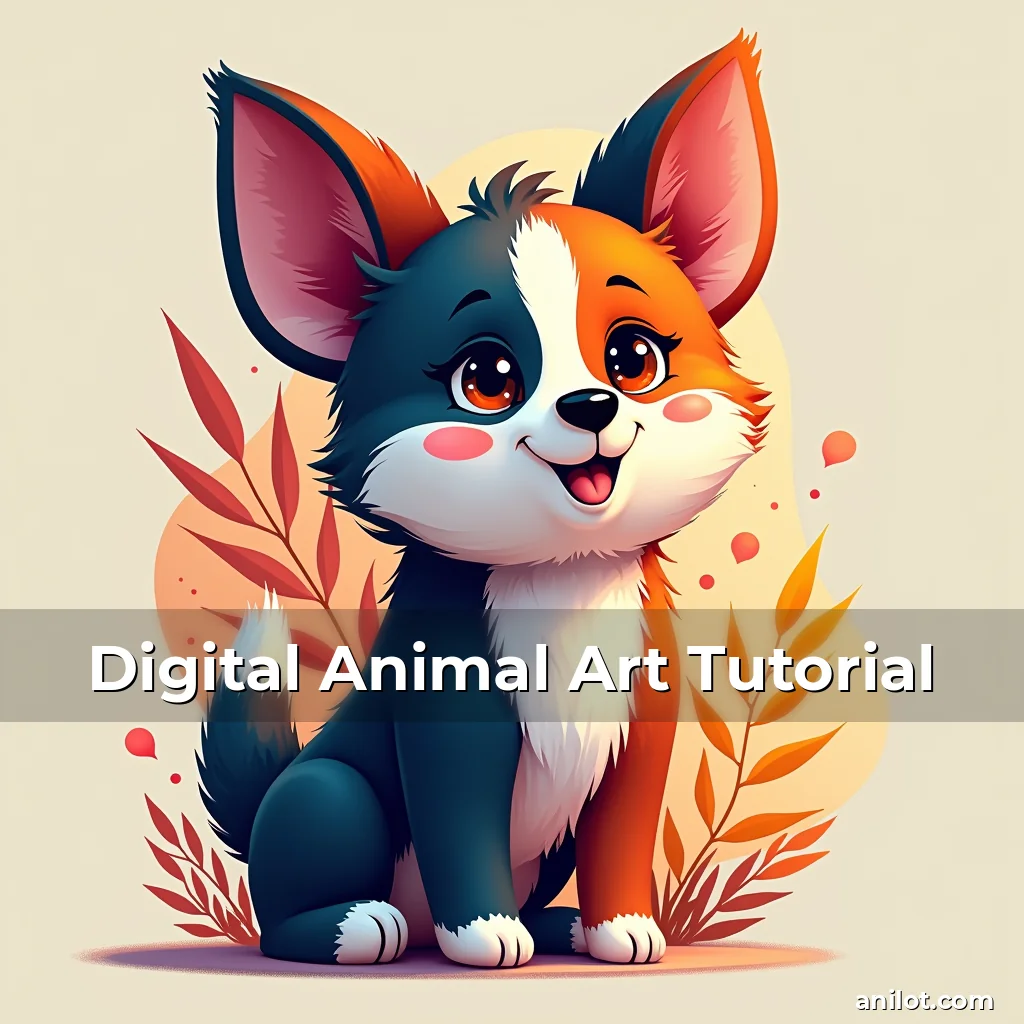
Digital Animal Art Unleashed: A Creative Odyssey Through Pixels and Paws
In today’s vibrant world of digital creativity, the realm of animal art has evolved beyond traditional canvases, embracing the limitless potential of pixels and screens. Digital animal art not only allows artists to explore imaginative landscapes but also fosters deeper connections with nature and wildlife through innovative visual storytelling.
This exploration delves into the intricacies of crafting compelling animal imagery in a digital format, highlighting the synergy between technology and natural beauty that defines modern artistic expression.
The Evolution of Digital Animal Artistry
From rudimentary sketches on pixelated grids to high-resolution renderings on advanced graphic tablets, the journey of digital animal art reflects humanity’s enduring fascination with the animal kingdom. This evolution has been driven by technological advancements that have democratized access to powerful creative tools previously reserved for elite studios and professionals.
Motivated by a desire to capture the essence of creatures great and small, contemporary artists leverage cutting-edge software to bring fantastical beings to life. These creations range from hyper-realistic depictions of endangered species to whimsical interpretations of mythical beasts.
As technology continues to evolve, so does our ability to represent animal forms in increasingly nuanced ways. From intricate fur textures to bioluminescent patterns, each innovation opens new avenues for artistic expression and environmental awareness.
The accessibility of digital tools has also transformed the way we engage with animal themes in art. Interactive installations and augmented reality experiences now allow audiences to immerse themselves in ecosystems teeming with life, blurring the line between physical and virtual worlds.
- Software Revolution: Programs like Adobe Illustrator and Corel Painter provide precise control over every aspect of animal illustration, enabling artists to achieve stunning results with relative ease.
- Hardware Advancements: High-resolution graphics tablets offer pressure-sensitive inputs that mimic the tactile experience of traditional media while enhancing efficiency and flexibility.
- Collaborative Possibilities: Cloud-based platforms facilitate collaboration among artists worldwide, allowing diverse perspectives to shape collective visions of the animal world.
The integration of artificial intelligence into the creative process further expands possibilities, though it raises intriguing questions about authorship and originality in digital art.
Crafting Realism in Digital Canvases
To master digital animal art, one must first grasp fundamental principles of proportion and perspective. Understanding these foundational elements ensures that regardless of medium, artworks maintain anatomical accuracy and spatial coherence.
Study of animal morphology becomes paramount when aiming for realistic portrayals. Close examination of taxidermy specimens, field guides, and scientific illustrations provides invaluable insight into musculature, bone structure, and skin texture.
A particularly effective technique involves utilizing layered construction methods. By building up forms gradually—from basic shapes to complex detailing—artists gain greater control over composition and shading effects.
Paying attention to subtle features such as eye placement, ear orientation, and limb articulation significantly enhances believability in any depiction. These seemingly minor aspects collectively define an animal’s identity and behavior.
Light sources play a critical role in conveying three-dimensionality. Strategic use of highlights and shadows helps sculpt volumes and suggest movement, adding dynamism to otherwise static compositions.
Anatomical Mastery for Enhanced Realism
Proficient knowledge of comparative anatomy enables artists to depict various species accurately. Whether rendering mammals, birds, or reptiles, familiarity with shared structural characteristics facilitates believable transformations between forms.
Bone structures serve as blueprints for external appearances. Recognizing typical skeletal arrangements informs decisions regarding body proportions, joint placements, and limb functionality.
Muscle groups determine surface contours beneath skin coverings. Mapping these underlying frameworks before applying outer layers leads to more convincing representations of strength and agility.
Skin variations require careful consideration—fur density affects light reflection differently than scales or feathers do. Mastering these distinctions contributes greatly to achieving authentic textures.
Harnessing Color Theory in Animal Illustration
Color choices profoundly influence the emotional resonance of animal artwork. Selecting appropriate hues requires understanding both biological realities and artistic intent behind each piece.
Natural camouflage strategies reveal much about suitable palettes. Studying how animals utilize chromatic adaptation teaches valuable lessons about blending tones harmoniously within ecological contexts.
Complementary color relationships enhance vibrancy without overwhelming viewers. Thoughtful application
Limb gestures speak volumes about internal emotions—raised paws demonstrate excitement whereas tucked limbs communicate caution or anxiety.
Environmental Storytelling Through Animal Depictions
Contextual settings enrich narratives surrounding depicted creatures. Habitat selection directly impacts color choices, texture applications, and atmospheric effects employed in final works.
Forest dwellers benefit from dappled sunlight filtering through leaves, casting soft shadows that accentuate fur volume and give depth perception cues.
Desert inhabitants thrive in harsher conditions reflected through sun glare, wind-swept sands, and heat-induced mirages modifying appearance according to distance.
Urban landscapes present unique challenges requiring synthesis between naturalistic elements and manufactured structures, emphasizing adaptability and resilience themes.
Marine environments necessitate distinct approaches addressing water refraction properties and underwater illumination peculiarities absent on land surfaces.
Integrating Flora and Fauna Harmoniously
Botanical backgrounds deserve equal attention alongside primary subjects. Layered plant life offers rich textural contrast complementing animal features without overshadowing them.
Flower petal orientations inform directional light sources, helping establish consistent illumination throughout entire compositions including non-living components.
Leaf vein structures mirror capillary networks found in animal skin, providing organic continuity between disparate elements sharing same ecosystem.
Ground cover textures interact with footprints left behind, suggesting activity history and reinforcing temporal storytelling dimensions within frame boundaries.
Community Engagement and Collaborative Projects
Active participation within creative communities nurtures professional development and inspiration exchange. Engaging regularly with fellow digital artists cultivates mutual support systems beneficial for everyone involved.
Participation in themed challenges encourages stepping outside comfort zones, leading to unexpected discoveries about one’s capabilities and limitations.
Collaborative projects promote cross-pollination of ideas resulting in hybrid styles never achievable working alone continuously.
Sharing processes openly educates novices while simultaneously deepening understanding among experienced practitioners through constructive critique exchanges.
Virtual exhibitions
Machine learning models trained on extensive image databases assist preliminary concept stages by suggesting aesthetically pleasing combinations unlikely considered manually otherwise.
Virtual reality environments offer immersive spaces where spectators can physically navigate constructed habitats inhabited entirely by artist-created animal characters.
Conclusion
Digital animal art represents a fascinating intersection between tradition and innovation, offering endless possibilities for expressing admiration for the natural world through modern mediums. As this field evolves rapidly, staying engaged with ongoing developments remains vital for continued growth and relevance.
Embrace the journey of exploring your own artistic voice while contributing meaningfully to broader conversations about our relationship with other living beings. With dedication and imagination, anyone can leave their mark upon this ever-expanding canvas of digital creativity.


news is a contributor at AniLot.com. We are committed to providing well-researched, accurate, and valuable content to our readers.
You May Also Like

Animated Series Netflix Originals
The Rise of Animated Series: A Cultural Phenomenon Redefining Entertainment In recent years, animated series have surged in popularity across...


The Magic World of Animation for Kids: Sparking Imagination Through Moving Pictures
The Magic World of Animation for Kids: Sparking Imagination Through Moving Pictures In today's digital age, animation has become a...
Animal Characters Cultural Impact
Animal Characters: Their Enduring Influence Across Cultures and Media From ancient mythologies to contemporary animations, animal characters have occupied a...
Animated Wildlife Stories for Schools
Animating Nature's Tales: A Journey Through Animated Wildlife Stories for Educational Purposes In today's digital era, animated wildlife stories have...