
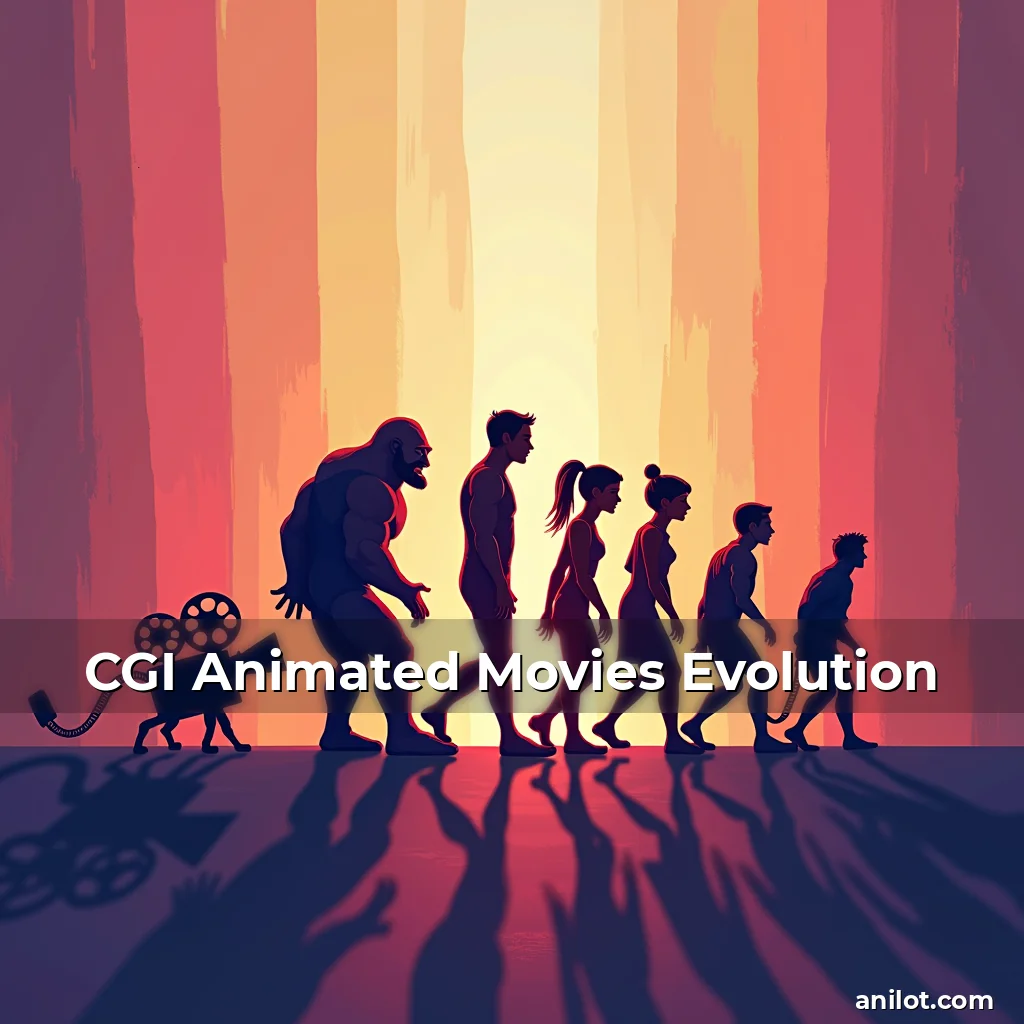
The Enchanting World of Animated Movies: A Journey Through Time and Imagination
In the vast landscape of cinema, animated movies stand as a testament to human creativity and technological advancement. From hand-drawn classics to cutting-edge CGI masterpieces, these films have captivated audiences across generations, offering stories that blend fantasy with emotion.
This exploration delves into the evolution, cultural impact, and future possibilities of animated movies, celebrating their role as both art forms and entertainment powerhouses.
A Historical Overview: The Roots of Animation
The origins of animation trace back to the late 19th century when pioneers experimented with moving images. Early techniques such as flipbooks and zoetropes laid the groundwork for what would become a global phenomenon.
Pioneers like Émile Cohl and Winsor McCay pushed the boundaries of storytelling through animation. Their work, including “Fantasmagorie” (1908) and “Gertie the Dinosaur” (1914), showcased the potential of animated narratives.
The advent of synchronized sound in the 1920s marked a significant milestone. Walt Disney’s “Steamboat Willie” (1928) introduced Mickey Mouse and revolutionized the industry by combining music, dialogue, and animation seamlessly.
Throughout the mid-20th century, studios like Warner Bros. and Fleischer Studios produced iconic cartoons featuring characters such as Bugs Bunny, Popeye, and Betty Boop, each contributing uniquely to the medium’s development.
- Hand-drawn animation: Dominated early film production until digital technology emerged.
- Synchronized sound: Transformed animation from silent reels to fully immersive experiences.
The Rise of Feature-Length Films
The transition from short animations to full-length feature films was a pivotal moment in cinematic history. Walt Disney’s “Snow White and the Seven Dwarfs” (1937) became the first full-length cel-animated movie, setting new standards for visual storytelling.
Disney continued to innovate with films like “Pinocchio” (1940) and “Cinderella” (1950), which combined intricate character designs with musical scores that enhanced emotional depth and narrative complexity.
Other studios followed suit; UPA created distinctive style with “Mr. Magoo,” while Hanna-Barbera launched television animation with series like “The Flintstones.” These efforts expanded the reach and diversity of animated content.
Despite challenges during wartime years and economic downturns, animation persisted, proving its resilience and adaptability within evolving media landscapes.
Digital Revolution: The Birth of CGI
The late 20th century ushered in a new era with the introduction of computer-generated imagery (CGI). Pixar’s groundbreaking “Toy Story” (1995) demonstrated how digital animation could rival traditional methods in terms of artistic expression and technical precision.
“Toy Story” not only captured imaginations but also established Pixar as a leader in innovative filmmaking. Its success paved the way for other CGI-driven projects like “A Bug’s Life” (1998) and “Monsters, Inc.” (2001).
With advancements in software tools and hardware capabilities, animators gained greater control over lighting effects, textures, and motion dynamics—elements crucial for creating lifelike environments and believable characters.
By integrating realistic physics simulations and complex rendering algorithms, modern CGI has enabled filmmakers to craft visually stunning worlds previously unimaginable using conventional means alone.
- Realism vs. stylization: While some prefer hyper-realistic portrayals others appreciate exaggerated expressions typical of classic styles.
- Cost efficiency: Digital workflows reduce physical resources required compared to traditional hand-painting processes.
Cultural Impact & Global Influence
Animated movies transcend language barriers due largely to their universal appeal rooted in shared childhood memories and fantastical elements. They often convey moral lessons wrapped inside colorful adventures suitable for all ages.
Films like Studio Ghibli’s “My Neighbor Totoro” (1988) or DreamWorks’ “Shrek” (2001) illustrate how diverse cultures contribute richly varied perspectives through animation without relying heavily on spoken languages.
Economically speaking, international box office successes highlight growing demand worldwide. Japanese anime continues dominating markets globally while Western blockbusters maintain strong footholds too especially among younger demographics seeking escapism via virtual realms.
Moreover, cross-cultural collaborations between East Asian countries and Hollywood studios foster fresh creative approaches blending Eastern aesthetics with Western narratives effectively bridging geographical divides.
Technological Advancements Shaping Modern Animation
Recent innovations include real-time rendering technologies allowing directors instant feedback during filming sessions. This capability significantly speeds up production timelines reducing overall costs associated with post-production editing phases.
Voice actors now utilize sophisticated motion capture suits equipped with sensors tracking facial expressions accurately translating them onto digital avatars ensuring nuanced performances even when dealing non-humanoid beings.
Artificial intelligence plays increasing roles assisting artists generate preliminary drafts based upon provided scripts thereby freeing up time spent manually sketching initial storyboards prior commencing actual design stages.
Cloud computing enables seamless collaboration amongst geographically dispersed teams working simultaneously on same project eliminating need for constant file transfers improving workflow efficiencies substantially.
- Virtual reality integration: Offers interactive experiences where viewers can explore scenes freely enhancing immersion levels beyond passive viewing modes.
- Augmented reality applications: Allow users overlay digital content onto real-world settings opening avenues educational tools promotional campaigns alike.
Evolution Of Character Design In Animation
Character design has undergone remarkable transformations reflecting societal changes alongside technological progressions. Earlier depictions were limited by available materials yet still managed evoke deep connections viewers felt towards beloved figures despite simplistic features.
Modern characters benefit immensely from advanced modeling programs permitting fine detailing hair texture skin tones etc., resulting highly expressive personalities capable conveying wide range emotions effortlessly through subtle shifts posture eye movement alone.
Design choices influence audience perceptions strongly; anthropomorphic animals might symbolize innocence whereas cybernetic entities frequently represent themes related futurism identity crisis respectively.
Collaborations between costume designers illustrators writers ensure consistency maintaining cohesive visual identities throughout entire productions reinforcing brand recognition particularly franchises aiming long-term sustainability.
- Symbolism embedded within designs: Often reflects underlying messages intended communicate without explicit exposition.
- Consistency across mediums: Ensures recognizable traits remain intact whether appearing theatrical releases merchandise promotions events etc.
Behind The Scenes: Crafting An Animated Film
Creating an animated movie involves numerous specialized departments each playing vital roles shaping final product. Pre-production encompasses concept art scriptwriting storyboard creation establishing foundation upon which subsequent phases build.
During pre-production phase team members brainstorm ideas refine plot structures develop character profiles define world settings ensuring alignment vision director producers stakeholders involved project.
Production itself consists several sub-stages starting layout animation rigging shading texturing compositing culminating polished version ready distribution channels public consumption.
Post-production focuses refining touches adding special effects soundtracks subtitles dubbing versions catering different regions locales thereby maximizing accessibility reach broader audiences globally.
- Storyboarding importance: Acts blueprint guiding visual direction ensuring coherence throughout narrative progression.
- Sound design significance: Enhances atmosphere immersion making otherwise flat sequences dynamic compelling experiences.
The Role Of Music And Soundtrack In Animated Cinema
Musical compositions serve critical functions within animated films providing emotional cues underscoring key moments amplifying dramatic tension soothing lullabies depending scene requirements.
Composers collaborate closely with directors selecting appropriate melodies harmonies matching tone mood desired outcome. Iconic scores often become synonymous titles themselves transcending mere background noise becoming integral components storytelling fabric.
Live-action counterparts sometimes overshadow their animated counterparts however dedicated composers produce equally memorable works worthy comparison. Hans Zimmer’s contributions (“How To Train Your Dragon”) demonstrate versatility spanning genres successfully.
Additionally sound effects play essential parts distinguishing actions reactions environmental interactions enriching sensory engagement beyond visual spectacle alone.
- Thematic motifs: Recurring musical themes help reinforce central themes throughout film duration.
- Cultural references: Incorporate traditional instruments rhythms honoring heritage backgrounds represented narratives.
Trends And Future Directions For Animated Movies
Current trends indicate shifting preferences toward more inclusive representation showcasing diverse ethnicities genders sexual orientations disabilities etc., mirroring contemporary social movements advocating equality respect.
Interactive elements increasingly integrated offering personalized journeys allowing audiences choose paths outcomes based individual decisions thus blurring lines distinction linear storytelling versus branching narratives.
Environmental consciousness emerges prominent theme addressing climate change pollution resource depletion prompting creators envision sustainable futures exploring solutions through imaginative lenses.
Emerging technologies promise further enhancements realism interactivity immersion propelling field forward exciting times ahead filled unprecedented opportunities innovation creativity expression.
- Immersive experiences: Virtual reality headsets enable complete envelopment within fictional universes surpassing limitations two-dimensional screens.
- Data analytics utilization: Helps predict viewer responses optimize content accordingly aligning expectations delivering fulfilling engagements.
Conclusion
The journey through the realm of animated movies reveals a vibrant tapestry woven from tradition, innovation, and imagination. From humble beginnings to today’s technologically advanced creations, these films continue to enchant and inspire.
As we look toward the future, animated movies will undoubtedly evolve further, embracing new technologies and expanding horizons. Embracing this ever-changing landscape ensures that the magic of animation remains alive for generations to come.
About the Author

Related Articles
Best Animated Movies 2025
The Timeless Magic of Animated Movies: A Journey Through Artistry and Imagination In a world…
Animated Movies Streaming Services
The Magic Behind Animated Movies: A Deep Dive Into Storytelling and Artistry In a world…
Animated Movies for Adults
The Artistry Behind Animated Films: A Deep Dive Into Adult-Oriented Animation In recent years, animated…