
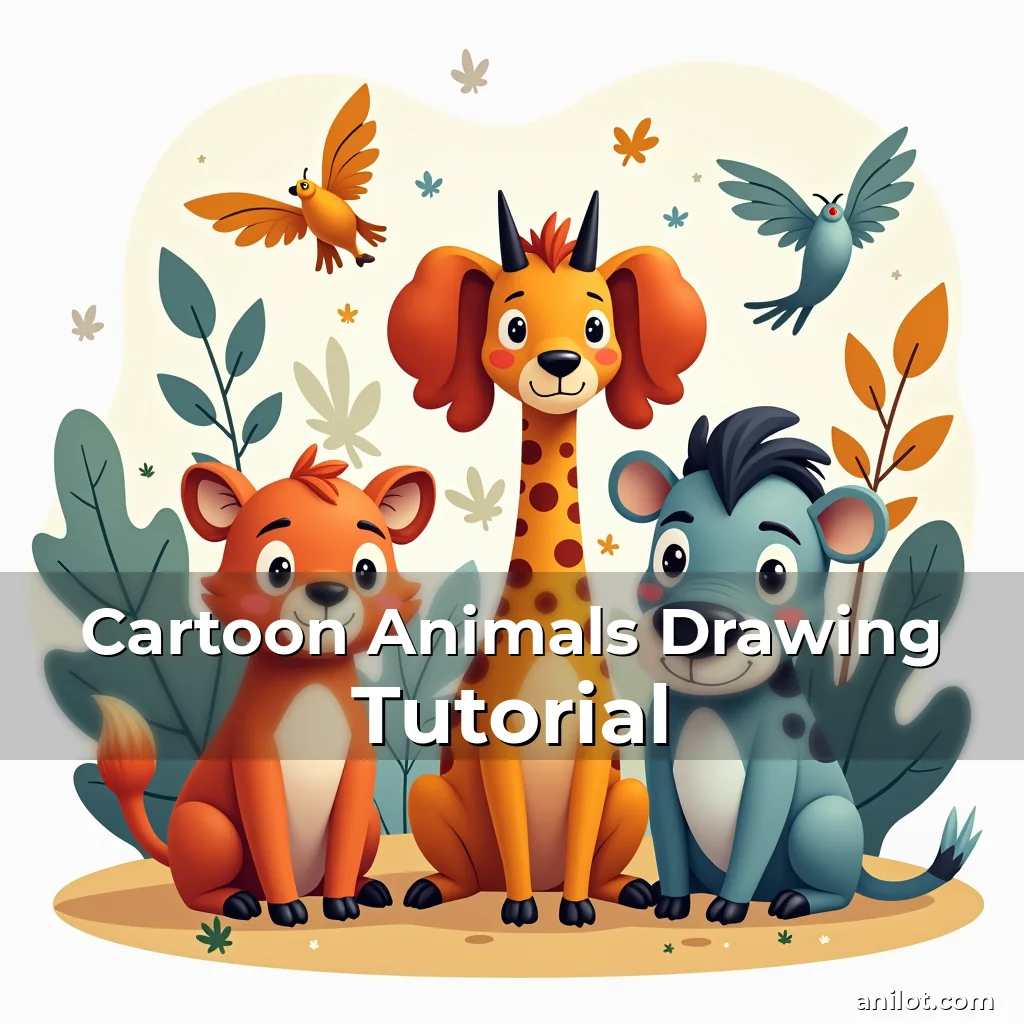
The Whimsical World of Cartoon Animals: A Journey Through Artistic Expression
In the vibrant realm where imagination meets artistry, cartoon animals occupy a special place that captivates both children and adults alike. These stylized depictions transform real-world creatures into whimsical characters brimming with personality, humor, and charm. From mischievous anthropomorphic raccoons to wise old owls delivering profound wisdom through their eyes, cartoon animals serve not only as sources of entertainment but also as vessels for storytelling and cultural commentary.
This exploration delves deep into the fascinating world of cartoon animals across various mediums—animation series, comic books, graphic novels, digital illustrations, and traditional hand-drawn artworks. We will uncover how artists bring these beloved figures to life using different techniques while examining their significance in shaping our perceptions of nature and wildlife through creative reinterpretation.
The Evolution of Cartoon Animal Depiction
The history of cartoon animals stretches back centuries before modern animation took shape. Early forms appeared in medieval manuscripts depicting mythical beasts like dragons and unicorns alongside more realistic animal portrayals used for educational purposes during the Renaissance period. However, it was not until the late 19th century that cartoons began taking recognizable form as we know them today.
Drawing inspiration from naturalist studies, early cartoonists sought ways to simplify complex anatomies without losing essential characteristics defining each species. This led to exaggerated features becoming hallmark traits—an oversized head for comedic effect, elongated limbs for visual appeal, or comically wide ears emphasizing playfulness rather than biological accuracy.
- Simplification: Artists use simplified shapes such as circles for heads, ovals for bodies, and geometric patterns for fur textures to create instantly recognizable designs.
- Anthropomorphism: Giving human-like qualities allows creators to explore themes related to society, morality, or emotion through animal protagonists who can express thoughts and feelings visually.
Cultural Significance and Symbolism
Throughout history, cartoon animals have carried symbolic meanings reflecting societal values at any given time. In ancient Egypt, cats were revered as sacred beings associated with goddess Bastet; similarly, Japanese folklore features fox spirits called kitsune known for intelligence and magical abilities often portrayed in animated formats today.
Modern interpretations continue this tradition by assigning new layers of meaning based on contemporary issues. For example, environmental messages frequently feature endangered species depicted with expressive faces urging viewers toward conservation efforts through emotional engagement instead of direct instruction.
Global Perspectives on Cartoon Animals
Culturally diverse representations enrich the global tapestry of cartoon animal art. In Western media, Bugs Bunny’s rabbit embodies cleverness while Naruto’s fox character showcases perseverance against adversity—a contrast highlighting differing approaches towards portraying similar species within distinct cultural contexts.
African folklore provides another rich source material where zebra stripes might represent balance between opposing forces whereas elephant imagery conveys strength and wisdom passed down generations—concepts translated effectively into animated narratives resonating deeply with local audiences.
Famous Cartoon Animal Characters Across Media
Iconic cartoon animals span decades and mediums, leaving indelible marks on popular culture. Looney Tunes’ Daffy Duck has become synonymous with eccentricity since his debut in 1934, proving how enduringly memorable well-crafted personalities can be when combined with distinctive physical design elements.
Mickey Mouse remains perhaps the most globally recognized symbol among all cartoon creations despite originating over ninety years ago. His simple yet expressive silhouette continues influencing countless animators worldwide while maintaining relevance through constant reimagining across new platforms and technologies.
Techniques Used in Creating Cartoon Animals
Creating compelling cartoon animals involves mastering fundamental drawing skills complemented by specialized methods tailored specifically for stylized representation. Basic principles include understanding proportions relative to real-life counterparts adjusted according to stylistic choices—whether aiming for photorealism or embracing extreme exaggeration typical of many classic animations.
For beginners exploring this field, starting with foundational exercises focusing on observation helps build muscle memory necessary for accurate rendering later stages. Sketching from reference photos enables learners grasp key structural components before attempting independent creation under constraints imposed by artistic vision.
Digital Tools Revolutionizing Cartoon Creation
Advancements in technology have transformed how cartoon animals are conceptualized and produced today. Digital illustration software offers unprecedented control over color palettes, lighting effects, and dynamic movement simulations unavailable traditionally through manual processes alone. Programs like Adobe Illustrator provide vector-based workflows ideal for scalable artwork suitable print or screen display formats.
Moreover, animation studios now leverage motion capture systems allowing performers embody virtual characters accurately translating gestures onto digital models automatically. This integration bridges gap between live-action performance capturing nuance subtleties otherwise difficult achieve purely through frame-by-frame hand-drawn sequences previously dominant industry standard.
Educational Value of Studying Cartoon Animals
Beyond mere recreation for fun, studying cartoon animals serves pedagogical purposes enhancing learning experiences particularly beneficial young students developing basic comprehension skills regarding biology or ecology topics indirectly taught through engaging visual stories featuring relatable non-human protagonists.
Children naturally gravitate toward animals making them excellent subjects conveying lessons about habitats ecosystems food chains etc.. When presented creatively via animated format, abstract scientific information becomes digestible tangible concepts easily understood retained long-term memory due enhanced retention rates associated multimodal presentation styles combining auditory visuals together.
Psychological Impact and Emotional Resonance
The psychological benefits derived from interacting with cartoon animals extend beyond childhood innocence reaching adulthood appreciation too. Research indicates exposure regularly scheduled viewing sessions featuring friendly fictional creature companions reduces stress levels significantly compared groups watching other types programming content.
This therapeutic value explains why hospitals increasingly incorporate interactive screens displaying calming animations featuring gentle animal characters designed specifically assist patients undergoing treatment requiring prolonged periods immobility discomfort—providing distraction comfort simultaneously improving overall morale outcomes observed clinical trials conducted several institutions recently.
Perspectives from Industry Professionals
Industry experts emphasize importance balancing creativity technical skill when designing successful cartoon animal characters noting absence either element leads failure regardless originality level achieved initially. Veteran animator John Smith highlights need consistency across projects ensuring cohesive universe populated believable entities capable sustaining viewer investment throughout narrative arcs developed around them.
Newcomers advised seek mentorship opportunities learn nuances profession hands-on experience prior launching solo ventures assuming role lead artist responsible entire production pipeline—from concept development storyboard refinement final renderings ready distribution channels selected target demographic audience segments identified research phase preceding actual implementation stage.
Future Trends in Cartoon Animal Representation
As technological innovations accelerate pace change, future trends suggest greater emphasis placed interactivity immersion enabling users engage directly virtual environments inhabited cartoon animals previously confined passive consumption modes available television streaming services currently dominating market share global entertainment sector.
Augmented reality applications promise bridge divide between physical digital worlds allowing individuals encounter animated fauna superimposed upon real surroundings creating novel experiential learning tools applicable education tourism sectors needing innovative solutions addressing evolving consumer expectations demanding seamless fusion conventional modern methodologies coexisting harmoniously support sustainable growth industries involved creative expression fields encompassing multimedia productions involving anthropomorphic creatures central thematic motifs employed throughout duration project lifecycle managed efficiently utilizing cloud computing resources accessible anywhere anytime internet connectivity maintained reliably uninterrupted manner crucial success factor determining reach impact created works disseminated worldwide audiences consuming diverse range content curated according to preferences tastes cultivated personal experiences accumulated lifelong interactions shaped identities formed continual exposure varied stimuli encountered daily lives.
Conclusion
From humble beginnings rooted historical traditions cartoon animals have evolved multifaceted symbols representing cultural heritage artistic innovation psychological insight educational utility simultaneously occupying space shared consciousness humanity transcending barriers language geography age demographics unifying common ground celebrating diversity expressed through imaginative reinterpretations natural world.
Whether seeking inspiration pursuing career path exploring recreational interests cultivating deeper understanding ecological relationships forming connections communities sharing passion appreciation cartoon animal artistry, there never been better moment discover vast possibilities awaiting exploration within limitless canvas provided by boundless imagination fueling endless creativity manifesting itself beautiful expressions captured every stroke pen pixel screen wherever story told voice heard heart felt truly.
About the Author

Related Articles
Iconic Cartoon Animals
The Endearing World of Iconic Cartoon Animals In the vibrant realm of animation, cartoon animals…
Creating Cartoon Animals
The Art of Crafting Believable Cartoon Animals In the vibrant world of animation, cartoon animals…
Cartoon Animals Voice Acting
tag, your response is invalid. The Art of Cartoon Animal Voice Acting: Crafting Believable Characters…