


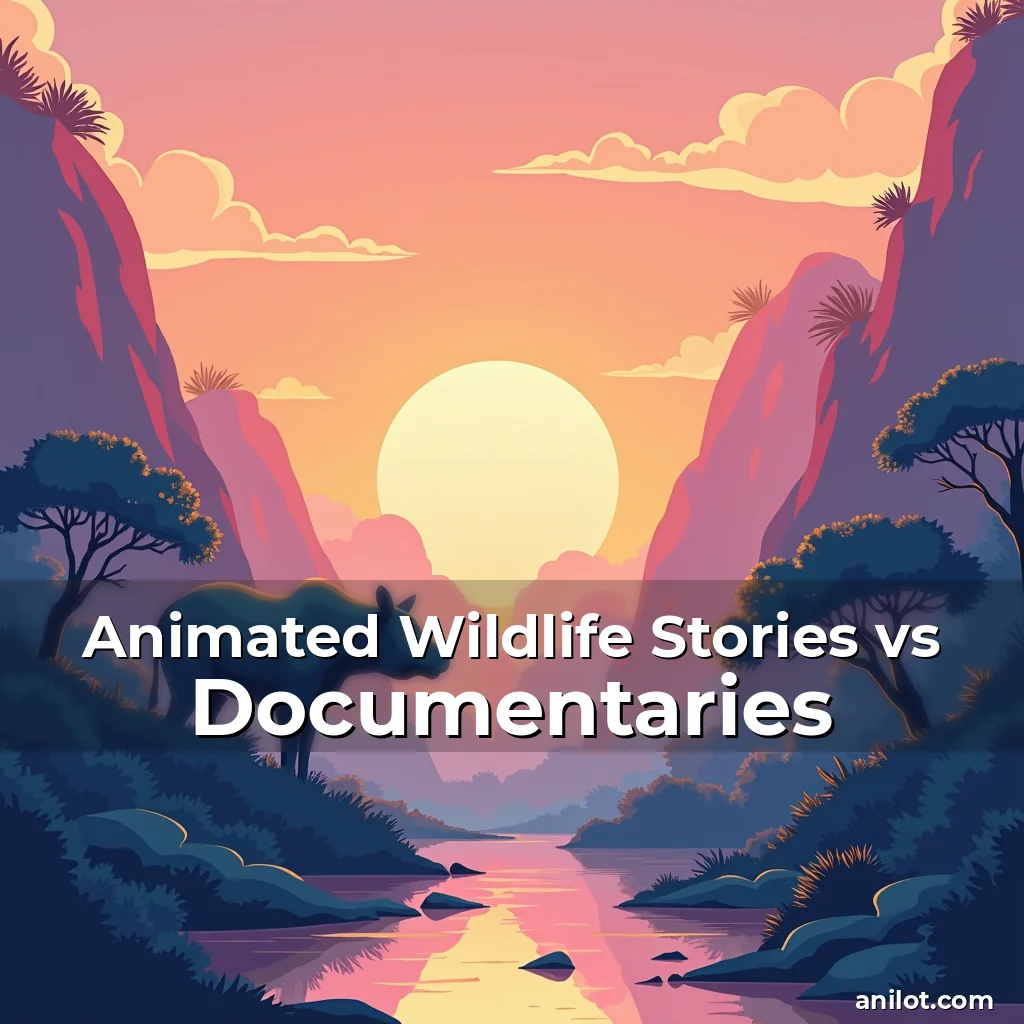
The Magic of Animated Wildlife Stories: Bridging Nature and Imagination
In a world where digital media shapes our perceptions, animated wildlife stories have emerged as a captivating way to explore the natural world. These narratives blend creativity with conservation messages, offering audiences a unique perspective that differs from traditional documentaries.
Why are these stories resonating so deeply with modern viewers? The answer lies in their ability to make complex ecological issues accessible through relatable characters and imaginative scenarios. This approach allows both children and adults to engage with environmental themes in ways that feel personal and impactful.
An Overview of Animated Wildlife Storytelling
Animated wildlife stories typically feature anthropomorphized animals living in stylized environments. While these tales may appear whimsical at first glance, they often carry profound messages about biodiversity, habitat preservation, and climate change.
The genre has evolved significantly over recent years, incorporating sophisticated animation techniques and nuanced storytelling approaches. Modern productions now use high-quality CGI alongside hand-drawn art styles to create visually stunning worlds that reflect real ecosystems.
These narratives frequently follow archetypal story structures while maintaining cultural relevance. Classic motifs such as journeys of self-discovery, overcoming adversity, and protecting one’s home remain central, but contemporary creators adapt them to address current environmental challenges.
One key advantage of this medium is its universality across age groups. Children enjoy the colorful visuals and playful interactions between animal characters, while adults appreciate the deeper philosophical questions about humanity’s relationship with nature.
- Cultural accessibility: By using familiar character archetypes, animated stories can convey important messages without requiring specialized knowledge about specific species or habitats.
- Emotional engagement: Viewers form stronger connections with cartoonish representations of wild animals compared to realistic depictions found in nature documentaries.
However, this format also presents certain limitations when depicting scientific accuracy. Exaggerated expressions and simplified behaviors might mislead some audiences about actual animal characteristics and survival strategies.
Making this trade-off worthwhile is the unparalleled ability of animation to inspire wonder and curiosity about the natural world. When done thoughtfully, these stories can spark lifelong interests in ecology and conservation efforts.
The Evolution of Animated Wildlife Narratives
From early hand-drawn animations to today’s cutting-edge motion capture technology, the evolution of this genre reflects broader advancements in entertainment production methods. Early pioneers experimented with simple stop-motion techniques to bring forest creatures to life in limited settings.
With technological progress came greater creative freedom. Directors began exploring more intricate plotlines that could maintain viewer interest across longer formats. This shift allowed for deeper exploration of environmental themes through serialized storytelling.
A pivotal moment occurred in the late 20th century with the emergence of computer-generated imagery (CGI). This breakthrough revolutionized how animators portrayed complex landscapes and created lifelike movements for non-human characters. Suddenly, entire ecosystems could be depicted with unprecedented detail and realism.
The rise of streaming platforms further transformed distribution patterns.
Despite these innovations, core principles remain unchanged: creating compelling stories that educate while entertaining. Successful productions continue to balance artistic expression with educational value in pursuit of meaningful audience impact.
Creating Authenticity Within Fantasy Frameworks
Animators face a constant challenge in crafting believable yet fantastical portrayals of wild creatures. They must walk a fine line between complete realism and creative license to maintain narrative coherence.
This balancing act involves careful research into animal behavior combined with stylistic choices that enhance storytelling effectiveness. For example, giving predators expressive eyebrows might help communicate their emotions during tense scenes while still retaining recognizable features.
Biodiversity representation plays a crucial role in authenticity. Including accurate depictions of various species’ physical traits helps reinforce learning outcomes even within fictional contexts. However, artists must consider whether depicting rare or endangered animals would contribute meaningfully to the storyline before making design decisions.
Sometimes simplification proves beneficial rather than detrimental. Abstracting certain biological processes can aid comprehension by eliminating unnecessary complexity while preserving essential information about ecosystem relationships.
A successful approach often involves integrating subtle educational elements naturally into action sequences. A chase scene between predator and prey becomes an opportunity to demonstrate hunting behaviors and adaptations relevant to those species.
Educational Value Through Entertainment
Animated wildlife stories serve as powerful teaching tools capable of reaching diverse demographics simultaneously. Their engaging format makes them particularly effective for younger learners who benefit from visual reinforcement of academic concepts.
By embedding factual information within entertaining plots, educators find these narratives invaluable for classroom instruction. Teachers can easily integrate episodes into curricula covering topics ranging from food chains to climate science.
Data shows that students exposed to animated educational programming retain information better than those relying solely on textbooks. The combination of auditory cues, dynamic visuals, and interactive elements creates multi-sensory learning experiences that promote long-term retention.
Moreover, these stories often incorporate problem-solving scenarios that encourage critical thinking skills. Characters facing environmental dilemmas provide excellent discussion prompts for analyzing potential solutions to real-world conservation challenges.
Pedagogically sound animated programs carefully structure story arcs to align with developmental stages appropriate for target age groups. Younger audiences receive simpler narratives focused on basic ecological relationships, while older viewers encounter more complex ethical debates regarding human-wildlife interactions.
The Role of Music and Sound Design in Immersion
Music and sound effects play indispensable roles in enhancing the emotional resonance of animated wildlife stories. Carefully composed scores guide audience interpretations of events unfolding on screen.
Environmental soundscape creation requires meticulous attention to detail. From rustling leaves to distant thunderclaps, every audio element contributes to building immersive worlds that feel authentic despite their fantastical elements.
Variations in musical tempo and instrumentation reflect changes in narrative pacing. Action sequences employ fast-paced, energetic compositions while reflective moments utilize slower melodies to emphasize thematic depth.
Sound designers also manipulate sonic textures to differentiate between locations. Jungle scenes include dense layers of overlapping noises, whereas desert environments rely on sparse, echoing tones to evoke vast open spaces.
These auditory elements work synergistically with visual components to create cohesive sensory experiences that deepen audience engagement with each episode’s message.
Fostering Environmental Awareness Across Cultures
Animated wildlife stories hold special significance in promoting cross-cultural understanding of environmental issues. They transcend linguistic barriers through universally appealing visual language and shared emotional responses.
Certain storytelling traditions contain universal moral lessons about respect for nature that resonate globally. Animators draw upon these timeless themes to craft narratives that connect with audiences regardless of geographic origin or cultural background.
International collaborations allow diverse perspectives to shape production values. Different countries contribute unique artistic influences that enrich storytelling while maintaining common goals related to conservation education.
Language localization efforts ensure accessibility for non-native speakers. Dubbing teams carefully preserve the essence of original dialogue while adapting expressions to suit regional idioms and speech patterns.
Such inclusivity strengthens the platform’s role as a bridge between cultures, fostering collective responsibility toward planetary health through shared cinematic experiences.
Future Directions and Technological Advancements
Ongoing developments in animation technology promise exciting new possibilities for future projects. Emerging virtual reality capabilities offer transformative opportunities for experiential learning about ecosystems.
Artificial intelligence is beginning to influence scriptwriting and character development processes. Predictive algorithms analyze extensive datasets to suggest narrative paths most likely to engage target audiences effectively.
Interactive storytelling models enable viewers to participate actively in shaping plot outcomes based on individual choices. This level of interactivity fosters deeper investment in the environmental messages being conveyed.
Augmented reality applications provide innovative ways to blend digital content with real-world environments. Users can observe animated creatures interacting with actual plant life, creating hybrid educational experiences that enhance understanding of ecological systems.
As these technologies mature, we anticipate significant shifts in how animated wildlife stories will be experienced, consumed, and integrated into formal educational frameworks.
Conclusion
Animated wildlife stories occupy a unique space in the intersection of entertainment and education. Their capacity to entertain while informing sets them apart from conventional documentary formats that prioritize factual presentation over narrative engagement.
Creators continually refine their approaches to achieve optimal balance between artistic vision and educational objectives. Ongoing innovation ensures that this medium remains relevant as new generations develop increasing awareness of global environmental challenges.


news is a contributor at AniLot.com. We are committed to providing well-researched, accurate, and valuable content to our readers.
You May Also Like

Creating Animated Animals
The Art of Bringing Creatures to Life Through Animation Animated animals have long captivated audiences across cultures and generations. From...

Comedy Animal Animation Films
Whiskers & Witty Whimsy: Exploring the World of Comedy Animal Animation Films The world of comedy animal animation films is...
Funny Animal Videos TikTok
Funny Animal Videos TikTok In today’s fast-paced digital world, funny animal videos have become a global phenomenon, captivating millions of...
Animal Characters Cultural Impact
Animal Characters: Their Enduring Influence Across Cultures and Media From ancient mythologies to contemporary animations, animal characters have occupied a...