
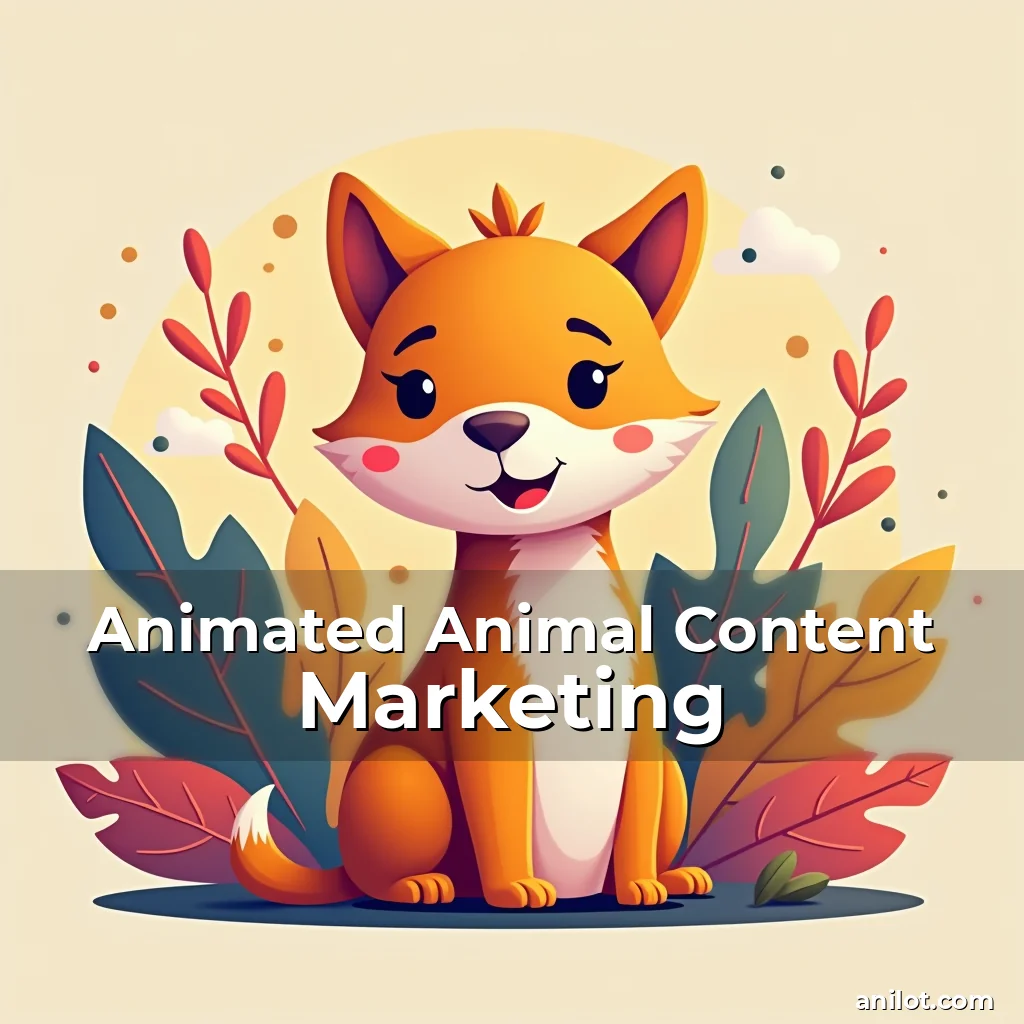
The Endless Appeal of Animated Animal Characters in Modern Media
In an era dominated by digital storytelling, animated animal characters have become cultural touchstones that transcend age and geography. From lovable anthropomorphic creatures in classic cartoons to hyper-realistic CGI beasts in blockbuster films, these portrayals continue to captivate audiences worldwide.
This phenomenon has given rise to a thriving niche market known as animated animal content marketing. This specialized field leverages our innate fascination with animals through creative animation techniques to deliver compelling narratives across various platforms.
Evolution of Animated Animals Through Technological Advancements
The journey from hand-drawn celluloid animations to photorealistic computer-generated imagery has revolutionized how we perceive animated animals. Early pioneers like Walt Disney’s “The Jungle Book” laid foundational techniques that would evolve over decades.
Advancements in motion capture technology during the 2000s allowed filmmakers to create lifelike movements previously unimaginable. Films such as Pixar’s “Finding Nemo” showcased groundbreaking underwater physics simulations applied to fish animation.
Digital sculpting tools now enable artists to meticulously design fur textures at microscopic levels. These innovations have made animated animals indistinguishable from their real-world counterparts in many cases.
Artificial intelligence is beginning to play a role in animation workflows, streamlining tasks like crowd simulation and behavior pattern generation for animal characters.
- Celluloid era: Limited expressions due to physical constraints of drawing frames manually
- CGI breakthroughs: Enabled complex interactions between animated animals and environments
- Current state: Real-time rendering capabilities allow instant previews of animal character designs
Cultural Significance of Animated Animal Narratives
Animals have long served as metaphors for human experiences in storytelling traditions around the world. Ancient fables used anthropomorphized creatures to convey moral lessons in accessible ways.
Modern animated features often explore themes of environmental conservation through animal-centric plots. Documentaries like “My Octopus Teacher” demonstrate how emotional connections to animals can drive powerful messages.
These narratives resonate deeply because they tap into primal instincts while offering escapism. Audiences relate to both the familiar traits of animals and the exaggerated characteristics赋予 to them in stories.
Studies show viewers retain information better when presented through animal-based analogies, making this format particularly effective for educational content delivery.
The Psychology Behind Our Connection With Animated Animals
Neuroscientific research reveals mirror neuron activity increases when watching animated animals perform actions. This biological response enhances empathy towards non-human characters.
Child development experts note that young children form stronger attachments to animated animals than live-action depictions. The stylized nature makes abstract concepts easier to grasp.
A 2022 study published in Nature found that viewers reported higher emotional engagement with animated animal protagonists compared to human characters in similar scenarios.
This psychological advantage positions animated animals as ideal vehicles for conveying complex emotions and social dynamics in entertainment formats.
Business Applications of Animated Animal Content
Marketers increasingly recognize the power of animated animal mascots to build brand affinity. Companies use these characters to represent core values in memorable ways.
Fast food chains employ cartoon animals to appeal to younger demographics without compromising family-friendly branding standards. McDonald’s Happy Meal toys exemplify this strategy effectively.
Educational institutions leverage animated animal avatars to teach subjects ranging from biology to mathematics. Interactive learning platforms find these characters enhance student participation rates.
Non-profit organizations use animated animal campaigns to raise awareness about endangered species. Conservation groups have seen increased donations following viral animal-focused video campaigns.
- Pet product companies: Develop entire product lines based on beloved animal characters
- Gamers: Design virtual pets with customizable features for interactive experiences
- Streaming services: Curate channels dedicated to animated wildlife documentaries and series
Creating Compelling Animated Animal Content
Successful animated animal projects begin with thorough research about real animal behaviors. Animators must understand movement patterns before exaggerating them creatively.
Voice actors play crucial roles in bringing these characters to life. Expressive vocal performances add depth to otherwise visual storytelling elements.
Storyboarding helps visualize complex scenes involving multiple animal characters interacting naturally within environments. This process ensures logical flow and coherence.
Special attention must be paid to anatomy accuracy even when creating fantastical creatures. Biological plausibility maintains audience immersion despite fictional elements.
- Movement studies: Analyze footage of actual animals to replicate realistic motions accurately
- Sound design: Incorporate authentic animal noises modified to fit narrative requirements
- Fur simulation: Develop advanced algorithms to render different coat types realistically
Distribution Channels for Animated Animal Content
Traditional television networks still play significant roles in broadcasting animated animal programming, especially among older demographic groups.
Streaming platforms have transformed content consumption habits, allowing personalized recommendations tailored to individual viewing preferences.
Social media offers unprecedented opportunities for organic reach, with viral moments able to generate massive exposure overnight.
User-generated content featuring animated animals thrives on platforms like TikTok and YouTube, fostering engaged communities around shared interests.
- TV broadcasts: Maintain relevance through scheduled time slots and commercial partnerships
- Online streaming: Enable global access to diverse animated animal productions simultaneously
- Social networking sites: Facilitate direct interaction between creators and fans through comments and shares
Ethical Considerations in Animated Animal Production
While animated animals offer creative freedom, ethical concerns arise regarding potential misrepresentation of real animal species.
Producers must ensure accurate portrayal of animal behaviors to avoid promoting harmful misconceptions. Misinformation could impact public perception of wildlife conservation efforts.
Celebrity endorsements involving animals require careful consideration of welfare implications. Contractual obligations may conflict with genuine animal care priorities.
Animal rights advocates emphasize the importance of distinguishing clear boundaries between artistic license and factual representation in animated works.
- Biodiversity education: Can promote appreciation for natural ecosystems when done responsibly
- Potential misinformation: Incorrectly depicted hunting behaviors might normalize unethical practices
- Conservation messaging: Effective only when supported by verified scientific data and expert consultation
FUTURE TRENDS IN ANIMATED ANIMAL CONTENT CREATION
Rapid technological developments promise exciting transformations in animated animal production methods. Virtual reality integration allows immersive experiences with digital wildlife.
Augmented reality applications are enabling new forms of interactive storytelling where users engage directly with animated animal characters in real spaces.
AI-driven procedural animation systems will likely automate repetitive tasks currently performed manually by animators.
Collaborative creation platforms empower fans to contribute ideas and modifications to ongoing animated animal projects.
- Immersive technologies: Enhance viewer engagement through multi-sensory experiences
- Interactive content: Encourage active participation rather than passive observation
- Community involvement: Foster deeper connection between creators and consumers of animated animal content
Conclusion
The enduring popularity of animated animal content reflects our deep-seated affection for the animal kingdom combined with the limitless possibilities of digital creativity.
As technology continues evolving, the future promises even more innovative ways to experience these captivating representations of wildlife through animated mediums.
For marketers, educators, and storytellers alike, understanding this dynamic landscape presents tremendous opportunities to connect with audiences globally through the universal language of animated animals.
About the Author

Related Articles
Animated Animal Content for YouTube
The Art of Animated Animal Content Creation: A Deep Dive into Crafting Engaging Wildlife Animations…
Animated Animal Content Monetization
Animated Animal Content Monetization Strategies for Creators In today’s digital landscape, animated animal content has…
Mastering Animated Animal Content for Better Results
Whiskers & Pixels: Exploring the World of Animated Animal Content Through the Eyes of the…