
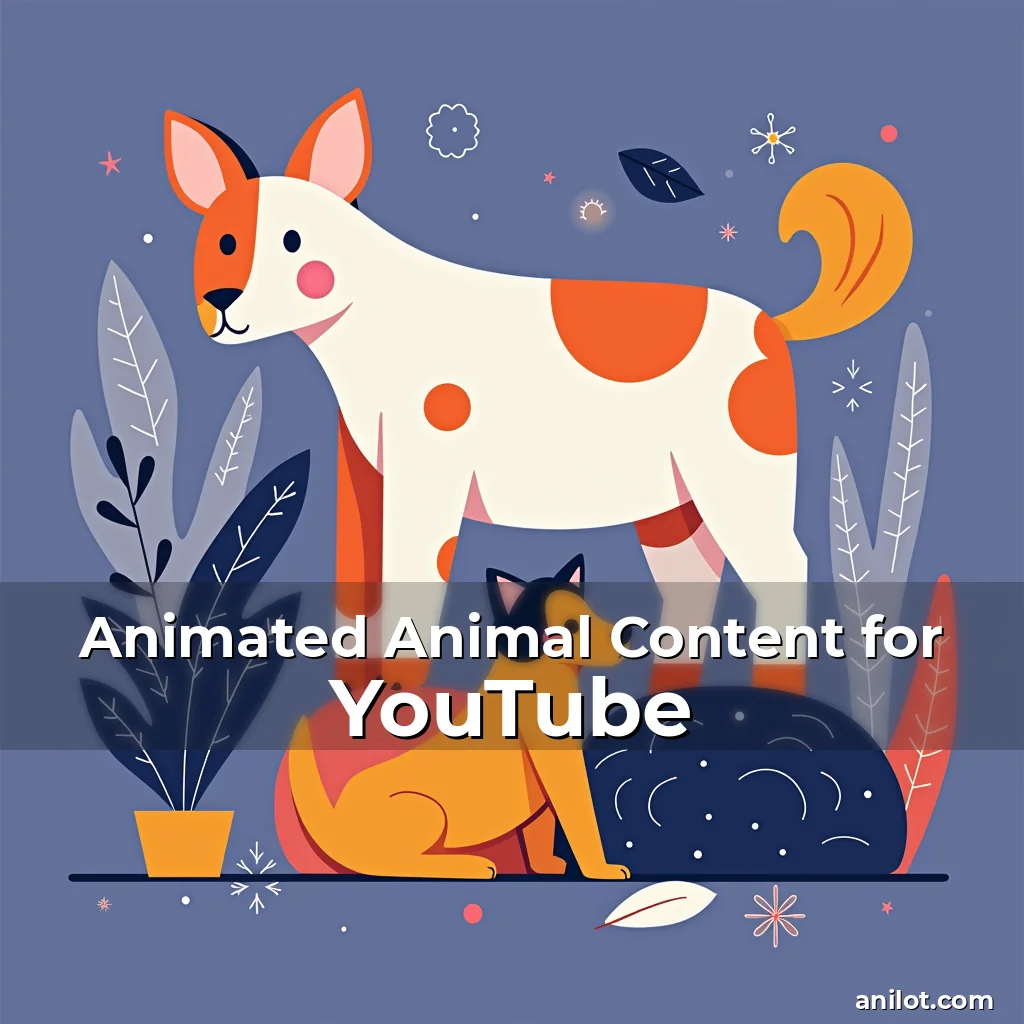
The Art of Animated Animal Content Creation: A Deep Dive into Crafting Engaging Wildlife Animations
In the vibrant world of digital media, animated animal content has emerged as a powerful storytelling medium that captivates audiences across all ages. This specialized niche blends artistic expression with technological innovation to bring our planet’s most fascinating creatures to life through motion pictures.
Animated animals have transcended traditional children’s entertainment, finding their place in educational documentaries, scientific visualization projects, and even corporate branding initiatives. Their versatility allows creators to explore both whimsical fantasy worlds and scientifically accurate portrayals of wildlife behavior.
The Evolution of Animated Animals Through Technological Advancements
The journey of animated animal creation dates back to the early days of animation when hand-drawn techniques first brought anthropomorphic animals to screens. These pioneers used simple line drawings and limited color palettes to convey basic emotions and movements.
With each technological leap from cel animation to computer-generated imagery (CGI), the complexity and realism of animated animals have dramatically increased. The transition from two-dimensional paper cutouts to three-dimensional digital models marked a pivotal moment in the industry’s history.
Modern studios employ sophisticated software tools such as Maya, Blender, and ZBrush to create hyper-realistic fur textures and lifelike muscle movements. These technologies allow artists to simulate natural behaviors down to the subtlest expressions.
Recent developments in motion capture technology have further enhanced the authenticity of animated animals by capturing real-life performances from trained animators or actual animals themselves.
- Fur Simulation: Advanced algorithms replicate individual hair strands for realistic movement patterns during various actions
- Motion Capture Integration: Combines live-action footage with digital rendering to achieve unparalleled accuracy
- Biomechanics Modeling: Uses anatomical data to ensure correct gait patterns and physical limitations are respected
Creative Approaches to Storytelling with Animated Creatures
When crafting narratives featuring animated animals, creators must balance entertainment value with educational potential. This duality opens up numerous creative avenues while maintaining audience engagement through compelling stories.
The choice between anthropomorphizing animals or presenting them realistically depends largely on the intended message and target demographic. Children’s programming often leans towards personified characters who can communicate verbally and experience human-like situations.
Educational content benefits greatly from scientifically accurate portrayals that maintain species-specific characteristics without adding fictional traits. Such approaches help viewers develop authentic understanding of different ecosystems.
Hybrid approaches combine elements of both styles, allowing storytellers to present factual information within entertaining frameworks that make learning enjoyable for all age groups.
Production Pipeline Essentials for Animated Animal Projects
A successful animated animal project requires careful coordination across several stages, beginning with concept development and ending with post-production enhancements. Each phase contributes uniquely to the final visual quality and narrative impact.
The pre-production stage involves extensive research about the chosen species’ habitats, behavioral patterns, and biological features. This foundational knowledge ensures credibility whether creating fantasy creatures or replicating real-world animals.
Detailed storyboarding helps visualize how different sequences will unfold, particularly important when depicting complex interactions between multiple animated characters. It also assists in identifying technical challenges before they become production obstacles.
Character design is especially crucial for animated animals due to the need for expressive features that facilitate clear communication of emotions and intentions.
The Role of Reference Materials in Creating Authentic Animal Characters
Professional animators rely heavily on reference materials including photographs, video footage, and field studies to accurately depict animal anatomy and movement patterns. These resources provide essential benchmarks for achieving visual fidelity.
Studies show that animators spending over 20 hours researching their subject matter produce significantly more convincing results than those relying solely on existing animations. Real-world observations help avoid common misconceptions about animal physiology.
For mythical or fantastical creatures, researchers consult comparative anatomy texts and evolutionary biology principles to construct plausible designs based on real-world analogs. This approach maintains believability even when creating entirely new species.
Accurate portrayal of locomotion mechanics remains one of the greatest challenges in animated animal creation. Proper weight distribution, joint articulation, and surface interaction must be carefully studied to prevent unrealistic representations.
Trends Shaping the Future of Animated Animal Content
The landscape of animated animal content continues evolving rapidly under the influence of emerging technologies and shifting viewer expectations. Creators must stay attuned to these changes to remain competitive in the market.
Interactive experiences represent a significant growth area where audiences can engage directly with animated animals through virtual reality platforms and augmented reality applications. This interactivity enhances immersion and deepens emotional connections.
Sustainability themes are becoming increasingly prominent, reflecting global environmental concerns through narratives focused on conservation efforts and habitat preservation. Audiences crave content that aligns with their values regarding ecological responsibility.
The rise of streaming services has changed consumption patterns, prompting creators to adapt formats to fit binge-watching tendencies while maintaining episodic structures that encourage regular viewing habits.
Challenges Faced by Artists Working With Animated Animals
Creating believable animated animals presents unique difficulties related to biomechanical accuracy, facial expressiveness, and cultural perceptions. Overcoming these hurdles requires both technical skill and creative problem-solving.
Lack of facial musculature in many animal species poses particular challenges for conveying nuanced emotions. Artists must devise alternative methods to express feelings through body language and contextual cues.
Varying audience expectations complicate matters further, as what constitutes’realistic’ differs significantly between young children and adult viewers familiar with animal behavior.
Cultural sensitivities surrounding certain species add another layer of complexity, requiring careful consideration of symbolic meanings associated with different animals in various societies.
Bridging Education and Entertainment Through Animated Animal Media
Animated animals serve dual purposes as both captivating entertainment and effective teaching tools capable of transmitting complex information in accessible ways. This inherent flexibility makes them invaluable assets in modern education systems.
Scientific documentaries benefit immensely from animated depictions that can illustrate microscopic processes or reconstruct ancient environments impossible to observe directly. Time-lapse animations help explain developmental stages that occur too slowly for direct observation.
Kids’ programming successfully integrates factual information within adventurous narratives, making science education feel less like studying textbook material and more like participating in exciting adventures.
Educational game developers utilize interactive animated animals to teach vocabulary, mathematical concepts, and social skills in engaging formats suitable for diverse learning needs.
Monetization Strategies for Animated Animal Content Creators
Content creators working with animated animals have access to various revenue streams beyond traditional advertising models. Understanding these options helps maximize financial returns while maintaining creative integrity.
Subscription-based platforms offer steady income through exclusive content offerings, fostering loyal communities around specific animal-themed series or educational programs.
Merchandising opportunities extend far beyond typical toys and apparel, encompassing customizable digital products, NFT collectibles, and branded educational kits tailored to different learning levels.
Collaborative ventures with zoos, aquariums, and conservation organizations open doors to sponsored content that supports vital research and protection initiatives.
Branded content partnerships enable creators to integrate product placements seamlessly within narratives while supporting sustainable practices aligned with nature-focused messaging.
The Importance of Ethical Considerations in Animated Animal Production
While animated animals provide endless creative possibilities, responsible creators must consider ethical implications related to representation, cultural sensitivity, and conservation awareness. Thoughtful execution elevates the medium’s potential impact positively.
Purposefully misleading portrayals of wild animals could foster incorrect understandings about species capabilities or behaviors. Accurate depictions promote better appreciation for biodiversity rather than reinforcing stereotypes.
Respecting indigenous beliefs and traditions involving specific animals prevents unintentional cultural appropriation while honoring traditional ecological knowledge systems.
Supporting conservation causes through profits or collaborations reinforces the positive role animated content can play in raising environmental awareness among global audiences.
Building Community Around Animated Animal Enthusiasts
Cultivating active communities centered around animated animal content enriches the overall ecosystem by encouraging shared learning experiences, collaborative creativity, and mutual support among enthusiasts.
Online forums and dedicated fan groups provide spaces for discussing favorite productions, sharing behind-the-scenes insights, and debating technical aspects of character design and animation techniques.
Workshops and conventions bring together professionals and fans alike, facilitating mentorship relationships, skill-sharing sessions, and showcasing innovative approaches to animated animal storytelling.
These communities contribute to the broader cultural dialogue about humanity’s relationship with the natural world, helping shape future directions for the genre creatively and responsibly.
Conclusion
The realm of animated animal content offers boundless opportunities for creative exploration at the intersection of artistry, technology, and education. As we’ve explored, its evolution reflects ongoing advancements in digital media while maintaining fundamental storytelling principles.
Whether pursuing careers in animation or simply appreciating this unique form of expression, staying informed about current trends and best practices empowers everyone to engage meaningfully with this dynamic medium that bridges the gap between imagination and reality.
About the Author

Related Articles
Mastering Animated Animal Content for Better Results
Whiskers & Pixels: Exploring the World of Animated Animal Content Through the Eyes of the…
Creating Animated Animal Content
The Enchantment of Animated Animal Content: A Journey Through Creativity and Connection In an era…
Animated Animal Content Studios
The Enchanting World of Animated Animal Content Creation Animated animal content has become a vibrant…