
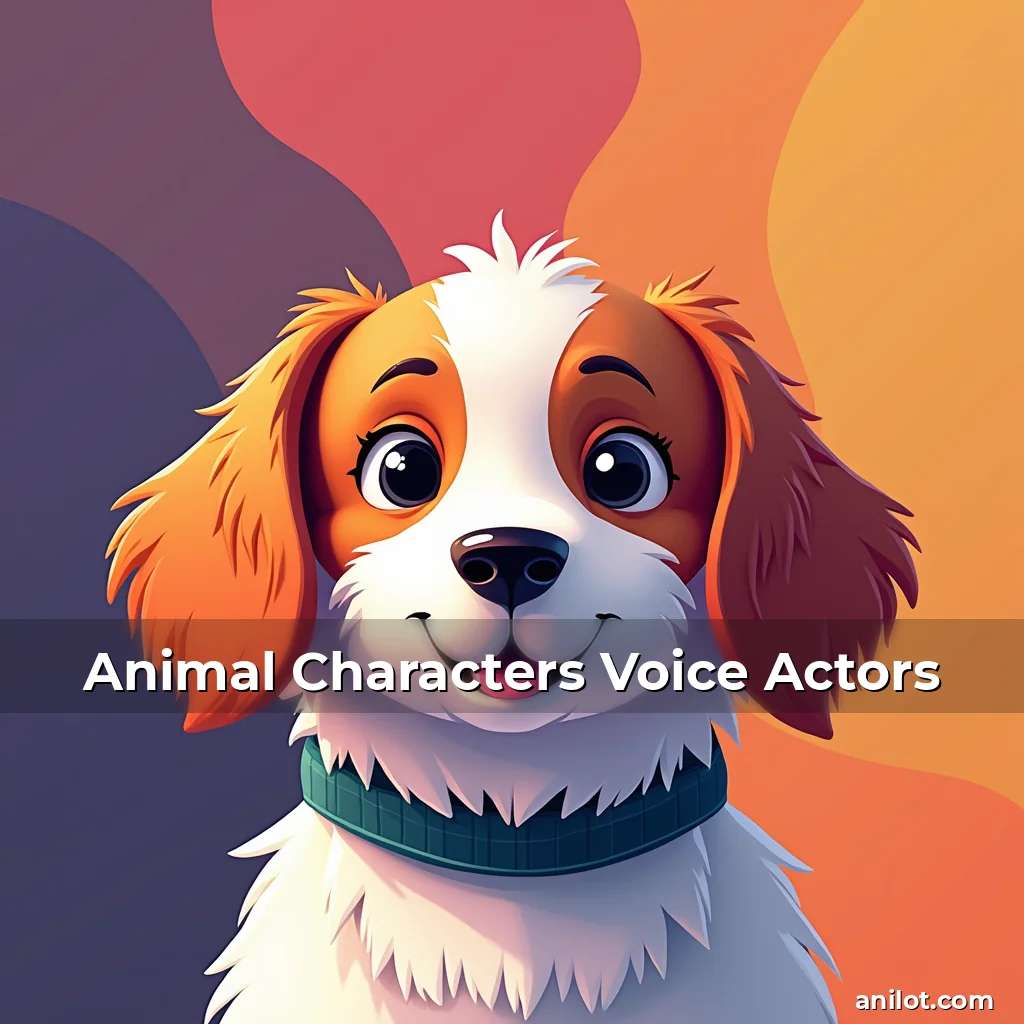
The Enchanting World of Animal Character Voice Acting: A Journey Through Sound and Storytelling
In the vibrant realm of animation and storytelling, animal characters have long captivated audiences with their charm, wit, and often unexpected depth. These anthropomorphic creations are brought to life through the artistry of voice actors, whose performances add layers of emotion and personality that define these beloved figures.
Voice acting is not merely about mimicking sounds; it’s a nuanced craft where tone, pitch, rhythm, and timing converge to create compelling narratives. This intricate process transforms simple drawings into fully realized beings, allowing viewers to connect emotionally with creatures both familiar and fantastical.
The Evolution of Animal Character Voice Acting
The history of animal character voice acting dates back to early radio dramas and theatrical productions, where performers used exaggerated vocal techniques to differentiate between species. As technology advanced, so too did the possibilities for creating richly textured audio experiences.
The transition from live performance to recorded media marked a significant turning point. Studios could now experiment extensively with different voices before finalizing choices, leading to greater creative freedom in casting decisions.
Pioneers such as Mel Blanc and June Foray laid foundational groundwork during television’s golden age. Their work established benchmarks for expressive range within limited technical capabilities.
- Mel Blanc: Known as The Man of a Thousand Voices, he voiced iconic characters including Bugs Bunny and Daffy Duck, setting standards for comedic timing and vocal versatility.
- June Foray: Her distinctive style brought sophistication to animated animals, notably Witch Hazel in “Honey, I Shrunk the Kids,” demonstrating how voice can convey complex emotions even without physical expression.
Digital recording technologies revolutionized the industry by enabling precise editing and layering of sound effects. Modern studios can now blend human vocals seamlessly with synthesized elements to achieve unparalleled realism in creature communication.
The rise of CGI-animated films has further expanded opportunities for voice artists. Performances can be recorded independently of visual production schedules, allowing for more iterative refinement of character development.
Mastering the Craft: Skills Required for Animal Voice Actoring
Becoming proficient in animal character voice acting requires developing a diverse vocal palette capable of conveying distinct personalities across various species. Voice actors must train extensively to access ranges beyond normal speech patterns.
Tone modulation is particularly crucial when depicting non-human characters. Subtle shifts in pitch and resonance help distinguish between different types of animals while maintaining believability.
Emotional articulation presents another challenge. Expressing joy, anger, fear, or curiosity through animalistic expressions demands creativity in translating human emotional cues into appropriate vocalizations.
Physicality plays an essential role in shaping believable animal performances. Even though there are no actual movements involved, imagining bodily gestures influences vocal delivery significantly.
Improvisation skills are vital when working with directors who may request spontaneous interactions between characters. Flexibility allows for organic dialogue exchanges that enhance narrative flow naturally.
Linguistic adaptation becomes necessary when voicing multilingual animal characters. Understanding cultural nuances helps ensure accurate representation regardless of language barriers.
Training Programs and Workshops
Serious aspiring voice actors often pursue formal training through specialized programs at institutions like the American Academy of Dramatic Arts or the Vancouver Film School. These curricula emphasize technique-specific instruction tailored toward character-driven performances.
Workshops focusing specifically on animal voice acting provide hands-on experience with microphones, sound booths, and script analysis tools relevant to the field. Participants learn to differentiate between realistic versus stylized interpretations based on project needs.
Industry professionals frequently conduct masterclasses covering everything from breath control exercises to microphone placement strategies. Such sessions offer invaluable insight into studio workflows and expectations.
Online platforms now host virtual workshops accessible globally, democratizing entry points into this niche yet rewarding profession. Interactive software simulations allow learners to practice vocal techniques remotely before auditioning professionally.
Famous Animal Characters and Their Voice Actors
Many of today’s most recognizable animal characters owe their success to skilled voice actors who’ve become synonymous with those roles. These individuals bring unique flair and consistency to their portrayals over extended periods.
Don Rickles’ portrayal of Mr. Magoo exemplified how humor could be effectively channeled through caricatured animal traits. His raspy delivery became instantly identifiable to generations of fans.
Robin Williams famously provided the voice for Genie in Disney’s Aladdin, showcasing his ability to switch effortlessly between multiple personas within a single performance. His energetic interpretation helped elevate the character beyond mere magical helper status.
Voices like James Earl Jones, who lent gravitas to Mufasa in The Lion King, demonstrate how powerful vocal presence can transform mythical beasts into unforgettable icons.
Kathleen Turner’s work as Miss Piggy in The Muppets highlights how strong female leads can emerge successfully through well-crafted animal characterization. Her assertive delivery challenged traditional gender norms subtly but effectively.
Cat Deeley’s rendition of Tigger from Winnie the Pooh captured youthful exuberance perfectly, making her one of few female voice actors achieving lasting fame through animal roles.
- Jim Carrey: His manic energy defined the Grinch, proving that eccentricity works wonders when properly directed towards endearing rather than annoying effect.
- Jennifer Hale: Consistently delivers stellar performances across numerous franchises, showing remarkable adaptability from alien races to talking animals alike.
Some actors find themselves associated permanently with particular animal archetypes. John Lithgow’s Oscar the Grouch epitomizes grumpy old man tropes through meticulously crafted sarcasm delivered with impeccable timing.
Newcomers continue entering the scene annually, bringing fresh perspectives that enrich contemporary animations with novel approaches worthy of attention. Diversity among voice talents ensures continued evolution within the medium itself.
The Impact of Technology on Animal Voice Acting
Advancements in digital audio processing have dramatically changed how animal voices are created and refined. Software now enables minute adjustments to timbre, pitch, and resonance that were previously impossible using analog equipment alone.
Artificial intelligence applications increasingly assist in generating baseline recordings which voice actors then build upon creatively. This hybrid approach speeds up pre-production phases considerably.
Virtual reality environments allow animators and voice actors to interact collaboratively in real-time spaces, enhancing synchronization accuracy between spoken lines and corresponding actions.
Cloud-based collaboration tools facilitate remote recording sessions, expanding geographic reach for both talent pools and production teams seeking optimal matches between performer styles and character requirements.
Data analytics track audience engagement metrics related to specific vocal characteristics, helping producers make informed decisions regarding future casting choices aimed at maximizing viewer connection.
Behind-the-Scenes Processes in Animal Voice Acting Projects
Creating a successful animal character involves meticulous preparation involving extensive research about biological behaviors combined with artistic interpretation suited for entertainment purposes.
Script analysis forms the foundation of any good performance. Understanding context clues helps determine appropriate levels of formality, intensity, or playfulness required for each line delivery.
Character profiling documents key traits influencing vocalization style preferences ranging from high-pitched squeaks to deep rumbling tones depending on intended persona.
Studio rehearsals serve dual functions: refining technical aspects like diction clarity while also building rapport amongst cast members fostering authentic chemistry during recording sessions.
Directional guidance varies widely between projects necessitating flexibility from performers adapting quickly according to stylistic mandates imposed by individual showrunners or film directors.
Post-recording editing processes involve fine-tuning performances ensuring seamless integration with accompanying visuals without compromising original intent behind each vocal choice made initially.
Ethical Considerations in Animal Character Portrayal
As creators explore new frontiers in representing wildlife through fictionalized lenses, ethical questions arise concerning responsible depiction practices honoring natural behaviors without perpetuating misconceptions.
Accurate representation benefits educational outreach efforts aiming to foster appreciation for biodiversity while simultaneously entertaining broader demographics outside scientific communities.
Risk exists however in oversimplifying complex ecological relationships reducing multifaceted realities down to easily digestible stereotypes potentially misleading younger audiences unfamiliar with nuance.
Producers bear responsibility ensuring storylines avoid reinforcing harmful stigmas against certain species commonly portrayed negatively through aggressive or destructive behaviors attributed erroneously in popular culture.
Collaborating with conservationists offers valuable perspective guiding narrative choices promoting positive messaging aligned with current environmental awareness campaigns being waged worldwide today.
The Future of Animal Character Voice Acting
Ongoing innovations promise exciting developments reshaping conventional understandings about what constitutes effective animal character presentation methods moving forward.
Immersive audio technologies will likely enable more sophisticated spatial awareness features enhancing three-dimensionality of heard conversations mirroring visual depth perceived visually.
AI-generated synthetic voices might eventually supplement rather than replace human performers providing additional options for background chatter or less critical scenes freeing up principal casts for higher priority tasks.
Global streaming services demand localized versions requiring adaptable performers capable shifting accents and linguistic structures fluidly without losing core essence defining respective characters originally conceived internationally.
Emerging platforms present unprecedented opportunities reaching wider audiences embracing multicultural narratives celebrating diversity through inclusive representation featuring myriad animal embodiments reflecting varied traditions around world.
Continued investment in education initiatives ensures next generation practitioners receive rigorous training equipping them handle evolving challenges posed by rapidly changing technological landscapes affecting entire industries reliant heavily on auditory components delivering stories across mediums varying greatly from classic cinema formats pioneered decades ago.
Conclusion
The art of animal character voice acting remains an integral component contributing substantially toward crafting memorable cinematic experiences cherished universally irrespective of age demographic divisions typically observed within entertainment sectors generally speaking.
By appreciating the dedication invested behind every audible moment shared between screen and spectator, we gain deeper understanding respecting contributions made possible solely due diligence applied consistently throughout entire production cycles spanning years sometimes longer depending complexity scale involved.
“`
About the Author

Related Articles
Animal Characters Merchandising
The Enchanting World of Animal Character Merchandise: A Collector’s Journey Through History and Culture In…
Iconic Animal Characters Disney
Iconic Animal Characters Disney The world of animation has long been enriched by the presence…
Creating Original Animal Characters
Creating Original Animal Character Designs for Storytelling and Artistic Expression In today’s creative landscape, animal…