


The Art of Educational Animal Animation: Bridging Learning and Engagement Through Visual Storytelling
In today’s digital age, education is evolving rapidly, blending traditional methods with innovative technologies. One such innovation that has captured the attention of educators and learners alike is educational animal animation. This dynamic form of media not only entertains but also imparts knowledge through visually appealing narratives involving animals.
Educational animal animation serves as a powerful tool for teaching complex subjects in a digestible format. By leveraging the natural curiosity children have towards animals, these animations make learning both fun and effective, transforming classrooms into vibrant environments where students can explore various topics while being captivated by animated creatures.
The Evolution of Educational Animal Animation
The roots of educational animal animation trace back to early 20th-century cartoons designed primarily for entertainment rather than instruction. However, over time, creators recognized the potential of using animals to convey lessons, leading to the development of specialized content aimed at teaching science, ecology, and behavioral studies.
With advancements in technology, especially in computer-generated imagery (CGI), the quality of educational animal animations has significantly improved. These enhancements allow for more realistic portrayals of animal behavior, making it easier for audiences to grasp intricate biological processes and ecological relationships.
- Early Beginnings: Initial attempts focused on simple drawings and hand-drawn frames, often featuring anthropomorphic characters.
- Digital Revolution: The shift from traditional animation techniques to CGI enabled richer visual storytelling and accurate depictions of wildlife habitats.
Why Animals Make Excellent Subjects for Educational Content
Animals possess inherent qualities that make them ideal candidates for educational animation. Their behaviors are diverse and observable, providing ample material for creating compelling stories that illustrate scientific principles in action.
Furthermore, many people share a deep emotional connection with animals, which enhances engagement levels among viewers. When learners relate personally to the subject matter, they tend to absorb information more effectively and retain it longer.
Psychological Benefits of Using Animals in Education
Studies indicate that incorporating animals into educational materials stimulates cognitive development and increases motivation to learn. Children who watch educational animal animations demonstrate higher retention rates compared to those exposed solely to text-based resources.
This psychological benefit extends beyond mere memorization; it fosters critical thinking skills as learners analyze animal interactions within ecosystems or understand predator-prey dynamics through narrative contexts presented in animations.
Creating Effective Educational Animal Animations
Developing successful educational animal animations requires careful consideration of several factors. From scriptwriting to character design, each element must align with pedagogical goals while maintaining viewer interest throughout the duration of the piece.
A well-crafted storyline ensures that educational messages are delivered without overwhelming young audiences. It balances informative content with entertaining elements so that viewers remain engaged from start to finish.
- Script Development: Writers must craft scripts that integrate factual data seamlessly into engaging narratives.
- Visual Design: Character designs need to be appealing yet scientifically accurate when necessary, ensuring authenticity without sacrificing aesthetics.
Applications Across Different Age Groups and Learning Environments
Educational animal animations cater to a wide range of ages, adapting their complexity based on developmental stages. For younger children, animations may emphasize basic facts about animal life cycles or habitats, whereas older students might engage with more advanced topics such as evolutionary biology or conservation efforts.
These animations find applications across various settings including schools, museums, online platforms, and even home schooling scenarios. Their versatility allows educators to tailor content specifically for classroom use or individual study sessions tailored around personal interests or curriculum requirements.
Case Studies: Successful Examples of Educational Animal Animation
Several notable projects exemplify how educational animal animations can achieve remarkable success in imparting knowledge. One prominent example includes “The Secret Life of Pets,” which although primarily comedic, subtly introduces concepts related to pet care and social hierarchies amongst domesticated animals.
Another impactful series is “Wild Kratts,” produced by PBS Kids. This show uses adventure-driven episodes centered around real-world scientists exploring different species worldwide, thereby educating its audience about biodiversity, habitat preservation, and environmental stewardship.
Impact Assessment of Case Study Programs
Evaluations conducted after airing these programs reveal significant improvements in student comprehension regarding animal-related sciences following exposure to such animated series. Surveys administered post-viewing indicated increased awareness about endangered species and heightened concern for protecting wildlife habitats.
Schools integrating these shows into lesson plans reported better participation rates during discussions concerning environmental issues, suggesting that animated formats serve as catalysts for deeper inquiry and discussion about relevant global challenges facing our planet today.
Technological Innovations Driving Future Trends
Emerging technologies continue shaping the future landscape of educational animal animation. Virtual reality (VR) offers immersive experiences allowing users to virtually interact with animated animals within simulated natural environments, enhancing experiential learning opportunities previously unimaginable through conventional mediums alone.
Augmented reality (AR) applications further enrich user interaction possibilities by overlaying digital representations onto physical spaces, enabling interactive explorations where learners can manipulate virtual animals alongside tangible objects present before them simultaneously.
- Virtual Reality Integration: Offers hands-on exploration of remote locations inhabited by exotic fauna without geographical limitations.
- Interactive Augmented Realities: Enable personalized learning journeys where individuals choose paths influencing outcomes tied closely to conservation themes.
Challenges Facing Developers in Educational Animal Animation
Despite numerous benefits associated with educational animal animations, developers face considerable hurdles in producing high-quality content consistently meeting academic standards coupled with entertainment value required to sustain long-term viewer engagement.
Budget constraints often limit access to sophisticated animation tools essential for rendering lifelike scenes accurately portraying animal anatomy physiology correctly. Additionally, there exists pressure from stakeholders demanding rapid production schedules conflicting inherently with thorough research validation processes crucial prior release dates.
- Limited Funding Sources: Restrict creative freedom limiting scope available for expansive world-building features integral for comprehensive educational messaging delivery.
- Rapid Production Demands: Often compromise depth achieved via extended research phases necessitating quicker turnaround times potentially affecting accuracy levels conveyed throughout final products released publicly.
Collaboration Between Educators and Animators
Successful integration of educational objectives within animated formats hinges critically upon collaboration between subject-matter experts—teachers, biologists, ecologists—and professional animators skilled in translating technical jargon into accessible visual metaphors understandable by general audiences irrespective of background knowledge base held beforehand.
Regular communication channels established between these two groups facilitate ongoing refinement ensuring alignment between didactic aims pursued versus artistic interpretations chosen during creation process ultimately resulting superior end-products beneficially impacting learner achievement metrics positively measured against control groups lacking similar exposures.
- Cross-Disciplinary Workshops: Promote shared understanding fostering mutual respect enhancing collaborative output yielding synergistic results surpassing isolated contributions either party could produce independently.
- Feedback Loops During Development Phases: Allow iterative adjustments addressing gaps identified early thus preventing costly revisions later once initial drafts finalized locking down conceptual frameworks prematurely before adequate vetting completed comprehensively.
Evaluation Metrics for Measuring Effectiveness
To gauge effectiveness accurately, evaluative measures encompass quantitative assessments tracking changes observed pre-and-post-exposure comparing baseline knowledge levels acquired versus subsequent mastery demonstrated subsequently. Such analyses help identify areas requiring reinforcement through additional instructional interventions targeted precisely toward identified deficiencies.
Qualitative feedback collected through surveys questionnaires interviews provides insight regarding perceived enjoyment levels experienced viewing particular segments highlighting components resonating most strongly emotionally cognitively stimulating responses prompting introspection reflection upon broader implications related overarching themes addressed therein.
- Knowledge Retention Tests: Administered periodically assessing ability recall key points emphasized throughout animated sequences demonstrating improvement trajectories indicative growing proficiency attained progressively overtime.
- User Experience Surveys: Gather subjective impressions capturing nuances difficult quantify numerically yet vital determining overall satisfaction derived consuming said content guiding future improvements planned accordingly.
Future Directions and Opportunities Within Educational Animal Animation
As we look ahead, emerging trends suggest expanding horizons for educational animal animation beyond current paradigms offering exciting prospects warranting exploration pursuit thereof. Potential avenues include harnessing artificial intelligence algorithms generating adaptive storylines dynamically responding real-time inputs received during playback sessions adjusting difficulty levels appropriately matching individual capabilities detected automatically.
Furthermore, cross-cultural initiatives promoting inclusivity diversity ensuring representation ethically respectful manner reflecting myriad perspectives existing globally regarding relationship humans non-human counterparts coexisting planet Earth together harmoniously respecting boundaries established mutually agreed upon terms governing interspecies interactions responsibly.
- AI-Powered Personalized Learning Paths: Tailor educational experiences according to viewer preferences skill sets ensuring optimal engagement maximizing learning outcomes efficiently effectively without compromising depth breadth covered sufficiently adequately.
- Cultural Sensitivity Frameworks: Encourage responsible portrayal honoring traditions beliefs practices indigenous communities ensuring respectful depiction avoiding stereotypes perpetuating misconceptions reinforcing biases already prevalent society at large inadvertently.
Conclusion
Educational animal animation stands out as a transformative force reshaping contemporary approaches utilized conveying essential knowledge effectively captivatingly. Its capacity blend entertainment pedagogy creates fertile ground nurturing lifelong curiosity passion discovery evident increasingly widespread adoption witnessed globally.
By embracing technological innovations collaborating closely educators professionals committed excellence continually refining methodologies employed developing future generations equipped navigate complexities awaiting ahead confidently assured possessing requisite tools competencies thrive succeed amidst ever-evolving landscapes characterized constant change uncertainty.


news is a contributor at AniLot.com. We are committed to providing well-researched, accurate, and valuable content to our readers.
You May Also Like

The Art and Impact of Educational Animal Animation in Modern Learning Environments
The Art and Impact of Educational Animal Animation in Modern Learning Environments Educational animal animation has emerged as a powerful...
Pet Animation for Kids
The Enchanting World of Pet Animation: Crafting Digital Companionship In today's digital age, pet animation has emerged as a captivating...
Animal Cartoons Character Design
The Enchanting World of Animal Cartoons: A Journey Through Humor, Creativity, and Cultural Impact Animal cartoons have long been a...
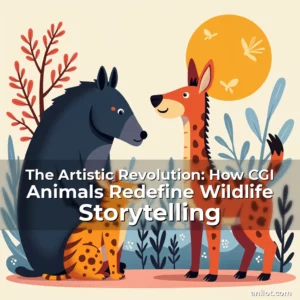
The Artistic Revolution: How CGI Animals Redefine Wildlife Storytelling
The Artistic Revolution: How CGI Animals Redefine Wildlife Storytelling In an era where technology and artistry collide, CGI animals have...