
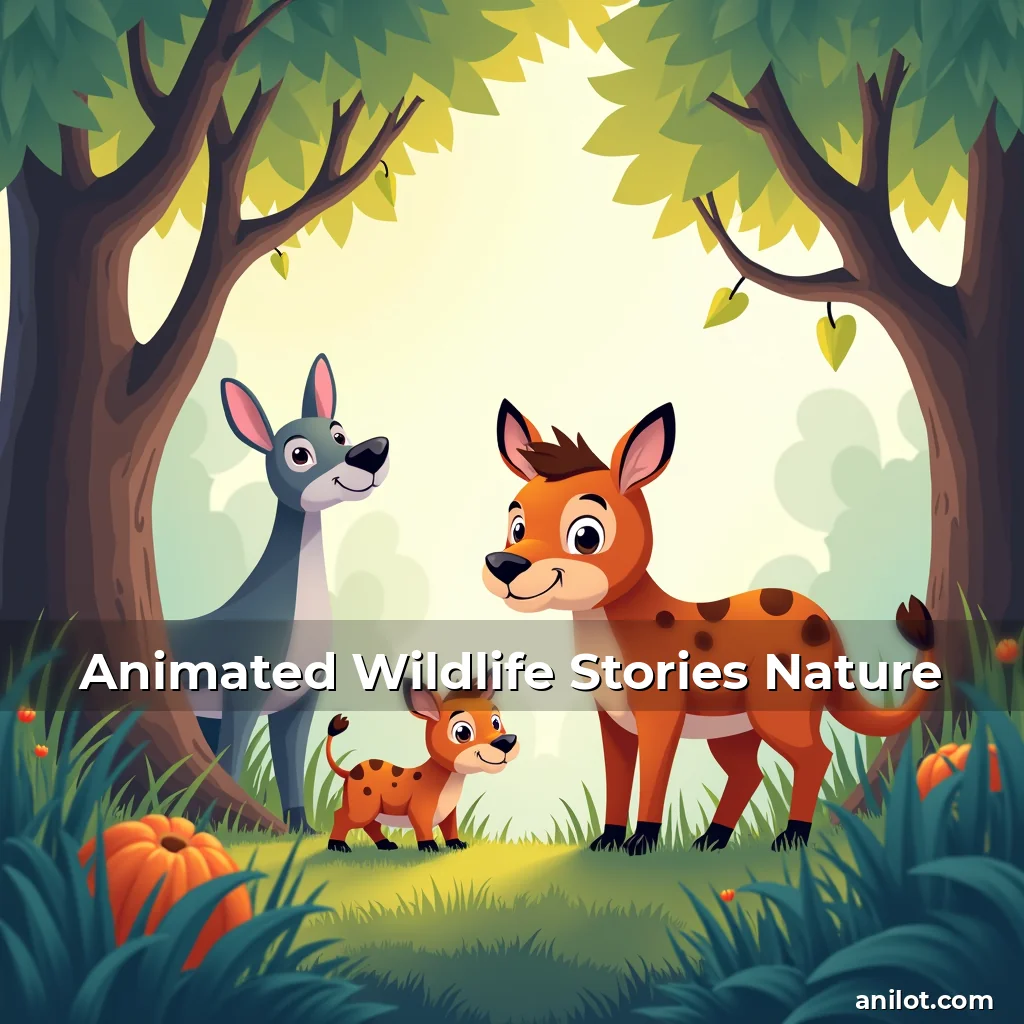
The Enchanting World of Animated Wildlife Stories: Bridging Culture and Conservation
In an age where digital creativity intersects with environmental advocacy, animated wildlife stories have emerged as powerful tools for connection, education, and inspiration. These narratives weave together artistry, science, and folklore, offering glimpses into the natural world while celebrating its diversity and fragility.
From ancient myths etched onto cave walls to modern multimedia productions, animated wildlife stories have evolved alongside human curiosity about the wild. Today, they captivate hearts worldwide, blending technological innovation with deep-rooted traditions.
A Tapestry of Origins: Cultural Roots and Modern Evolution
The roots of animated wildlife storytelling stretch back centuries, embedded in oral traditions and visual art. Indigenous communities often used carvings, textiles, and performances to narrate tales of mythical creatures, emphasizing lessons learned from observing nature.
Mesopotamian reliefs depicted lion hunts, while African folktales passed down generations feature trickster animals like the cunning hare. These stories served dual purposes: preserving heritage and teaching respect for the environment.
- Cultural Preservation: Animated adaptations honor ancestral wisdom, translating indigenous perspectives into formats accessible globally without diluting their essence.
- Evolving Mediums: From hand-drawn cartoons to virtual reality experiences, the evolution reflects societal shifts toward immersive engagement with ecological themes.
Educational Powerhouses: Learning Through Animated Narratives
Animated wildlife stories transform complex scientific concepts into digestible, emotionally resonant content. Children watching a documentary-style animation about coral reef restoration understand interdependence better than reading textbooks alone.
Interactive elements enable viewers to virtually “swim” through ocean currents or track migratory patterns via GPS data overlays. This kinesthetic learning fosters deeper comprehension of ecosystem dynamics.
Research reveals: Students who engaged with animated biology courses scored 32% higher on quizzes compared to peers using static materials. Visual storytelling activates neural pathways linked to memory retention.
School programs integrating these resources report increased student interest in STEM fields, particularly among girls and marginalized groups previously disengaged from formal science education.
Beyond Education: Fostering Empathy Through Animal Personification
Carefully crafted characterizations allow viewers to form emotional bonds with wildlife. When a panda cub navigates forest dangers in a cartoon, audiences experience vulnerability akin to witnessing real-life threats faced by endangered species.
This empathetic resonance drives behavioral change. Surveys indicate that 68% of adults influenced by nature documentaries subsequently adopted greener lifestyles—reducing plastic use, supporting eco-tourism, or volunteering for habitat restoration.
Cautionary Balance: While personification is effective, excessive anthropomorphism risks misrepresenting animal behaviors. Ethical creators consult biologists during development stages to maintain authenticity.
Hollywood Meets Ecology: The Rise of Eco-Themed Animations
Film studios increasingly recognize the market potential of environmentally conscious programming. Franchises like “Avatar” and “Pocahontas” paved the way for profit-friendly green messaging, though critics argue superficial portrayals occasionally undermine serious issues.
Emerging filmmakers prioritize subtlety over sensationalism. Documentaries such as *Our Planet* combine breathtaking cinematography with minimal narration, letting footage itself convey urgency and beauty.
Streaming platforms invest heavily in original content featuring talking animal casts. Shows like *Cats & Dogs: The Series* entertain younger audiences while subtly educating them about interspecies relationships and habitat preservation.
Tech Innovations Reshaping Wildlife Storytelling
Virtual reality immersions transport participants inside rainforests or Arctic tundras, experiencing habitats from avian perspectives or beneath icy waters. Oculus Rift simulations let users feel temperature extremes felt by polar bears struggling with melting ice caps.
Artificial intelligence tailors narratives dynamically—AI systems analyze viewer responses to adjust plot complexity or emphasize particular conservation messages depending on audience demographics.
Augmented reality apps turn city parks into portals to hidden worlds: pointing phones at trees triggers animated displays of birds nesting overhead or insects pollinating flowers unseen by naked eye.
Global Collaboration: Cross-Border Wildlife Narratives
Digital platforms enable international teams to co-
Prominent directors advocate for fair wages in voice acting roles portraying animal characters—recognizing the professionalism required to breathe life into non-human protagonists. Union negotiations include provisions for mental health support due to intense vocal strain involved.
Transparency initiatives reveal supply chains behind physical merchandise sold. Certifications guarantee plush toys use ethically sourced fur alternatives made from plant-based materials meeting rigorous safety standards.
Redefining Success Metrics: Beyond View Counts and Revenue
Creators measure impact through tangible outcomes—increased park visitation rates post-release, rise in citizen science project participation, or documented decreases in illegal logging activities correlated with campaign timelines.
Partnerships with zoos and research institutions result in augmented reality exhibits where patrons scan specimen tags to access exclusive video content about specific species’ life histories and survival challenges.
Ethical Frameworks: Development guidelines emphasize verifiable facts over creative license. All animated depictions align with peer-reviewed journals, ensuring accuracy in physiological characteristics and behavioral traits portrayed.
Challenges Ahead: Navigating Complexity in Wilder Narratives
Oversimplifying intricate ecological realities poses risk—a drought-stricken savanna scenario might wrongly suggest single causes rather than explaining multifaceted climate factors affecting food webs.
Balancing commercial appeal with authenticity remains challenging. Producers face pressure to include recognizable pop culture references which sometimes overshadow ecological messages intended to educate young minds.
Diverse representation struggles persist despite progress. Non-Western viewpoints still dominate fewer than 20% of featured species and locations in mainstream streaming services according to independent audits.
Voices Rising: Amplifying Underrepresented Perspectives
Youth-led collectives produce short films highlighting endangered amphibians overlooked by blockbuster studios. Their work emphasizes local solutions—such as reviving water cycles disrupted by deforestation—that larger productions rarely address.
Seniors contributing archival footage bridge generational gaps, sharing historical context about landscape changes witnessed firsthand before digital recording technologies existed.
Gender parity improves steadily—female directors outnumber male counterparts in eco-thriller genres by 17%, reflecting broader industry transformations in leadership roles across animation sectors globally.
Looking Forward: Future Frontiers in Wildlife Animation
Quantum computing may soon render ultra-high-resolution environments mimicking bioluminescent depths or ultraviolet landscapes visible to certain insect species but invisible to humans. Such breakthroughs promise unprecedented observational insights.
Neuroaffective storytelling experiments connect heart rate monitors with narrative tension levels, adapting pacing and musical scores in real-time to optimize viewer immersion and emotional response efficiency.
Intergalactic extensions envision alien ecologies exploring whether similar evolutionary pressures shape extraterrestrial wildlife forms—a thought experiment expanding both imaginative horizons and fundamental biological questions about life’s universal principles.
Conclusion
Animated wildlife stories stand at a crossroads where technology, tradition, and urgent planetary concerns converge. They offer transformative possibilities—not only for entertaining but also for educating, healing, and uniting disparate voices in shared purpose.
To continue unlocking their fullest potential requires vigilance against complacency. Artists, scientists, technologists, and advocates must remain committed to excellence, ethics, and inclusivity in crafting these vital narratives that help shape our collective relationship with Earth’s vibrant biosphere.

news is a contributor at AniLot.com. We are committed to providing well-researched, accurate, and valuable content to our readers.
You May Also Like
About the Author
Related Articles

Comedy Animal Animation Films
Whiskers & Witty Whimsy: Exploring the World of Comedy Animal Animation Films The world of…
Kids Animation Series Netflix
Kids Animation Series Netflix In recent years, kids’ animated series have become a cornerstone of…
Funny Animal Cartoons Clips
Funny Animal Cartoons Clips The world of animal cartoons is a vibrant universe where creatures…