
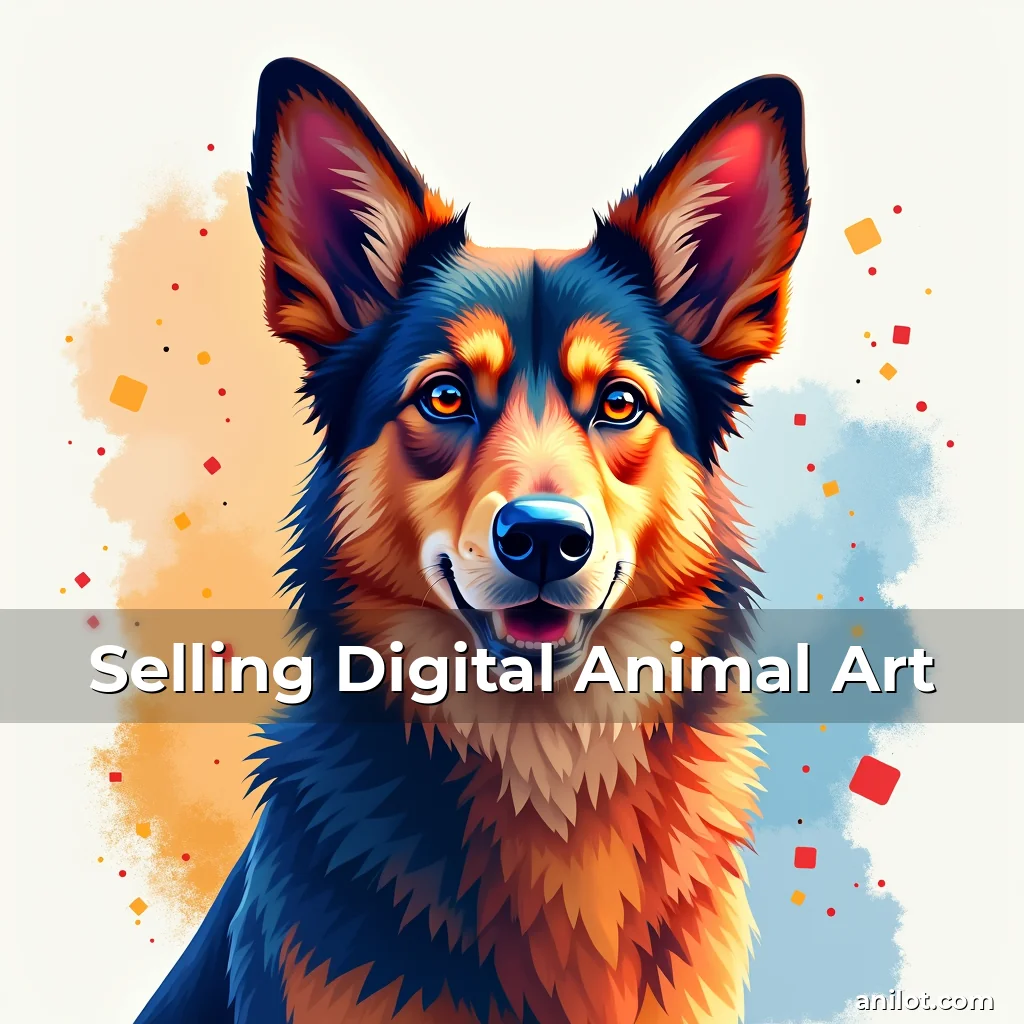
Selling Digital Animal Art: A Strategic Guide for Artists and Collectors
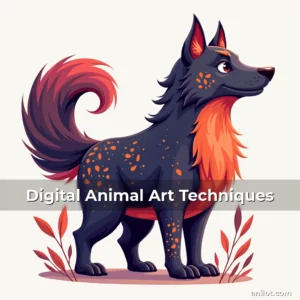
Digital animal art has emerged as a vibrant sector at the intersection of technology and creativity, offering limitless opportunities for expression and monetization. From whimsical illustrations of mythical creatures to hyper-realistic renderings of endangered species, this medium captivates audiences worldwide.
The rise of NFTs and online marketplaces has transformed how artists showcase and sell their work, creating new pathways for exposure and revenue. Understanding these evolving landscapes is crucial for anyone serious about turning passion into profit.
The Evolution of Digital Animal Art
The journey of digital animal art began in the late 1980s with rudimentary pixel-based designs
Evaluating marketplace options involves considering commission fees, traffic volumes, audience demographics, and payment gateway compatibility. Each platform presents distinct advantages and limitations that require careful analysis.
Traditional sites like Etsy maintain broad appeal but face intense competition from thousands of sellers vying for visibility. Newer entrants often adopt more targeted strategies focusing on specific communities.
NFT marketplaces introduce novel value propositions through verifiable scarcity and secondary market royalties. However, they also present regulatory uncertainties that warrant caution.
Federally registered.art domain names may soon gain prominence as dedicated hubs for digital art transactions, potentially disrupting existing ecosystem dynamics.
Marketing Your Digital Animal Art Collection
Content calendars should align with seasonal events and cultural milestones relevant to featured subjects—such as World Wildlife Day or Earth Month celebrations.
Collaborating with influencers who resonate with nature themes expands reach beyond core followers, tapping into fresh audiences hungry for authentic content.
User-generated content campaigns encourage customers to share their own interpretations of purchased artworks, generating organic buzz and social validation.
Email newsletters segmented by interests enable personalized communication strategies, increasing open rates and overall engagement metrics.
- Hashtag Strategy: Developing cohesive tagging systems for consistent brand identification across social channels
- Micro-Influencer Partnerships: Building relationships with mid-tier creators whose audiences match your ideal demographic
- Data Analytics: Monitoring click-through rates, bounce rates, and conversion funnel drop-offs regularly
- Interactive Content: Experimenting with quizzes, polls, and AR filters that invite active participation
- Community Moderation: Establishing clear guidelines for user interactions to foster positive discourse
Legal Considerations and Ethical Practices
Obtaining model releases becomes essential when incorporating recognizable individuals alongside animal subjects in commercial contexts. This prevents legal disputes over unauthorized usage rights.
Respecting intellectual property laws extends beyond merely securing permissions—it involves understanding fair use doctrines and copyright duration regulations globally.
Cultural sensitivity plays a vital role when depicting indigenous tribes’ mythological beasts or sacred animals, necessitating consultation with experts in those traditions.
Environmental responsibility manifests in production choices, from preferring eco-friendly packaging materials to reducing carbon footprint during shipping logistics.
Ethics in Wildlife Depiction
Balancing artistic freedom with respect for living creatures requires mindful representation devoid of stereotypes or harmful tropes associated with certain species.
Documentary-style reconstructions demand factual accuracy, sometimes requiring collaboration with zoologists to avoid perpetuating misconceptions about animal behavior.
Depictions of extinct species should acknowledge their status appropriately, perhaps highlighting conservation lessons learned from their disappearance.
Using digital tools responsibly includes preventing image manipulation that could distort public perception about animal sizes, colors, or habitats.
Future Directions and Emerging Opportunities
The convergence of artificial intelligence and generative adversarial networks promises exciting advancements in automated art creation, though human oversight remains crucial for maintaining creative integrity.
Volumetric capture technologies may soon allow for full-body scanning of live animals, opening doors to extremely precise 3D animations and interactive exhibits.
Immersive theater productions are beginning to integrate digital animal characters as performative elements, blending physical acting with computer-generated imagery seamlessly.
Clinical applications show promise too—with therapeutic programs using customized digital animal companions to assist patients undergoing mental health treatments.
- Haptic Feedback Systems: Enabling tactile interaction with virtual creatures through wearable technology
- Synthetic Biology: Potentially influencing bio-art expressions through genetic modification debates
- Neural Interfaces: Opening avenues for direct brain-computer interface controlled art installations
- Quantum Computing: Possibly revolutionizing procedural generation speed and complexity levels
- Augmented Reality Glasses: Transforming urban landscapes into interactive wildlife sanctuaries
Challenges Faced by Digital Animal Artists
Navigating rapidly changing tech landscapes demands continuous education and adaptation, from mastering latest brush engines to keeping pace with algorithm updates affecting search rankings.
Competition intensifies as entry barriers lower, prompting some established artists to develop signature styles that differentiate them from countless newcomers entering the field daily.
Customer expectations evolve quickly, pushing creators toward faster turnaround times while maintaining quality standards across varying price tiers.
Market saturation creates pressure to innovate constantly, requiring balancing between staying true to personal vision and pursuing commercially viable directions.
Technical Obstacles and Solutions
High-resolution output requirements strain older computers, making hardware upgrades necessary even for basic workflow efficiency.
Learning curves for complex tools often deter casual users, necessitating investment in training resources or mentorship programs to accelerate proficiency.
Data storage management grows increasingly complicated with massive file sizes produced by ultra-detailed projects, demanding reliable backup solutions.
Internet connectivity stability impacts remote collaborations, emphasizing importance of redundant network configurations for professional operations.
Building Sustainable Careers as Digital Animal Artists
Diversifying income streams through teaching workshops, producing merchandise, or licensing artwork ensures financial resilience against market fluctuations.
Developing a personal brand centered around a compelling narrative strengthens audience connection, whether through conservation messaging or adventurous exploration themes.
Cultivating cross-disciplinary skills opens unexpected career paths, from contributing to scientific publications to working on film set matte paintings featuring fantasy creatures.
Maintaining authenticity while embracing change allows artists to remain relevant without compromising individuality, creating enduring careers built on genuine passion.
- Portfolio Development: Regularly updating showcases with diverse works reflecting evolving style maturity
- Industry Networking: Attending conferences and joining guilds to build supportive professional relationships
- Financial Planning: Setting aside emergency funds and investing wisely to secure long-term stability
- Mental Health Care: Practicing self-care routines to manage stress inherent in freelance lifestyles
- Continuous Learning: Allocating time weekly to study emerging trends shaping industry trajectories
Conclusion
Digital animal art represents a dynamic fusion of natural beauty and technological innovation that continues to shape modern visual culture in profound ways.
By strategically leveraging available tools, platforms, and market insights, artists can successfully navigate this expanding field while contributing meaningfully to global conversations about biodiversity preservation.
Embracing ongoing education and adaptability positions creators to thrive amidst rapid changes, ensuring lasting impact through thoughtful artistic expression combined with savvy business practices.

news is a contributor at AniLot.com. We are committed to providing well-researched, accurate, and valuable content to our readers.
You May Also Like
About the Author
Related Articles
Cartoon Animals Drawing Tutorial
The Whimsical World of Cartoon Animals: A Journey Through Artistic Expression In the vibrant realm…
Action Animal Animation Films
The Enchanting World of Action-Packed Animal Animation Films In recent years, the realm of animal…
Animated Animal Content Production
The Art of Animated Animal Content Creation: A Deep Dive into Captivating Wildlife Narratives In…