
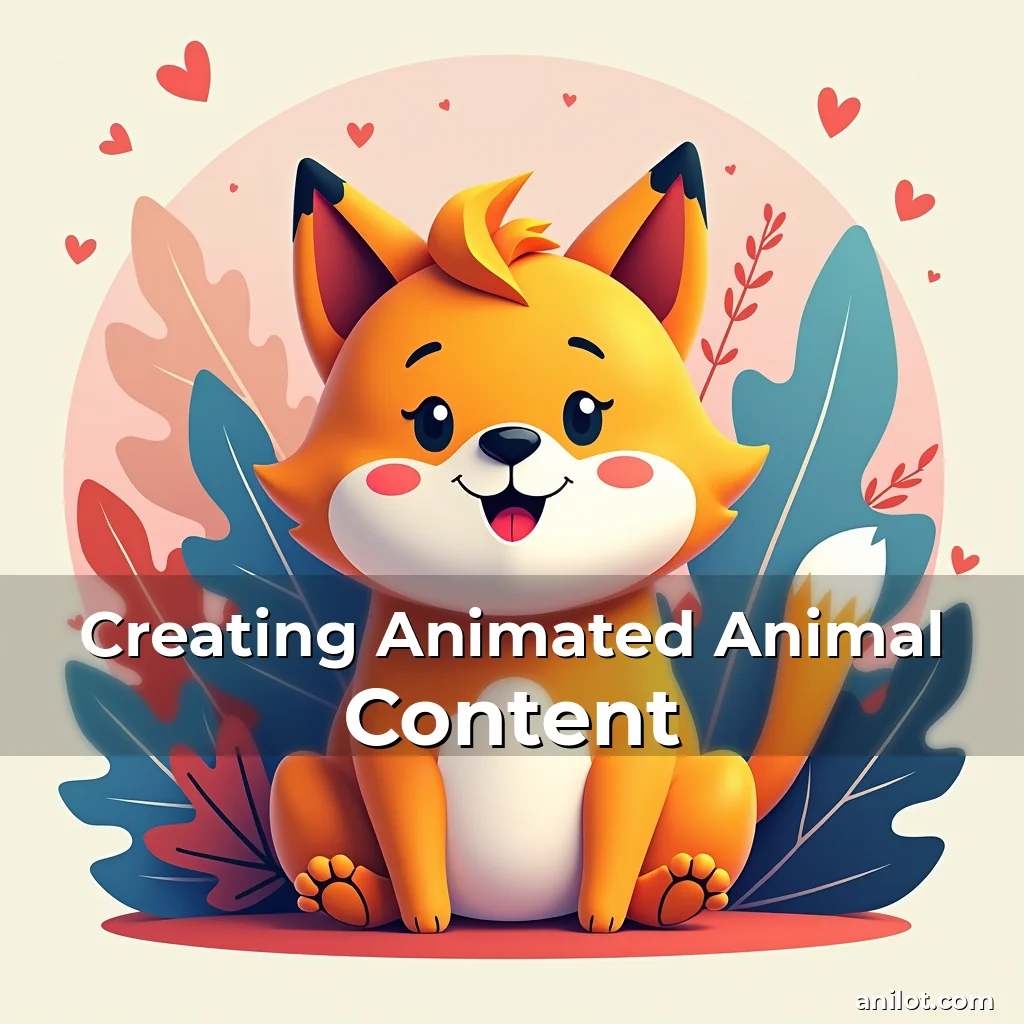
The Enchantment of Animated Animal Content: A Journey Through Creativity and Connection
In an era where digital storytelling reigns supreme, animated animal content has emerged as a captivating force that bridges human curiosity with nature’s wonders. From whimsical cartoons to realistic simulations, these creations spark joy, educate audiences, and foster empathy across generations.
This exploration delves into the artistry behind crafting such animations, uncovering techniques used by creators, tools available today, and how this medium is shaping modern entertainment and education alike.
Forging Emotional Bonds Through Animal Animation
The power of animation lies in its ability to transform ordinary creatures into relatable characters capable of evoking deep emotions. When animals are anthropomorphized through expressive eyes, body language, and voice modulation, they become mirrors reflecting our own experiences.
Studies show that viewers form stronger emotional connections with animated animals than live-action counterparts. This phenomenon is rooted in cognitive dissonance theory, which suggests people relate better to stylized representations rather than strictly realistic depictions.
- Eyes Matter Most: Research indicates that wide, expressive eyes significantly enhance perceived intelligence and cuteness in animated animals
- Voice Modulation: Using higher pitch frequencies for smaller species creates instant likability while deeper tones convey authority
- Movement Nuances: Slight wobbles in gait or hesitant tail movements make animals appear more authentic and endearing
Crafting these elements requires understanding both biological accuracy and psychological appeal, creating a delicate balance between realism and fantasy that resonates universally.
Animators often study real footage extensively before implementing exaggerated features designed specifically to elicit emotional responses from their audience base.
Technological Foundations of Modern Animal Animation
Advancements in computer graphics have revolutionized the way we create animated animals. Today’s animators utilize sophisticated software packages equipped with physics engines that simulate natural movement patterns down to muscle contractions and fur dynamics.
Digital sculpting tools allow artists to design intricate facial expressions that would be impossible to achieve physically. These virtual clay models can then be rigged with complex skeletal structures enabling lifelike motion sequences.
Sculpting the Digital Beast
Leading studios employ ZBrush and Maya for high-resolution modeling tasks requiring millions of polygons per frame. These programs enable precise detailing of textures ranging from smooth scales to coarse fur coats characteristic of various species.
Texture mapping plays crucial role in achieving photorealism; procedural generation algorithms help maintain consistency across vast surfaces without manual labor required previously.
Recent developments include AI-assisted rigging systems that automatically detect anatomical landmarks during model creation phases, drastically reducing setup times traditionally spent by hand.
These innovations collectively contribute to creating believable animal forms that captivate audiences worldwide through enhanced visual fidelity.
The Artistic Process Behind Creature Creation
Animating animals begins long before any actual movement occurs. Concept artists spend months researching different species’ anatomy, behaviors, and environmental interactions to ensure accurate portrayals grounded in reality yet infused with creative liberties.
Rigging specialists construct internal frameworks within each character allowing for flexible range-of-motion while maintaining structural integrity essential for believable locomotion patterns.
A thorough previsualization stage involving storyboarding helps identify key action beats ensuring seamless transitions between scenes filled with dynamic animal performances.
Each animator must develop intimate knowledge of their subject matter including biomechanics relevant to particular species they’re depicting on screen.
Bridging Education and Entertainment through Wildlife Animations
Educational institutions increasingly leverage animated animal content as effective teaching aids due to their capacity to simplify complex ecological concepts through visual metaphors and interactive scenarios.
Interactive learning platforms now feature virtual ecosystems populated by animated wildlife specimens responding dynamically to user inputs, reinforcing scientific principles through experiential engagement methods.
Data Visualization Made Adorable
Environmental data sets gain new life when presented through charming animal avatars. For instance, carbon footprint calculations might manifest visually through changes in habitat quality depicted via subtle shifts in scenery surrounding animated creatures.
This approach makes abstract numbers tangible, helping younger learners grasp climate change implications through immediate visual feedback mechanisms integrated naturally within gameplay environments.
Such applications demonstrate how animated animals serve dual purposes simultaneously educating and entertaining while promoting conservation awareness among diverse age groups.
Moreover, adaptive learning technologies personalize educational experiences based on individual student progress tracking animal behavior analytics providing insightful metrics regarding comprehension levels achieved through engagement activities.
Narrative Structures Unique to Animal-Centric Storytelling
Animal-themed narratives often emphasize themes of survival instincts, social hierarchies, and inter-species relationships forming distinct narrative archetypes not commonly found in human-centric stories.
Anthropomorphic tropes frequently explore moral dilemmas framed through animal perspectives offering fresh interpretations of classic philosophical questions through non-human lenses.
Story arcs typically follow seasonal cycles mirroring natural rhythms influencing plot development in ways reflective of ecological realities rather than arbitrary time constraints imposed artificially upon fictional worlds.
Conflict resolution strategies often involve cooperative problem-solving highlighting communal strengths inherent within many animal societies contrasting sharply against competitive individualist approaches prevalent elsewhere in cinematic storytelling traditions.
Evolutionary Trends Shaping Future Possibilities
The field continues evolving rapidly driven largely by breakthroughs occurring at intersection points between artificial intelligence and traditional animation practices. Machine learning algorithms are being trained to predict optimal motion paths improving efficiency in production pipelines substantially.
Volumetric capture technology enables recording full-body motions in three-dimensional space permitting greater flexibility during post-production editing stages compared to conventional motion capture setups restricted primarily two-dimensionally.
Real-time rendering capabilities now allow for immediate visualization of animation test sequences eliminating need for lengthy render queues previously hindering iterative refinement processes critical towards perfecting final outputs.
Emerging VR/AR integration opens entirely new dimensions expanding possibilities beyond conventional screens into immersive spatial interfaces where users interact directly with animated wildlife populations inhabiting virtual landscapes designed meticulously according to geographical accuracies maintained consistently throughout entire project scopes.
Ethical Considerations in Representing Living Creatures Digitally
As technological capabilities grow evermore advanced so too do responsibilities associated with representing sentient beings virtually. Ethical debates surround whether certain portrayals risk perpetuating misconceptions about animal cognition or inadvertently normalize harmful stereotypes derived historically from inaccurate popular media depictions.
Potential consequences extend beyond mere misrepresentations potentially affecting public perceptions regarding wildlife management policies impacting conservation efforts globally affected indirectly because of distorted understandings generated through misleading caricatures propagated widely through mass media channels reaching massive audiences daily.
Creative teams bear considerable weight in choosing appropriate representations balancing artistic freedom against factual accuracy ensuring respectful treatment afforded all living entities regardless species concerned always prioritizing welfare above aesthetic considerations whenever feasible circumstances permit reasonable accommodations aligned properly with core ethical guidelines established firmly within industry standards.
To address these challenges responsibly practitioners adhere closely professional codes developed collaboratively through interdisciplinary dialogues incorporating expertise spanning zoology botany psychology sociology along with fine arts disciplines fostering holistic understanding necessary towards responsible depiction practices.
The Cultural Impact of Animated Animals Across Global Communities
Cross-cultural studies reveal fascinating disparities regarding receptiveness toward specific types of animated fauna dependent heavily upon regional folklore histories religious beliefs and contemporary societal values prevailing within respective communities studied comprehensively.
Traditional Japanese anime often incorporates mythical beasts drawn from ancient legends illustrating deep-seated cultural significance attached inherently those figures contrasted strongly against Western adaptations emphasizing scientifically verified characteristics prioritizing empirical validation over spiritual symbolism intrinsic native mythologies.
This divergence highlights importance recognizing cultural contexts when developing international projects aiming universal accessibility acknowledging local nuances respecting indigenous knowledge systems integrating appropriately authentic elements enhancing global resonance while preserving regional identity intact.
Collaborative ventures bringing together multicultural talent pools facilitate richer tapestries blending stylistic influences originating diverse backgrounds resulting uniquely innovative hybrid styles appealing broadly transcending geographic boundaries effectively bridging divides strengthening cross-cultural understanding mutually beneficial exchanges facilitated successfully through shared creative endeavors honoring collective heritage celebrating diversity through unified artistic expression.
Conclusion
The world of animated animal content remains vibrant and continually evolving, reflecting broader trends in technology, ethics, and cultural exchange. As artists push creative boundaries while adhering to principled approaches towards representation matters significant impact felt across numerous domains encompassing entertainment education research preservation etcetera simultaneously.
By embracing emerging methodologies thoughtfully navigating complex issues arising inevitably progress forward assured provided commitment sustained towards excellence innovation inclusivity upheld steadfastly throughout ongoing journeys exploring limitless potential realms awaiting discovery eagerly embraced enthusiastically welcomed warmly celebrated universally recognized appreciably valued profoundly respected deeply cherished ultimately loved endlessly adored unconditionally.
“`
“`
The Enchantment of Animated Animal Content: A Journey Through Creativity and Connection
In an era where digital storytelling reigns supreme, animated animal content has emerged as a captivating force that bridges human curiosity with nature’s wonders. From whimsical cartoons to realistic simulations, these creations spark joy, educate audiences, and foster empathy across generations.
This exploration delves into the artistry behind crafting such animations, uncovering techniques used by creators, tools available today, and how this medium is shaping modern entertainment and education alike.
Forging Emotional Bonds Through Animal Animation
The power of animation lies in its ability to transform ordinary creatures into relatable characters capable of evoking deep emotions. When animals are anthropomorphized through expressive eyes, body language, and voice modulation, they become mirrors reflecting our own experiences.
Studies show that viewers form stronger emotional connections with animated animals than live-action counterparts. This phenomenon is rooted in cognitive dissonance theory, which suggests people relate better to stylized representations rather than strictly realistic depictions.
- Eyes Matter Most: Research indicates that wide, expressive eyes significantly enhance perceived intelligence and cuteness in animated animals
- Voice Modulation: Using higher pitch frequencies for smaller species creates instant likability while deeper tones convey authority
- Movement Nuances: Slight wobbles in gait or hesitant tail movements make animals appear more authentic and endearing
Crafting these elements requires understanding both biological accuracy and psychological appeal, creating a delicate balance between realism and fantasy that resonates universally.
Animators often study real footage extensively before implementing exaggerated features designed specifically to elicit emotional responses from their audience base.
Technological Foundations of Modern Animal Animation
Advancements in computer graphics have revolutionized the way we create animated animals. Today’s animators utilize sophisticated software packages equipped with physics engines that simulate natural movement patterns down to muscle contractions and fur dynamics.
Digital sculpting tools allow artists to design intricate facial expressions that would be impossible to achieve physically. These virtual clay models can then be rigged with complex skeletal structures enabling lifelike motion sequences.
Sculpting the Digital Beast
Leading studios employ ZBrush and Maya for high-resolution modeling tasks requiring millions of polygons per frame. These programs enable precise detailing of textures ranging from smooth scales to coarse fur coats characteristic of various species.
Texture mapping plays crucial role in achieving photorealism; procedural generation algorithms help maintain consistency across vast surfaces without manual labor required previously.
Recent developments include AI-assisted rigging systems that automatically detect anatomical landmarks during model creation phases, drastically reducing setup times traditionally spent by hand.
These innovations collectively contribute to creating believable animal forms that captivate audiences worldwide through enhanced visual fidelity.
The Artistic Process Behind Creature Creation
Animating animals begins long before any actual movement occurs. Concept artists spend months researching different species’ anatomy, behaviors, and environmental interactions to ensure accurate portrayals grounded in reality yet infused with creative liberties.
Rigging specialists construct internal frameworks within each character allowing for flexible range-of-motion while maintaining structural integrity essential for believable locomotion patterns.
A thorough previsualization stage involving storyboarding helps identify key action beats ensuring seamless transitions between scenes filled with dynamic animal performances.
Each animator must develop intimate knowledge of their subject matter including biomechanics relevant to particular species they’re depicting on screen.
Bridging Education and Entertainment through Wildlife Animations
Educational institutions increasingly leverage animated animal content as effective teaching aids due to their capacity to simplify complex ecological concepts through visual metaphors and interactive scenarios.
Interactive learning platforms now feature virtual ecosystems populated by animated wildlife specimens responding dynamically to user inputs, reinforcing scientific principles through experiential engagement methods.
Data Visualization Made Adorable
Environmental data sets gain new life when presented through charming animal avatars. For instance, carbon footprint calculations might manifest visually through changes in habitat quality depicted via subtle shifts in scenery surrounding animated creatures.
This approach makes abstract numbers tangible, helping younger learners grasp climate change implications through immediate visual feedback mechanisms integrated naturally within gameplay environments.
Such applications demonstrate how animated animals serve dual purposes simultaneously educating and entertaining while promoting conservation awareness among diverse age groups.
Moreover, adaptive learning technologies personalize educational experiences based on individual student progress tracking animal behavior analytics providing insightful metrics regarding comprehension levels achieved through engagement activities.
Narrative Structures Unique to Animal-Centric Storytelling
Animal-themed narratives often emphasize themes of survival instincts, social hierarchies, and inter-species relationships forming distinct narrative archetypes not commonly found in human-centric stories.
Anthropomorphic tropes frequently explore moral dilemmas framed through animal perspectives offering fresh interpretations of classic philosophical questions through non-human lenses.
Story arcs typically follow seasonal cycles mirroring natural rhythms influencing plot development in ways reflective of ecological realities rather than arbitrary time constraints imposed artificially upon fictional worlds.
Conflict resolution strategies often involve cooperative problem-solving highlighting communal strengths inherent within many animal societies contrasting sharply against competitive individualist approaches prevalent elsewhere in cinematic storytelling traditions.
Evolutionary Trends Shaping Future Possibilities
The field continues evolving rapidly driven largely by breakthroughs occurring at intersection points between artificial intelligence and traditional animation practices. Machine learning algorithms are being trained to predict optimal motion paths improving efficiency in production pipelines substantially.
Volumetric capture technology enables recording full-body motions in three-dimensional space permitting greater flexibility during post-production editing stages compared to conventional motion capture setups restricted primarily two-dimensionally.
Real-time rendering capabilities now allow for immediate visualization of animation test sequences eliminating need for lengthy render queues previously hindering iterative refinement processes critical towards perfecting final outputs.
Emerging VR/AR integration opens entirely new dimensions expanding possibilities beyond conventional screens into immersive spatial interfaces where users interact directly with animated wildlife populations inhabiting virtual landscapes designed meticulously according to geographical accuracies maintained consistently throughout entire project scopes.
Ethical Considerations in Representing Living Creatures Digitally
As technological capabilities grow evermore advanced so too do responsibilities associated with representing sentient beings virtually. Ethical debates surround whether certain portrayals risk perpetuating misconceptions about animal cognition or inadvertently normalize harmful stereotypes derived historically from inaccurate popular media depictions.
Potential consequences extend beyond mere misrepresentations potentially affecting public perceptions regarding wildlife management policies impacting conservation efforts globally affected indirectly because of distorted understandings generated through misleading caricatures propagated widely through mass media channels reaching massive audiences daily.
Creative teams bear considerable weight in choosing appropriate representations balancing artistic freedom against factual accuracy ensuring respectful treatment afforded all living entities regardless species concerned always prioritizing welfare above aesthetic considerations whenever feasible circumstances permit reasonable accommodations aligned properly with core ethical guidelines established firmly within industry standards.
To address these challenges responsibly practitioners adhere closely professional codes developed collaboratively through interdisciplinary dialogues incorporating expertise spanning zoology botany psychology sociology along with fine arts disciplines fostering holistic understanding necessary towards responsible depiction practices.
The Cultural Impact of Animated Animals Across Global Communities
Cross-cultural studies reveal fascinating disparities regarding receptiveness toward specific types of animated fauna dependent heavily upon regional folklore histories religious beliefs and contemporary societal values prevailing within respective communities studied comprehensively.
Traditional Japanese anime often incorporates mythical beasts drawn from ancient legends illustrating deep-seated cultural significance attached inherently those figures contrasted strongly against Western adaptations emphasizing scientifically verified characteristics prioritizing empirical validation over spiritual symbolism intrinsic native mythologies.
This divergence highlights importance recognizing cultural contexts when developing international projects aiming universal accessibility acknowledging local nuances respecting indigenous knowledge systems integrating appropriately authentic elements enhancing global resonance while preserving regional identity intact.
Collaborative ventures bringing together multicultural talent pools facilitate richer tapestries blending stylistic influences originating diverse backgrounds resulting uniquely innovative hybrid styles appealing broadly transcending geographic boundaries effectively bridging divides strengthening cross-cultural understanding mutually beneficial exchanges facilitated successfully through shared creative endeavors honoring collective heritage celebrating diversity through unified artistic expression.
Conclusion
The world of animated animal content remains vibrant and continually evolving, reflecting broader trends in technology, ethics, and cultural exchange. As artists push creative boundaries while adhering to principled approaches towards representation matters significant impact felt across numerous domains encompassing entertainment education research preservation etcetera simultaneously.
By embracing emerging methodologies thoughtfully navigating complex issues arising inevitably progress forward assured provided commitment sustained towards excellence innovation inclusivity upheld steadfastly throughout ongoing journeys exploring limitless potential realms awaiting discovery eagerly embraced enthusiastically welcomed warmly celebrated universally recognized appreciably valued profoundly respected deeply cherished ultimately loved endlessly adored unconditionally.

news is a contributor at AniLot.com. We are committed to providing well-researched, accurate, and valuable content to our readers.
You May Also Like

About the Author
Related Articles
Animation For Kids Strategies and Implementation
The Magic of Animation: A Gateway to Creativity and Learning for Kids In today’s digital…
Kids Animation Halloween Specials
Kids Animation Halloween Specials Halloween is a time when creativity takes center stage, especially when…
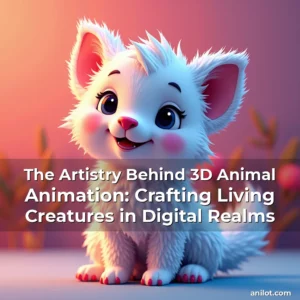
The Artistry Behind 3D Animal Animation: Crafting Living Creatures in Digital Realms
The Artistry Behind 3D Animal Animation: Crafting Living Creatures in Digital Realms In the vibrant…