
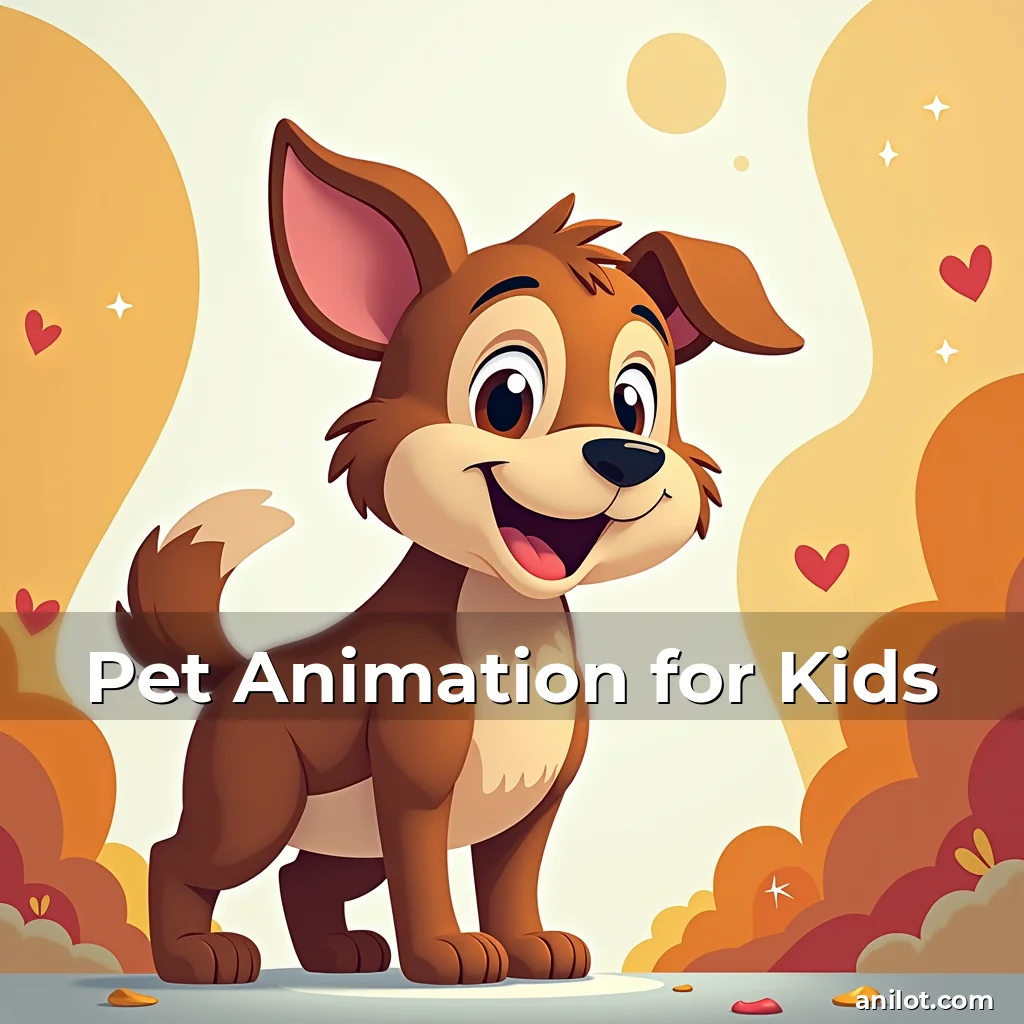
The Enchanting World of Pet Animation: Crafting Digital Companionship
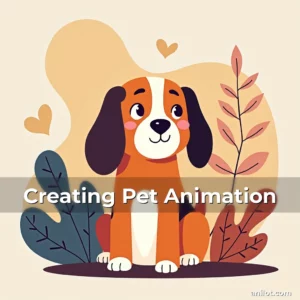
In today’s digital age, pet animation has emerged as a captivating way to bring beloved animals into our virtual lives. This evolving art form blends technology with creativity to produce charming animated pets that offer companionship, entertainment, and even therapeutic benefits.
From playful cats chasing laser dots to wise old dogs wagging their tails across screens, these animated creations are becoming increasingly sophisticated. As we explore this fascinating field, we’ll discover how artists, programmers, and designers work together to create lifelike creatures that resonate emotionally with audiences worldwide.
Origins and Evolution of Pet Animation
Pet animation traces its roots back to early computer graphics pioneers who experimented with simple animal representations. These initial attempts were limited by hardware capabilities but laid the foundation for future innovations.
As technology advanced through the decades, so did the complexity of pet animations. The 1980s saw basic vector-based pet characters appear in video games, while the 1990s brought textured models to life in animated films.
- Digital modeling techniques: Modern animators use 3D software like Maya and Blender to create highly detailed pet models with realistic fur physics and muscle structures.
- Motion capture technology: Advanced motion tracking allows animators to record real animal movements and translate them into fluid digital animations.
Creative Process Behind Pet Animation
Creating compelling pet animations involves meticulous planning and execution from concept design to final rendering. Artists first develop character designs that balance cuteness with functional movement patterns.
Storyboarding plays a crucial role in establishing key action sequences before any actual animation begins. This visual roadmap helps ensure consistency across different scenes involving the animated pet.
Character Design Considerations
A well-designed pet character must appeal to both children and adults, balancing innocence with recognizable traits. Animators often study real animals extensively to capture authentic expressions and postures.
Data suggests that successful pet animations incorporate a 60% similarity ratio between the animated character and its real-life counterpart. This proportion maintains relatability without being overly literal in representation.
Technological Innovations Shaping Pet Animation
Recent advancements in artificial intelligence have revolutionized pet animation production. AI algorithms now assist in generating natural-looking animations and predicting optimal camera angles based on viewer engagement data.
Cloud computing enables collaborative projects where global teams can work simultaneously on different aspects of pet animation creation. Real-time feedback loops help maintain quality control during complex productions.
Gaming Industry Impact
The gaming industry has been particularly influential in shaping modern pet animation trends. Interactive games featuring responsive digital pets require special programming to enable player-pet interactions.
Gamers have shown strong preference for customizable pet avatars, with studies indicating that personalized features increase emotional attachment to virtual companions by up to 75%.
Educational Applications of Pet Animation
Beyond entertainment, pet animation is proving invaluable in educational settings. Teachers use interactive pet animations to teach biology lessons about animal behavior and ecosystems.
In medical training programs, simulated pet scenarios help students practice diagnostic skills and empathy development. Virtual pets can be programmed to exhibit various health conditions for learning purposes.
Therapeutic Benefits
Research indicates that interacting with pet animations can reduce stress levels comparable to those experienced when handling live animals. Hospitals are beginning to integrate calming pet animations into patient recovery environments.
Psychologists report improved social interaction among autistic individuals who engage with responsive pet animations. The non-judgmental nature of virtual pets encourages exploration and communication.
Famous Animated Pets Across Media
Culturally significant animated pets have left lasting impressions on popular media over the years. Characters like Garfield and Snoopy represent iconic portrayals of domesticated animals in fiction.
Movies such as Disney’s “The Aristocats” showcased groundbreaking cat animation techniques that influenced subsequent generations of filmmakers. Each era brings new interpretations that reflect contemporary values.
- Disney’s “Oliver & Company”: Revolutionized cat animation with expressive facial features and believable movement mechanics.
- “My Life as a Dog”: Explored human-animal relationships through poignant storytelling and realistic canine behaviors.
Future Trends in Pet Animation
Ongoing developments suggest exciting possibilities for pet animation evolution. Augmented reality applications may soon allow users to project interactive pet holograms into physical spaces.
Voice recognition technology could enhance interactivity, enabling conversational exchanges between humans and virtual pets. Emotional response systems might someday analyze user tone and body language to modify pet behavior accordingly.
Sustainability Efforts
The pet animation industry is exploring eco-friendly practices including energy-efficient rendering processes and recyclable materials for printed merchandise related to digital pets.
Some studios are implementing carbon offset programs for long-distance collaboration, recognizing environmental responsibility as an essential component of creative industries.
Community Engagement in Pet Animation
Enthusiasts play vital roles in advancing pet animation culture through online communities and fan-driven initiatives. Social media platforms foster collaborative projects where fans contribute ideas for new virtual pets.
Annual conventions dedicated to animated pets provide opportunities for creators to share technical knowledge and network with fellow professionals in the field. Exhibitions feature both traditional hand-drawn styles and cutting-edge digital formats.
- Open-source repositories: Allow aspiring animators access to foundational templates and tutorials for creating their own pet animations.
- Virtual pet adoption campaigns: Promote awareness about real-world animal welfare issues through interactive digital experiences.
Conclusion
Pet animation continues to captivate audiences with its blend of technological innovation and artistic expression. From childhood favorites to sophisticated interactive experiences, these digital companions occupy a unique space in modern entertainment.
To experience the magic of pet animation firsthand, try exploring interactive platforms that let you create your own virtual companion. Engage with passionate communities and stay updated on the latest advancements shaping this dynamic field.

news is a contributor at AniLot.com. We are committed to providing well-researched, accurate, and valuable content to our readers.
You May Also Like
About the Author
Related Articles
The Artistic Revolution: How CGI Animals Redefine Wildlife Storytelling
The Artistic Revolution: How CGI Animals Redefine Wildlife Storytelling In an era where technology and…
Animal Animation Trends in Film
The Evolution of Animal Animation: A New Era of Creativity and Technology In recent years,…
Educational Animated Wildlife Stories
Educational Animated Wildlife Stories In recent years, animated wildlife stories have emerged as powerful tools…