
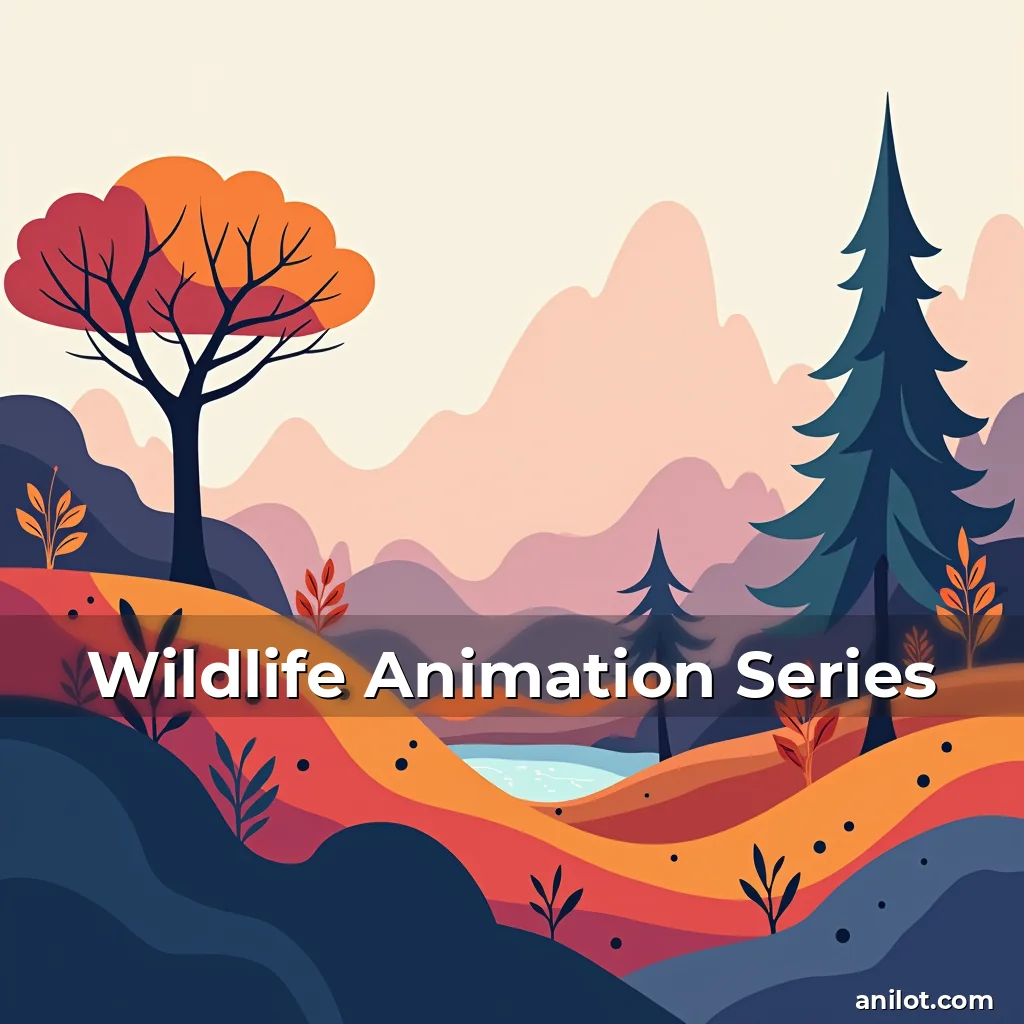
The Artistry of Wildlife Animation: Bringing Nature’s Creatures to Life Through Digital Craftsmanship
In an era where digital storytelling has become as vital as traditional narrative forms, wildlife animation stands out as a compelling fusion of artistic vision and technological innovation. This specialized field transforms real-world animals into captivating characters that educate, entertain, and inspire audiences across various media platforms.
From educational documentaries to children’s programming and feature films, wildlife animators craft lifelike representations of creatures from every corner of the globe. Their work requires not only technical expertise but also deep ecological understanding and creative problem-solving skills.
The Evolution of Wildlife Animation Techniques
The journey of wildlife animation began in the early days of hand-drawn cel animation, where artists meticulously sketched animal movements frame by frame. These pioneers laid the foundation for depicting natural motion through sequential drawings.
With advancements in computer technology during the late 20th century, the industry witnessed a revolutionary shift towards digital tools. Software like Maya and Blender enabled animators to create three-dimensional models that could be manipulated with greater precision than ever before.
Modern wildlife animation now combines photorealistic rendering techniques with motion capture data from actual animals. This hybrid approach allows creators to achieve unprecedented levels of realism while maintaining creative control over their animated subjects.
Different studios have developed unique workflows tailored to their projects’ needs. Some prefer using high-resolution reference footage combined with procedural animation systems to simulate complex behaviors like flocking patterns or predator-prey interactions.
- Cel animation: Traditional method involving physical celluloid sheets layered over static background art
- Stop-motion: Technique using miniature figures moved incrementally between frames for organic movement effects
- 3D CGI: Computer-generated imagery allowing full manipulation of virtual environments and characters
- Motion capture: Technology recording live human or animal performances to translate them into digital animations
Core Principles of Wildlife Character Design
Creating believable wildlife characters begins with rigorous research about each species’ anatomy, behavior, and habitat characteristics. Animators must study how animals move, interact, and express emotions naturally.
A successful design balances scientific accuracy with aesthetic appeal. While maintaining essential anatomical features, artists often stylize elements to enhance visual interest without compromising recognizability.
Color theory plays a crucial role in character development. Understanding how different hues affect perception helps designers choose palettes that accurately represent species while ensuring visibility against varied backgrounds.
Proportion adjustments are made strategically depending on the medium’s requirements. For example, larger-than-life proportions might be used in children’s shows for comedic effect, whereas realistic scaling is maintained for documentary-style productions.
Biodiversity Representation Challenges
Representing Earth’s vast biodiversity presents significant challenges for animators working on global projects. With over 8 million estimated species, selecting which ones to depict requires careful consideration based on availability of reference materials and cultural relevance.
Some endangered species pose additional difficulties due to limited access to living specimens. In these cases, animators rely heavily on museum archives, scientific publications, and expert consultations to ensure accurate portrayals.
Hybrid creatures found in mythology or fantasy settings require special attention to maintain a balance between imaginative elements and biological plausibility when they’re meant to resemble real animals.
Conservation efforts sometimes influence design choices, leading to intentional exaggerations or simplifications aimed at raising awareness rather than perfect replication of specific individuals.
Technological Tools Revolutionizing Wildlife Animation
Advancements in artificial intelligence have introduced powerful tools that assist animators in creating more efficient and expressive wildlife sequences. Machine learning algorithms can analyze thousands of hours of animal footage to generate realistic movement patterns automatically.
Virtual reality technologies offer new possibilities for immersive wildlife experiences. Filmmakers can place viewers inside simulated ecosystems where animated animals behave according to programmed behavioral scripts.
Cloud-based collaboration platforms enable teams worldwide to work simultaneously on complex wildlife animation projects, streamlining production processes and reducing time-to-market significantly.
High-fidelity simulation software allows precise modeling of physiological aspects such as fur dynamics, skin elasticity, and muscle contractions, contributing to more lifelike animations.
The Role of Scientific Collaboration in Wildlife Animation
Cross-disciplinary partnerships between animators and biologists are becoming increasingly common. These collaborations help ensure that animated depictions remain scientifically valid while still being artistically engaging.
Field researchers provide invaluable first-hand observations about animal behavior that inform both the visual design and movement patterns of animated characters. Their input helps avoid anthropomorphization errors that could misrepresent species.
Laboratory studies contribute data on biomechanics and sensory capabilities, guiding decisions about how animals perceive and interact with their environment visually and audibly.
Educational institutions often serve as resources for authentic information, offering access to experts who specialize in particular taxa or habitats relevant to ongoing animation projects.
Case Study: The Making of Animated Conservation Documentaries
Animated conservation documentaries use stylized visuals to convey critical environmental messages effectively. By blending factual information with creative presentation methods, they engage wider audiences beyond those typically interested in nature topics.
One notable example involved reimagining extinct species through speculative animation, sparking discussions about biodiversity loss and preservation efforts. Such projects require meticulous historical research to maintain scientific integrity.
The integration of interactive elements enhances viewer engagement, allowing participants to explore virtual ecosystems at their own pace while absorbing educational content seamlessly.
These productions often incorporate real-world data visualization techniques, transforming complex statistical information into accessible formats through dynamic graphic displays.
Educational Applications of Wildlife Animation
School curricula increasingly integrate wildlife animation as a teaching tool that makes biology lessons more engaging for students. Interactive simulations allow learners to observe animal behaviors safely within controlled digital environments.
Specialized software enables educators to customize animated scenarios that demonstrate specific ecological principles, making abstract concepts tangible and easier to understand.
Augmented reality applications bring animated wildlife into classroom spaces, enabling hands-on exploration of animal anatomy, migration patterns, and ecosystem relationships.
Online platforms host extensive libraries of educational wildlife animations available for free distribution, democratizing access to quality science education resources globally.
Cultural Significance of Wildlife in Global Animation Traditions
Cultures around the world have long depicted wild animals in stories and artwork, forming rich traditions that continue influencing modern animation practices. From Japanese kemonomimi designs to African folklore motifs, these influences shape contemporary interpretations of wildlife characters.
Folktales featuring talking animals teach moral lessons through allegorical narratives, preserving cultural wisdom while entertaining audiences. These ancient storytelling methods find new life through animation technology.
Indigenous perspectives on wildlife often emphasize spiritual connections between humans and nature, providing unique thematic angles for animated storytelling that respect traditional knowledge systems.
Animation festivals regularly showcase works inspired by regional myths and legends, celebrating diverse approaches to representing wildlife across cultures and generations.
Ethical Considerations in Wildlife Animation Production
Animators must navigate ethical dilemmas regarding the depiction of endangered or protected species. Responsible portrayal involves avoiding exploitation while promoting conservation awareness through thoughtful representation.
Accurate documentation of rare species requires adherence to strict guidelines to prevent misinformation that could harm public understanding of ecological issues.
Voice acting choices impact how audiences perceive animals emotionally; selecting appropriate vocalizations helps maintain authenticity without anthropomorphizing excessively.
Production companies increasingly consult with environmental organizations to ensure their projects align with sustainability goals and contribute positively to conservation initiatives.
Future Directions in Wildlife Animation Innovation
Ongoing developments in neural networks promise to revolutionize how animators create wildlife scenes. AI-driven systems may soon predict optimal camera angles and lighting conditions based on scene content automatically.
Quantum computing potential could dramatically reduce rendering times for highly detailed wildlife animations, enabling real-time previews of complex sequences previously requiring overnight processing periods.
Haptic feedback technology integrated with VR headsets offers tactile interaction opportunities, letting users physically feel textures associated with different animal species virtually.
Emerging display technologies like volumetric video project three-dimensional images into space, potentially replacing traditional screens for experiencing wildlife animations in more natural ways.
Conclusion
Wildlife animation represents a remarkable intersection of art, science, and technology, continuously evolving to meet new creative and educational demands. Its ability to transform our relationship with the natural world through digital mediums ensures its enduring relevance in entertainment and academia alike.
Aspiring animators and enthusiasts can explore this vibrant field by studying biological sciences alongside digital arts training programs, preparing themselves for careers that blend creativity with environmental stewardship responsibilities uniquely.

news is a contributor at AniLot.com. We are committed to providing well-researched, accurate, and valuable content to our readers.
You May Also Like


About the Author
Related Articles
Animated Movies Emotional Scenes
The Timeless Magic of Animated Movies: A Journey Through Imagination and Emotion Animated movies have…
Preschool Animal-Themed Shows
The Magical World of Animal-Themed Television Shows for Preschoolers In recent years, animal-themed television programs…
Animal Cartoons Character Design
The Enchanting World of Animal Cartoons: A Journey Through Humor, Creativity, and Cultural Impact Animal…