
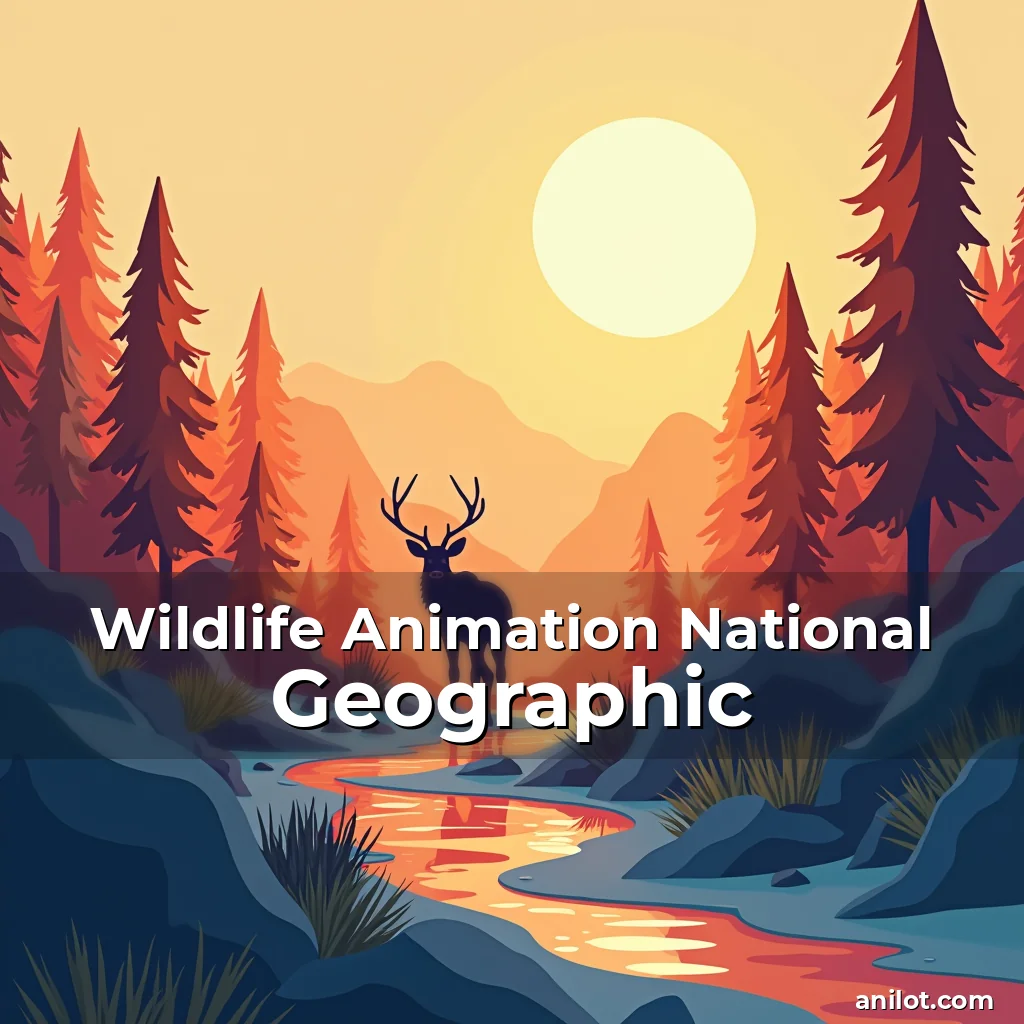
Wildlife Animation National Geographic
In recent years, wildlife animation has emerged as a powerful medium that bridges the gap between education and entertainment. The National Geographic Society has played a pivotal role in advancing this field by merging scientific accuracy with captivating storytelling through animated visuals.
This innovative approach not only engages audiences but also raises awareness about global biodiversity issues. By leveraging cutting-edge technology and creative design principles, animators can bring endangered species and ecosystems back to life in ways never before possible.
The Evolution of Wildlife Animation Technology
From hand-drawn sketches to digital masterpieces, wildlife animation has undergone a remarkable transformation over decades. Early pioneers used simple techniques such as stop-motion and traditional cel animation to depict animals and their environments.
With advancements in computer graphics and motion capture technologies, modern animations now achieve astonishing levels of realism. These innovations allow creators to simulate complex animal behaviors with incredible precision and nuance.
The integration of artificial intelligence further enhances wildlife animations by enabling real-time adjustments based on environmental data inputs. This capability makes educational materials more interactive and scientifically accurate than ever before.
- 3D modeling: Enables precise anatomical representations of various species
- Motion tracking: Captures natural movement patterns for realistic animations
- Virtual reality: Immerses viewers in simulated habitats for enhanced learning experiences
These technological breakthroughs have revolutionized how we perceive and interact with wildlife content. As equipment becomes more accessible, independent animators are also contributing significantly to this growing field.
Pioneering Projects by National Geographic
National Geographic has been at the forefront of developing groundbreaking wildlife animation projects that set industry standards. Their work combines rigorous research methodologies with artistic expression to create compelling visual narratives.
One notable example is their virtual reality documentary series which allows users to explore deep-sea ecosystems from the comfort of their homes. Through immersive experiences, these productions foster deeper connections between humans and nature.
The society frequently collaborates with leading zoologists and conservationists during project development stages. This interdisciplinary approach ensures that every frame contains both aesthetic appeal and factual integrity.
Case Study: African Savanna Ecosystem Simulation
A detailed examination of National Geographic’s savanna simulation reveals fascinating technical achievements. Using high-resolution satellite imagery combined with AI-driven behavioral algorithms, they created an ecosystem model containing over 50 different species interactions.
This project required extensive fieldwork where researchers spent months observing actual animal behavior patterns. Such dedication results in animations that feel authentic rather than artificially constructed.
The simulation includes dynamic weather systems that affect animal migration routes and feeding habits realistically. This level of complexity helps scientists predict ecological changes under different climate scenarios.
Educational Impact of Wildlife Animations
Animated documentaries play a crucial role in making complex biological processes understandable for diverse audiences. They transform abstract scientific theories into tangible visual experiences that resonate emotionally with viewers.
School curricula increasingly incorporate wildlife animations as teaching tools due to their ability to simplify intricate topics without losing essential information. Younger generations benefit particularly from these visually rich learning resources.
Interactive elements within many animations encourage active participation rather than passive consumption. Features like zoom functions and hidden annotations enhance viewer engagement while promoting critical thinking skills.
Studies show that students exposed to well-designed wildlife animations demonstrate better retention rates compared to those using conventional textbooks alone. This suggests a strong correlation between multimedia learning approaches and academic performance improvements.
Cultural Significance and Conservation Awareness
Beyond mere entertainment value, wildlife animations serve as vital instruments for raising public consciousness regarding pressing environmental challenges. They provide platforms to discuss sensitive issues related to habitat destruction and climate change impacts.
Through emotionally resonant storytelling techniques, these animations cultivate empathy towards threatened species and their precarious situations. Viewers often report feeling motivated to take action after experiencing impactful narratives.
The power of visual media lies in its capacity to transcend language barriers. Animated films reach global audiences effectively communicating messages about sustainability practices and responsible tourism initiatives.
Many organizations use these animations as outreach tools during international conferences focused on environmental policy discussions. Visual demonstrations help bridge gaps between policymakers and grassroots activists working toward common goals.
Challenges Facing Wildlife Animators Today
Createing accurate wildlife animations presents numerous technical hurdles that require constant innovation. Achieving lifelike textures on fur-covered mammals remains one of the most persistent challenges despite significant advances in rendering software.
Simulating realistic movement patterns requires meticulous attention to biomechanics details that might be overlooked by casual observers. Even small inaccuracies can compromise the overall authenticity of the final product.
Data collection poses another challenge since continuous monitoring of wild populations is often difficult due to ethical considerations surrounding human interference with natural habitats.
Animators must balance artistic license with scientific responsibility when depicting rare or undocumented species accurately representing them without infringing upon any existing protections laws governing wildlife portrayal.
Futuristic Trends Shaping Wildlife Animation Industry
Emerging technologies promise exciting developments that could redefine what’s possible in wildlife animation production methods. Augmented reality applications offer new avenues for blending virtual creatures seamlessly into real-world environments.
Advances in neural networks may soon enable fully autonomous generation of wildlife sequences based solely on textual descriptions provided by researchers or writers involved in content creation phases.
Blockchain technology shows potential for securing intellectual property rights while ensuring transparency across collaborative animation projects involving multiple stakeholders globally.
As remote collaboration tools become more sophisticated, cross-border partnerships among animators will likely increase significantly creating more culturally diverse perspectives represented in future works.
The Role of Community Engagement in Wildlife Animation
Engaging local communities proves essential for creating meaningful wildlife animations that reflect regional biodiversity accurately. Involving indigenous knowledge holders enriches storytelling traditions preserving cultural heritage alongside ecological wisdom passed down through generations.
Workshops held by institutions like National Geographic empower aspiring artists with necessary skills while simultaneously educating participants about conservation values embedded within each animation piece produced locally.
Digital platforms facilitate wider distribution reaching previously underserved regions allowing broader access to quality educational content regardless of geographical limitations faced by some populations today.
Collaborative online spaces encourage ongoing dialogue between professionals and enthusiasts fostering collective growth opportunities benefiting everyone invested in advancing wildlife animation fields sustainably.
Conclusion
Wildlife animation represents an extraordinary convergence of artistry, science, and technology offering unprecedented opportunities for understanding our planet’s delicate web of life.
To continue exploring this fascinating intersection of disciplines, consider supporting educational programs dedicated to nurturing young talents passionate about bringing wildlife stories to life through animation mediums.

news is a contributor at AniLot.com. We are committed to providing well-researched, accurate, and valuable content to our readers.
You May Also Like
About the Author
Related Articles
Animation for Kids Learning
Animating Adventures: Fun & Educational Animation for Kids In today’s digital age, animation has become…
Wildlife Animation Conservation Messages
Wildlife Animation Conservation Messages In today’s digital age, wildlife animation has emerged as a powerful…
Best Animated Movies 2025
The Timeless Magic of Animated Movies: A Journey Through Artistry and Imagination In a world…