
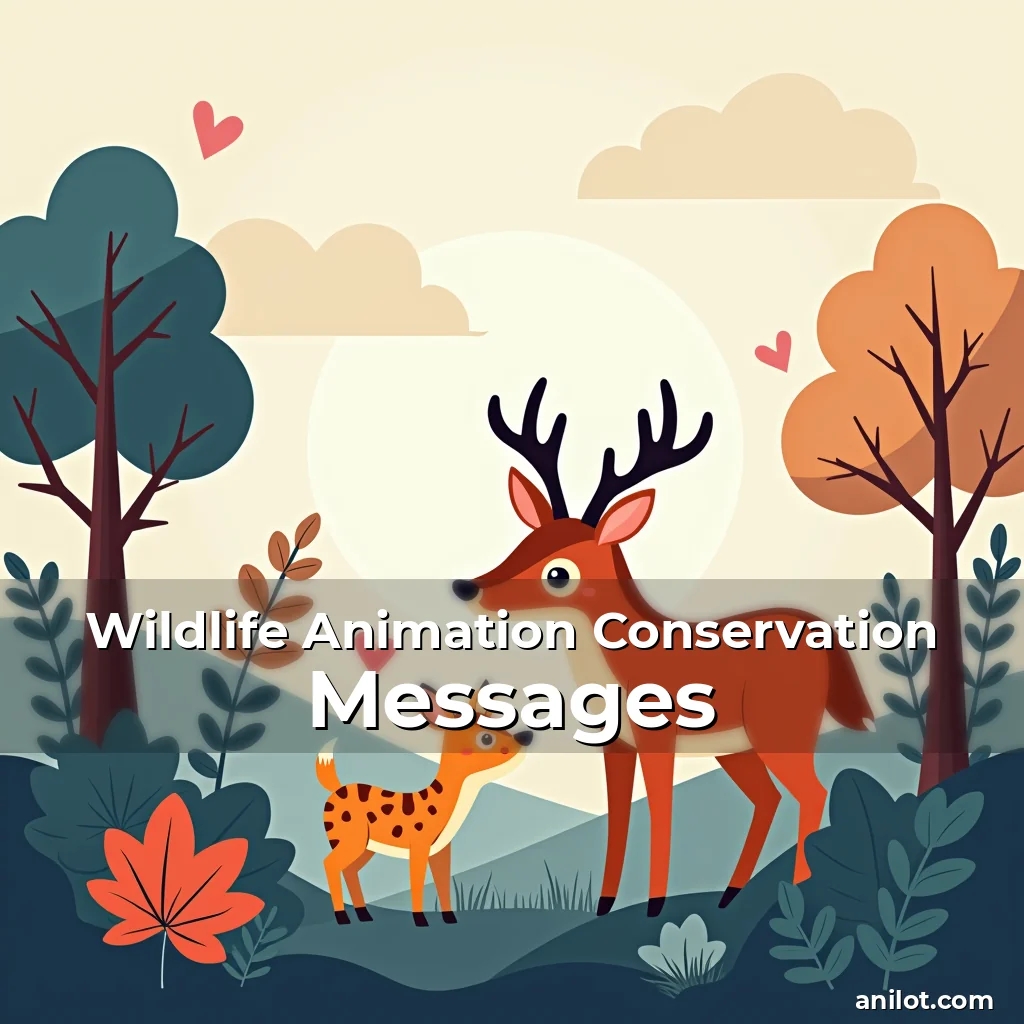
Wildlife Animation Conservation Messages
In today’s digital age, wildlife animation has emerged as a powerful medium to spread awareness about conservation efforts. By blending creativity with ecological messages, animators are crafting stories that resonate deeply with audiences worldwide.
The art of transforming real-world animals into animated characters not only captivates but also educates viewers on the importance of preserving our planet’s biodiversity. This fusion of entertainment and education is shaping new ways to engage communities in environmental stewardship.
The Role of Wildlife Animation in Environmental Advocacy
Animators use their craft to highlight pressing issues such as habitat destruction and climate change through visually compelling narratives. These animations often serve as storytelling tools that simplify complex scientific concepts into digestible formats.
By creating relatable animal protagonists, animators foster emotional connections between viewers and endangered species. This connection can translate into tangible support for conservation initiatives when properly executed.
The visual nature of animation makes it particularly effective for reaching younger demographics who may be less responsive to traditional educational methods. Schools and museums increasingly incorporate these animated pieces into their curricula and exhibits.
Crafting Authentic Animal Characters
A successful wildlife animation relies heavily on accurate depictions of animal behavior and anatomy. Animators must conduct extensive research to ensure their portrayals remain both entertaining and scientifically sound.
Consultations with biologists and ecologists help maintain authenticity while allowing creative liberties necessary for storytelling purposes. This balance ensures that educational value does not overshadow artistic expression.
- Biological accuracy: Properly depicting movement patterns, feeding habits, and social behaviors enhances realism without compromising narrative flow.
- Ethical considerations: Avoiding anthropomorphism that could distort natural behaviors helps preserve the integrity of the message being conveyed.
Technological Advancements Driving Innovation
Advances in computer graphics have revolutionized how wildlife animations are produced. High-resolution textures, realistic lighting effects, and dynamic physics simulations now allow for unprecedented levels of immersion.
Virtual reality integration enables immersive experiences where users can explore ecosystems from an animal’s perspective. This technology fosters deeper understanding by placing individuals within simulated environments they might never visit physically.
Artificial intelligence applications assist in generating lifelike movements and interactions among virtual creatures. Machine learning algorithms analyze vast amounts of behavioral data to create more authentic motion sequences.
Telling Compelling Conservation Stories
Narrative structure plays a crucial role in conveying conservation messages effectively. Well-crafted story arcs help audiences connect emotionally with the challenges faced by various species.
Character development allows viewers to form attachments to individual animals, making abstract threats feel personal and urgent. When done right, these stories inspire action rather than simply informing listeners.
The pacing of these animations carefully balances dramatic tension with factual information delivery. Maintaining viewer engagement requires strategic placement of both narrative progression and educational content.
The Impact on Public Perception and Behavior
Studies show that exposure to wildlife animations significantly increases public interest in conservation topics. Animated documentaries often achieve higher viewership rates compared to their live-action counterparts.
This increased engagement translates into measurable changes in consumer behavior, including greater support for eco-friendly products and participation in citizen science projects. Social media sharing further amplifies these impacts exponentially.
Schools report improved student performance in biology classes after incorporating wildlife animations into teaching materials. The interactive nature of many animations facilitates better retention of key concepts.
Fostering Global Collaboration Through Animation
International co-productions bring together diverse perspectives on global conservation challenges. Cross-cultural collaborations result in richer narratives that reflect shared values across different societies.
Digital distribution platforms enable instant access to wildlife animations worldwide. This accessibility promotes cross-border conversations about environmental protection strategies and successes.
Animation festivals dedicated to conservation themes provide networking opportunities for professionals committed to merging artistry with activism. These events showcase innovative approaches to environmental messaging.
Challenges Facing Wildlife Animation Creators
Limited funding remains a significant barrier for independent creators seeking to produce high-quality conservation-focused animations. Securing financial backing often depends on demonstrating clear educational impact metrics.
There exists a fine line between raising awareness and sensationalizing tragic aspects of wildlife loss. Responsible storytelling requires careful consideration of what messages will most effectively drive positive change.
Keeping up with rapidly evolving technologies demands continuous investment in software training and hardware upgrades. Staying competitive in the industry requires ongoing professional development.
The Future of Wildlife Animation
Ongoing technological advancements promise even more immersive and interactive wildlife experiences in the coming years. Augmented reality features could soon transform static animations into fully interactive learning modules.
Collaboration between artists and scientists will continue to evolve, producing content that bridges knowledge gaps between academic research and public understanding. This synergy ensures that animations remain grounded in scientific fact while remaining artistically compelling.
The rise of user-generated content platforms presents new avenues for grassroots conservation messaging. Crowdsourced animations offer fresh perspectives that challenge conventional storytelling approaches.
Conclusion
Wildlife animation stands at the intersection of art, technology, and environmental advocacy. Its ability to educate and inspire makes it an invaluable tool in modern conservation efforts.
As we move forward, continued innovation and collaboration will determine how effectively these animated messages reach and influence global audiences. Supporting this growing field promises lasting benefits for both wildlife preservation and human understanding of our interconnected world.

news is a contributor at AniLot.com. We are committed to providing well-researched, accurate, and valuable content to our readers.
You May Also Like

About the Author
Related Articles
Animated Animal Content Marketing
The Endless Appeal of Animated Animal Characters in Modern Media In an era dominated by…
Animal Animation Trends Studios
The Evolution and Future of Animal Character Animation: A Deep Dive into Modern Trends In…
Selling Digital Animal Art
Selling Digital Animal Art: A Strategic Guide for Artists and Collectors Digital animal art has…