
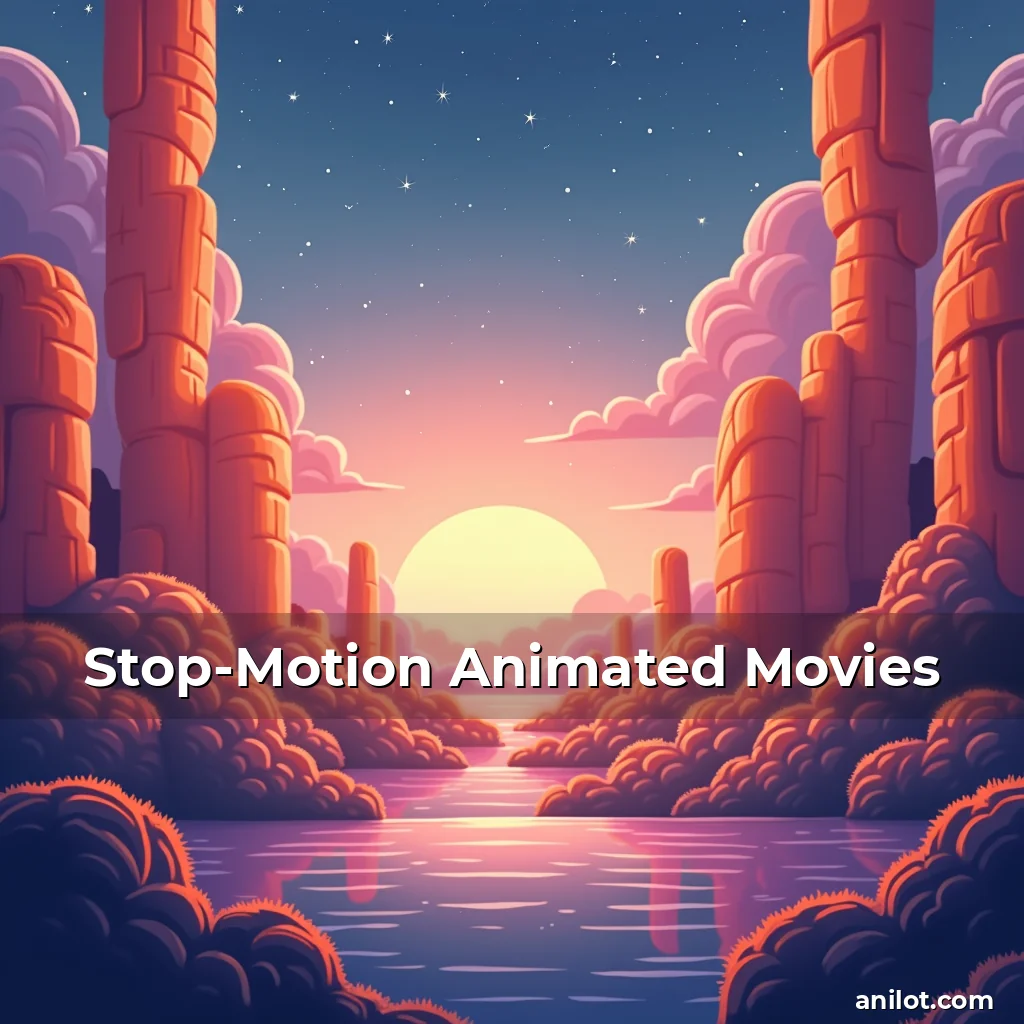
The Enchanting World of Stop-Motion Animation: A Journey Through Timeless Craftsmanship
Step into the whimsical realm where puppets come alive, sets are meticulously crafted by hand, and every frame tells a story.
Stop-motion animation is not merely an art form; it’s a labor-intensive dance between imagination and physicality. From the earliest days of silent films to modern blockbusters, this technique has captivated audiences worldwide, offering a unique blend of nostalgia and innovation that few other mediums can replicate.
A Historical Tapestry Woven With Clay and Film
While stop-motion techniques date back to the late 19th century, their true artistic potential began unfolding in the early 20th century when filmmakers experimented with moving objects in front of cameras. The first animated film featuring stop-motion was L’Homme à la Camera by Émile Cohl in 1908, though it primarily used pencil drawings rather than tangible props.
True mastery of stop-motion emerged during the golden age of Hollywood in the 1920s and ’30s. Ladislas Starevich’s Prix de Beauté from 1912 showcased insects battling each other, while Lotte Reiniger created silhouette animations that mesmerized viewers with intricate cut-out figures against painted backgrounds.
- Insects at War: Starevich’s pioneering work demonstrated how small creatures could become epic characters through meticulous puppetry.
- Silhouettes of Dreams: Reiniger’s paper-cut animations brought fairy tales to life with elegance and simplicity, influencing generations of animators.
By the time Ray Harryhausen revolutionized fantasy cinema in the mid-century, stop-motion had evolved beyond mere novelty into a powerful storytelling device capable of bringing mythical beasts to vivid life within dramatic narratives.
Mechanics Behind Magic: How Stop-Motion Works
At its core, stop-motion relies on capturing individual still images of manipulated objects and then playing them sequentially to create motion illusion. This process requires precision, patience, and technological advancements over decades to refine efficiency without losing authenticity.
Animators use specialized rigs called armatures—metal frameworks inside models—to enable articulated movement. These allow subtle facial expressions and full-body gestures essential for conveying emotion effectively across frames.
Digital technology hasn’t replaced traditional methods entirely but has enhanced them significantly. Software tools now help track movements automatically, reducing manual workload while preserving the tactile nature central to stop-motion aesthetics.
Evolving Tools & Techniques Across Eras
Early practitioners relied solely on mechanical devices like the Zoopraxiscope and Kinetoscope, which projected sequences onto screens via rotating discs or strips of celluloid coated with painted scenes.
As color photography became feasible post-WWII, studios adopted Technicolor processes allowing richer visuals. However, these innovations often required expensive equipment accessible only to well-funded productions.
Modern digital workflows integrate 3D printing for rapid prototyping, enabling faster iterations during production phases. Simultaneously, software plugins let artists manipulate lighting effects dynamically without needing physical setups on set.
Iconic Franchises That Defined Generations
Several franchises have left indelible marks upon both cinematic history and popular culture thanks largely to their innovative application of stop-motion principles.
Warner Bros.’ Looney Tunes: Created initially as theatrical shorts starring Bugs Bunny, Daffy Duck, and others, they introduced comedic timing unmatched by any medium before or since. Their influence extended far beyond cartoons themselves, shaping humor styles globally.
Studio Ghibli’s Contributions: Though known predominantly for cel animation, Studio Ghibli occasionally dabbled in stop-motion elements adding depth and texture unseen elsewhere in Japanese animation traditions.
Nickelodeon’s SpongeBob SquarePants: Despite being computer-animated, its surrealism echoes classic stop-motion sensibilities seen in earlier works, proving stylistic influences transcend technical limitations.
Cultural Impact And Nostalgia Factor
The allure of stop-motion lies partly in its inherent craftsmanship—each piece built painstakingly by artisans who pour heart into every minute detail visible under scrutiny.
Families cherish classics like Wallace & Gromit because they represent shared memories formed around firesides watching beloved characters navigate humorous dilemmas together safely amidst flickering flames.
Kids today may never see handmade puppets move before their eyes firsthand anymore due to digital dominance, yet familiarity breeds fondness even among younger demographics exposed mainly through streaming services nowadays.
Renaissance In Contemporary Cinema
Recent years witnessed renewed interest in physically-based filmmaking fueled partly by nostalgia but also driven by desire for distinct visual identities differentiating current output from ubiquitous CGI-heavy fare.
Projects like Isle of Dogs (2018) blended live-action shots seamlessly with stop-motion environments, creating immersive worlds that felt simultaneously fantastical and grounded in reality.
Beyond mainstream successes lie independent efforts pushing boundaries further such as Shaun the Sheep Movie exploring animal-centric stories through charmingly simple means emphasizing joy found within everyday experiences.
Educational Value And Creative Freedom
Learning stop-motion animation fosters skills ranging from fine motor coordination to narrative structuring abilities crucial later in careers spanning various creative fields including game design or graphic arts industries.
Art schools increasingly incorporate stop-motion units alongside digital courses recognizing value placed upon understanding foundational mechanics underlying complex animations produced today.
Youths experimenting independently gain confidence through immediate results achievable simply by filming incremental changes made manually without requiring coding expertise typically demanded elsewhere within tech sectors.
Future Prospects For Physical Animation
Despite predictions suggesting decline amid rise of AI-generated visuals, many believe coexistence remains possible especially considering niche markets valuing human touch above algorithmic perfection.
Virtual reality platforms might soon merge physical elements digitally augmenting real-world interactions providing fresh avenues experimentation previously unimagined despite initial skepticism surrounding hybrid approaches.
Collaboration between traditionalists embracing new technologies promises exciting developments bridging generational gaps ensuring continued relevance even amidst rapidly changing landscapes defining entertainment sector broadly speaking.
Conclusion
From humble beginnings rooted deeply within experimental filmmaking circles up until present day where global recognition spans across multiple continents, stop-motion animation stands testament to enduring power held firmly within hands crafting wonders frame-by-frame.
Whether you’re drawn towards mastering artisanal techniques yourself or merely appreciating beauty found behind each carefully moved prop, there exists infinite possibilities awaiting exploration anytime one chooses to step closer toward understanding what makes this magical genre truly special.
“`
The Enchanting World of Stop-Motion Animation: A Journey Through Timeless Craftsmanship
Step into the whimsical realm where puppets come alive, sets are meticulously crafted by hand, and every frame tells a story.
Stop-motion animation is not merely an art form; it’s a labor-intensive dance between imagination and physicality. From the earliest days of silent films to modern blockbusters, this technique has captivated audiences worldwide, offering a unique blend of nostalgia and innovation that few other mediums can replicate.
A Historical Tapestry Woven With Clay and Film
While stop-motion techniques date back to the late 19th century, their true artistic potential began unfolding in the early 20th century when filmmakers experimented with moving objects in front of cameras. The first animated film featuring stop-motion was L’Homme à la Camera by Émile Cohl in 1908, though it primarily used pencil drawings rather than tangible props.
True mastery of stop-motion emerged during the golden age of Hollywood in the 1920s and ’30s. Ladislas Starevich’s Prix de Beauté from 1912 showcased insects battling each other, while Lotte Reiniger created silhouette animations that mesmerized viewers with intricate cut-out figures against painted backgrounds.
- Insects at War: Starevich’s pioneering work demonstrated how small creatures could become epic characters through meticulous puppetry.
- Silhouettes of Dreams: Reiniger’s paper-cut animations brought fairy tales to life with elegance and simplicity, influencing generations of animators.
By the time Ray Harryhausen revolutionized fantasy cinema in the mid-century, stop-motion had evolved beyond mere novelty into a powerful storytelling device capable of bringing mythical beasts to vivid life within dramatic narratives.
Mechanics Behind Magic: How Stop-Motion Works
At its core, stop-motion relies on capturing individual still images of manipulated objects and then playing them sequentially to create motion illusion. This process requires precision, patience, and technological advancements over decades to refine efficiency without losing authenticity.
Animators use specialized rigs called armatures—metal frameworks inside models—to enable articulated movement. These allow subtle facial expressions and full-body gestures essential for conveying emotion effectively across frames.
Digital technology hasn’t replaced traditional methods entirely but has enhanced them significantly. Software tools now help track movements automatically, reducing manual workload while preserving the tactile nature central to stop-motion aesthetics.
Evolving Tools & Techniques Across Eras
Early practitioners relied solely on mechanical devices like the Zoopraxiscope and Kinetoscope, which projected sequences onto screens via rotating discs or strips of celluloid coated with painted scenes.
As color photography became feasible post-WWII, studios adopted Technicolor processes allowing richer visuals. However, these innovations often required expensive equipment accessible only to well-funded productions.
Modern digital workflows integrate 3D printing for rapid prototyping, enabling faster iterations during production phases. Simultaneously, software plugins let artists manipulate lighting effects dynamically without needing physical setups on set.
Iconic Franchises That Defined Generations
Several franchises have left indelible marks upon both cinematic history and popular culture thanks largely to their innovative application of stop-motion principles.
Warner Bros.’ Looney Tunes: Created initially as theatrical shorts starring Bugs Bunny, Daffy Duck, and others, they introduced comedic timing unmatched by any medium before or since. Their influence extended far beyond cartoons themselves, shaping humor styles globally.
Studio Ghibli’s Contributions: Though known predominantly for cel animation, Studio Ghibli occasionally dabbled in stop-motion elements adding depth and texture unseen elsewhere in Japanese animation traditions.
Nickelodeon’s SpongeBob SquarePants: Despite being computer-animated, its surrealism echoes classic stop-motion sensibilities seen in earlier works, proving stylistic influences transcend technical limitations.
Cultural Impact And Nostalgia Factor
The allure of stop-motion lies partly in its inherent craftsmanship—each piece built painstakingly by artisans who pour heart into every minute detail visible under scrutiny.
Families cherish classics like Wallace & Gromit because they represent shared memories formed around firesides watching beloved characters navigate humorous dilemmas together safely amidst flickering flames.
Kids today may never see handmade puppets move before their eyes firsthand anymore due to digital dominance, yet familiarity breeds fondness even among younger demographics exposed mainly through streaming services nowadays.
Renaissance In Contemporary Cinema
Recent years witnessed renewed interest in physically-based filmmaking fueled partly by nostalgia but also driven by desire for distinct visual identities differentiating current output from ubiquitous CGI-heavy fare.
Projects like Isle of Dogs (2018) blended live-action shots seamlessly with stop-motion environments, creating immersive worlds that felt simultaneously fantastical and grounded in reality.
Beyond mainstream successes lie independent efforts pushing boundaries further such as Shaun the Sheep Movie exploring animal-centric stories through charmingly simple means emphasizing joy found within everyday experiences.
Educational Value And Creative Freedom
Learning stop-motion animation fosters skills ranging from fine motor coordination to narrative structuring abilities crucial later in careers spanning various creative fields including game design or graphic arts industries.
Art schools increasingly incorporate stop-motion units alongside digital courses recognizing value placed upon understanding foundational mechanics underlying complex animations produced today.
Youths experimenting independently gain confidence through immediate results achievable simply by filming incremental changes made manually without requiring coding expertise typically demanded elsewhere within tech sectors.
Future Prospects For Physical Animation
Despite predictions suggesting decline amid rise of AI-generated visuals, many believe coexistence remains possible especially considering niche markets valuing human touch above algorithmic perfection.
Virtual reality platforms might soon merge physical elements digitally augmenting real-world interactions providing fresh avenues experimentation previously unimagined despite initial skepticism surrounding hybrid approaches.
Collaboration between traditionalists embracing new technologies promises exciting developments bridging generational gaps ensuring continued relevance even amidst rapidly changing landscapes defining entertainment sector broadly speaking.
Conclusion
From humble beginnings rooted deeply within experimental filmmaking circles up until present day where global recognition spans across multiple continents, stop-motion animation stands testament to enduring power held firmly within hands crafting wonders frame-by-frame.
Whether you’re drawn towards mastering artisanal techniques yourself or merely appreciating beauty found behind each carefully moved prop, there exists infinite possibilities awaiting exploration anytime one chooses to step closer toward understanding what makes this magical genre truly special.
“`

news is a contributor at AniLot.com. We are committed to providing well-researched, accurate, and valuable content to our readers.
You May Also Like

About the Author
Related Articles
Action Animal Animation Films
The Enchanting World of Action-Packed Animal Animation Films In recent years, the realm of animal…

Animated Movies Box Office Hits
The Magic Behind Animated Movie Success: A Deep Dive Into Hollywood’s Most Profitable Franchises In…
Top Animal Animation Films All-Time
The Artistry of Animal Animations: A Journey Through Timeless Motion Pictures In the world of…