
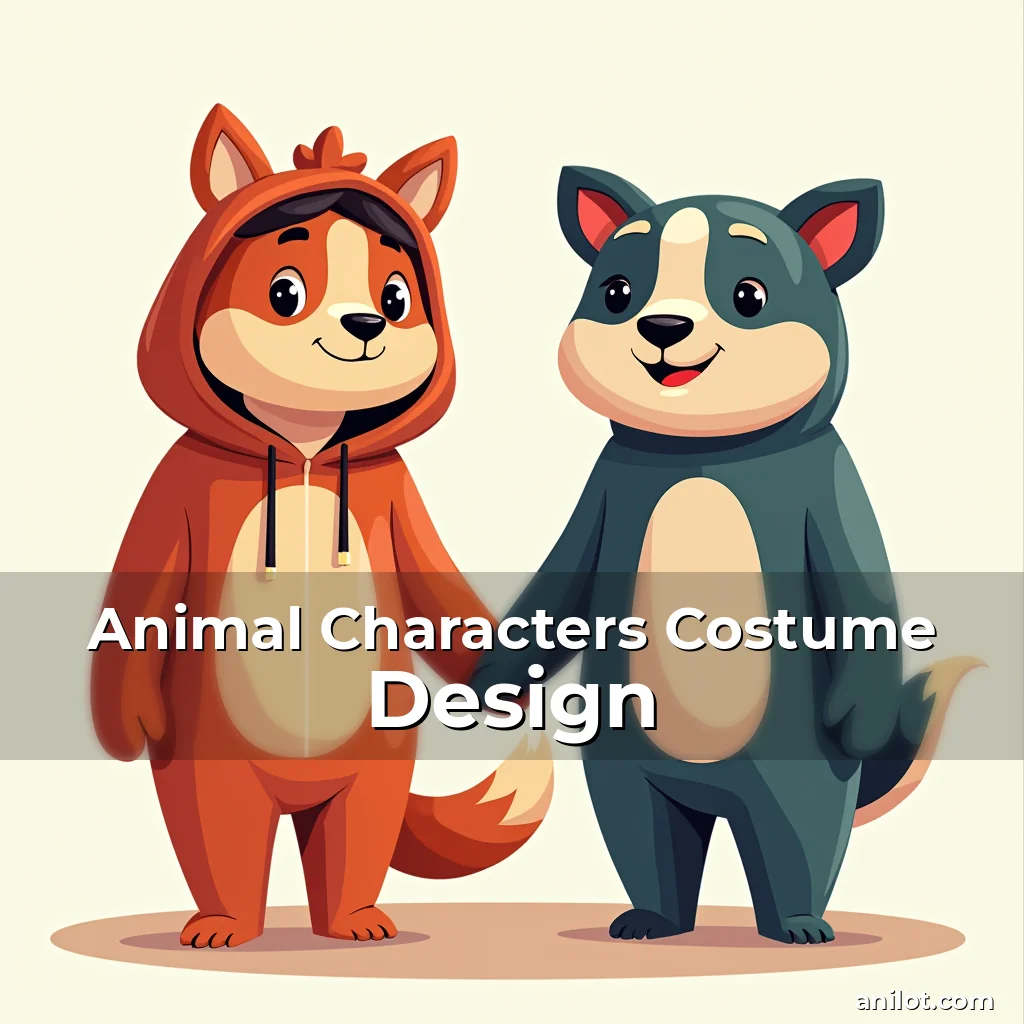
The Enchanting World of Animal Character Creation: A Deep Dive into Storytelling Through Nature’s Creatures
In a world where imagination knows no bounds, animal characters have long held a special place in human culture. From ancient cave paintings depicting fierce beasts to modern animated films bringing anthropomorphic animals to life, these creatures serve as powerful symbols across various mediums.
This exploration delves into the fascinating realm of creating compelling animal characters, examining their role in storytelling, design principles, cultural significance, and contemporary adaptations. Whether you’re an artist seeking inspiration or simply curious about the magic behind beloved animal figures, this journey promises to reveal new perspectives on nature’s most captivating storytellers.
The Evolution of Animal Characters Across Cultures
Cross-cultural analysis reveals that animal symbolism has existed since prehistoric times. Early humans depicted animals on cave walls not only for practical reasons but also to represent spiritual beliefs and natural forces.
Archaeological findings from Lascaux Cave in France show how early artists used precise brushwork techniques to capture the essence of wild animals. These depictions often emphasized particular features – elongated necks for giraffes, muscular builds for predators – suggesting intentional artistic choices rather than mere documentation.
As civilizations developed, so did the complexity of animal representations. Ancient Egyptians revered cats as sacred beings while Mesopotamians associated lions with divine power. In Chinese mythology, dragons are often portrayed with serpentine bodies combined with elements from various animals.
- Spiritual Significance: Many cultures attribute symbolic meanings to different species, influencing character development in art and literature
- Ethical Considerations: Contemporary creators must be mindful of cultural sensitivities when incorporating traditional animal motifs
- Evolutionary Insights: Studying historical portrayals can provide clues about past environmental conditions and societal values
Design Principles for Creating Memorable Animal Characters
Successful animal character creation requires understanding both biological accuracy and creative license. Artists must balance anatomical correctness with expressive potential to create relatable yet imaginative forms.
Proportion adjustments play a crucial role in making characters appealing. While realistic proportions might work for educational purposes, stylized versions enhance visual interest and emotional impact. For instance, cartoonish enlargements of eyes make characters appear more expressive.
Color selection is another vital aspect. Natural color schemes help maintain credibility, but strategic deviations can emphasize personality traits. Brighter hues might indicate energy or friendliness, while muted tones could suggest wisdom or caution.
Anatomical Accuracy vs Expressive Freedom
Studies show that audiences respond differently to varying degrees of realism in animal characters. Research by the University of California found that children aged 6-8 showed greater engagement with semi-realistic characters compared to highly abstract ones.
This suggests that successful designs often fall within a middle ground between complete realism and pure abstraction. The key lies in maintaining recognizable features while allowing sufficient flexibility for expression and characterization.
For example, Disney’s Bambi maintains deer-like characteristics while adding subtle human-like expressions through eye placement and posture. This approach allows viewers to connect emotionally without losing identification with the animal form.
The Psychological Impact of Animal Characters in Media
Psychologists note that our affinity for animal characters stems from evolutionary roots. Humans naturally feel drawn to creatures with similar physical structures, fostering subconscious connections.
Anthropomorphism – attributing human qualities to non-human entities – plays a significant role in character appeal. When we see an animal displaying emotions or problem-solving skills, it triggers mirror neuron activity in our brains, enhancing empathy.
This phenomenon explains why stories featuring animal protagonists resonate deeply with audiences. They allow us to explore complex themes through familiar frameworks, reducing cognitive dissonance during narrative immersion.
Cultural Symbolism and Its Influence on Character Development
Different societies imbue specific animals with distinct meanings, shaping how they’re represented in narratives. Understanding these associations helps creators craft culturally resonant characters.
In Western traditions, wolves often symbolize danger or wilderness, whereas in some Native American cultures they represent family loyalty and strength. Such differences highlight the importance of thorough research before developing characters inspired by real-world counterparts.
Celebrating biodiversity through accurate representation can foster appreciation for wildlife conservation efforts. Well-researched characters can subtly educate audiences about ecological issues without being overtly didactic.
Technological Advancements in Animal Character Animation
Modern animation techniques have revolutionized how animal characters are brought to life. Computer-generated imagery now allows for unprecedented levels of detail and movement fidelity.
Motion capture technology enables animators to translate live-action performances into digital characters with remarkable precision. This method was pivotal in creating lifelike movements for films like “The Lion King” remake and “Zootopia.”
Voice acting remains essential even in CGI-heavy productions. Skilled voice actors bring depth to characters through tonal variations, pacing, and emotional inflection, making them more relatable despite their non-human appearances.
Virtual Reality and Interactive Experiences
Emerging technologies are expanding possibilities for immersive encounters with animal characters. Virtual reality platforms now offer interactive experiences where users can engage with digitally created animals in simulated environments.
These innovations open doors for therapeutic applications, such as using virtual animal companionship to aid individuals with social anxiety or PTSD. Researchers at Stanford University have explored VR-based interventions involving animal avatars showing promising results.
Interactive games featuring intelligent AI-driven animal characters present new challenges and opportunities for developers. Balancing gameplay mechanics with believable animal behavior requires careful programming and testing.
Educational Applications of Animal Characters
Animal characters serve as effective tools for teaching diverse subjects ranging from biology to ethics. Their inherent fascination makes learning more engaging for students of all ages.
In science education, personified animals can illustrate complex concepts through relatable scenarios. For example, a story about a squirrel learning about seed dispersal can teach botany fundamentals in an accessible way.
Beyond academic settings, animal characters promote moral development. Fables featuring clever foxes or wise owls encourage critical thinking about right and wrong actions.
The Future of Animal Character Creation
Ongoing advancements in artificial intelligence promise exciting developments in character generation. Machine learning algorithms may soon enable automated creation of unique animal personas tailored to specific needs.
Potential applications range from personalized entertainment experiences to advanced educational software capable of adapting narratives based on user interactions. Ethical considerations regarding AI-generated characters remain an active area of discussion among technologists and ethicists alike.
Biomechanics research continues pushing boundaries in character motion simulation. Scientists studying animal locomotion patterns contribute invaluable data that informs more authentic digital representations.
Conclusion
The enduring popularity of animal characters reflects humanity’s deep-seated connection with the natural world. Through centuries of artistic evolution, these creatures have become vessels for conveying universal truths and cultural narratives.
Whether appearing in ancient carvings or cutting-edge animations, animal characters continue to captivate audiences worldwide. As we look toward future innovations, their ability to bridge the gap between fantasy and reality ensures their lasting relevance in storytelling and beyond.

news is a contributor at AniLot.com. We are committed to providing well-researched, accurate, and valuable content to our readers.
You May Also Like


About the Author
Related Articles
Animation For Kids Strategies and Implementation
The Magic of Animation: A Gateway to Creativity and Learning for Kids In today’s digital…
Animation for Kids vs Teen
The Magical World of Animation: Bridging Creativity Between Kids and Teens Animation has long been…
Animated Wildlife Stories vs Documentaries
The Magic of Animated Wildlife Stories: Bridging Nature and Imagination In a world where digital…