
The Enchanting World of Animal Characters Through History and Culture
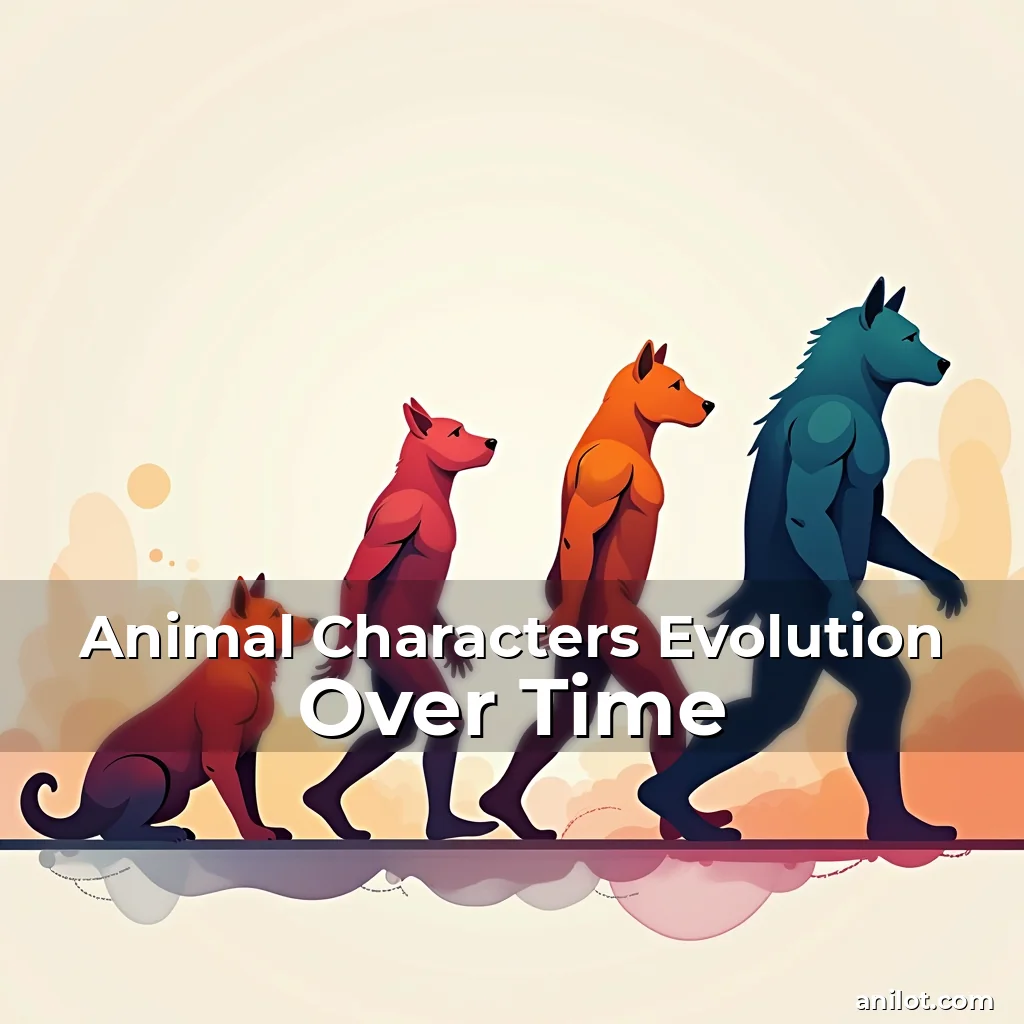
In every corner of human civilization, animal characters have played pivotal roles as symbols, storytellers, and companions. From ancient cave paintings depicting majestic beasts to modern animated films featuring anthropomorphic animals, these creatures have continuously evolved alongside us.
Their presence spans across cultures, epochs, and media forms, offering insight into our collective psyche while reflecting societal values through time. This exploration delves deep into their journey from mythological figures to beloved mascots shaping global pop culture today.
The Origins of Animal Symbolism in Ancient Civilizations
Long before written language emerged, early humans used animal imagery to express complex ideas about nature and existence. Cave paintings discovered in Lascaux, France, showcase lions, bulls, and horses rendered with remarkable skill using natural pigments.
These prehistoric artworks reveal how humans perceived power dynamics within ecosystems. The repeated depiction of certain species suggests they held special significance beyond mere sustenance value during the Paleolithic era.
Animals also featured prominently in religious rituals across different continents. In Mesopotamian mythology, the lion was associated with divine authority while Egyptian hieroglyphs incorporated felines as guardians against evil forces.
Celtic tribes believed that each animal carried unique spiritual attributes. Their intricate metalwork often depicted stags representing wisdom and serpents symbolizing transformation through shedding old skin.
- Lions: Frequently portrayed as regal protectors in both Greek and Roman iconography, signifying strength and courage.
- Eagles: Used by various empires including Assyrian and Persian, they embodied imperial might and visionary leadership qualities.
- Rabbits: Associated with fertility goddesses such as Eostre in Germanic traditions who later influenced Easter celebrations worldwide.
Medieval Bestiaries and Moral Lessons
During the Middle Ages, illuminated manuscripts known as bestiaries became popular educational tools blending zoology with moral instruction. These books categorized animals based on their symbolic meanings rather than scientific accuracy.
Parchment pages were meticulously decorated with gold leaf detailing fantastical creatures like unicorns and phoenixes alongside real-life fauna. Each entry explained allegorical interpretations meant to guide Christian behavior at the time.
For example, the unicorn represented Christ’s purity while the pelican feeding its young with blood from self-inflicted wounds mirrored Jesus’ sacrifice on the cross. Such associations reinforced theological teachings through visual storytelling.
The beaver appeared frequently due to its industriousness being seen as a virtue worthy of emulation by monks engaged in monastic labor. This connection between animal traits and human virtues remained influential well into Renaissance periods.
Folklore Creatures Across Cultures
Tales passed down through generations feature mythical hybrids combining features from different species. Japanese yokai include kitsune (fox spirits) capable of shape-shifting and possessing supernatural intelligence.
In Norse mythology, Jörmungandr – the world serpent – encircles Earth so tightly that its tail touches its mouth, creating a cosmic balance according to prophetic visions recorded in the Poetic Edda.
African folklore tells stories of Anansi, a spider trickster whose cleverness helps him overcome larger adversaries despite his small size. His tales originated among Akan people but spread widely across Caribbean regions through enslaved populations.
These diverse narratives reflect cultural perspectives on morality, survival strategies, and relationships between humans and wildlife throughout history.
The Rise of Anthropomorphism in Literature
As societies progressed, literature began incorporating talking animals as narrative devices long before A.A. Milne created Winnie-the-Pooh. One of earliest examples comes from Aesop’s Fables which date back over two thousand years.
Stories like “The Tortoise and the Hare” used animal protagonists to teach ethical lessons without direct human representation. These parables emphasized virtues such as perseverance and humility through simple yet powerful analogies.
During the Enlightenment period, Jonathan Swift wrote Gulliver’s Travels containing Yahoos – brutish humanoid creatures resembling apes – serving as satirical commentary on human nature itself.
French author Jean de La Fontaine expanded upon Aesopian themes in his own collection of verse fables, maintaining the tradition of using animal metaphors to explore philosophical questions about justice and morality.
Animated Animals in Cinema and Television
The twentieth century witnessed unprecedented growth in portraying animal characters through animation techniques that revolutionized entertainment industries globally. Walt Disney Studios pioneered this movement with Silly Symphonies cartoons starting in 1929.
Famous creations like Mickey Mouse initially had rodent-like characteristics but gradually developed more human expressions over decades. This evolution paralleled advancements in technology enabling increasingly realistic animations.
Modern franchises continue pushing boundaries with CGI rendering allowing lifelike movements previously unattainable. Pixar’s Finding Nemo showcases fish exhibiting emotions similar to human children facing separation anxiety after parental loss.
Television series such as The Lion Guard demonstrate how animated animal teams can convey teamwork principles while promoting conservation messages subtly embedded within adventures.
Psychological Impact and Educational Value
Studies indicate that exposure to friendly animal characters enhances empathy development especially among children learning social skills through role-play scenarios involving pets or farmyard friends.
Therapeutic applications utilize stuffed toys featuring familiar animal faces to help patients articulate feelings safely when discussing difficult topics related to trauma or grief experiences.
Educational programs incorporate cartoon animals explaining biological processes simply enough for young minds grasp abstract concepts like photosynthesis or food chains effectively.
Interactive games featuring virtual pet raising responsibilities teach responsibility aspects comparable to caring for living organisms without actual commitment required.
Contemporary Trends and Future Directions
Recent years have seen increasing diversity reflected in animal character portrayals mirroring broader societal changes regarding inclusivity standards set forth by contemporary audiences seeking authentic representations.
Veterinary science collaborations now inform accurate depictions ensuring physiological behaviors align realistically with species-specific traits rather than relying solely on artistic license alone.
Sustainable practices influence production methods reducing environmental impact caused by traditional costume manufacturing involved in live-action performances utilizing prosthetic animal suits.
Virtual reality platforms offer immersive experiences where users interact directly with digital counterparts mimicking natural habitats enhancing experiential learning opportunities significantly compared to static visuals only.
Conclusion
This overview illustrates how animal characters have transcended mere fantasy elements becoming integral parts of human expression throughout millennia spanning numerous civilizations and creative mediums alike.
From sacred icons guiding moral compasses towards innovative technologies redefining interactive storytelling possibilities, their enduring appeal lies within ability connect emotionally while conveying meaningful messages across generations continually evolving alongside humanity itself.

news is a contributor at AniLot.com. We are committed to providing well-researched, accurate, and valuable content to our readers.
You May Also Like
About the Author
Related Articles
Action Animal Animation Films
The Enchanting World of Action-Packed Animal Animation Films In recent years, the realm of animal…
The Endearing World of Cartoon Animals: A Journey Through Whimsy and Imagination
The Endearing World of Cartoon Animals: A Journey Through Whimsy and Imagination In the vibrant…
Animated Series vs Movies
The Endless Canvas: A Deep Dive Into the World of Animated Series In the ever-evolving…