
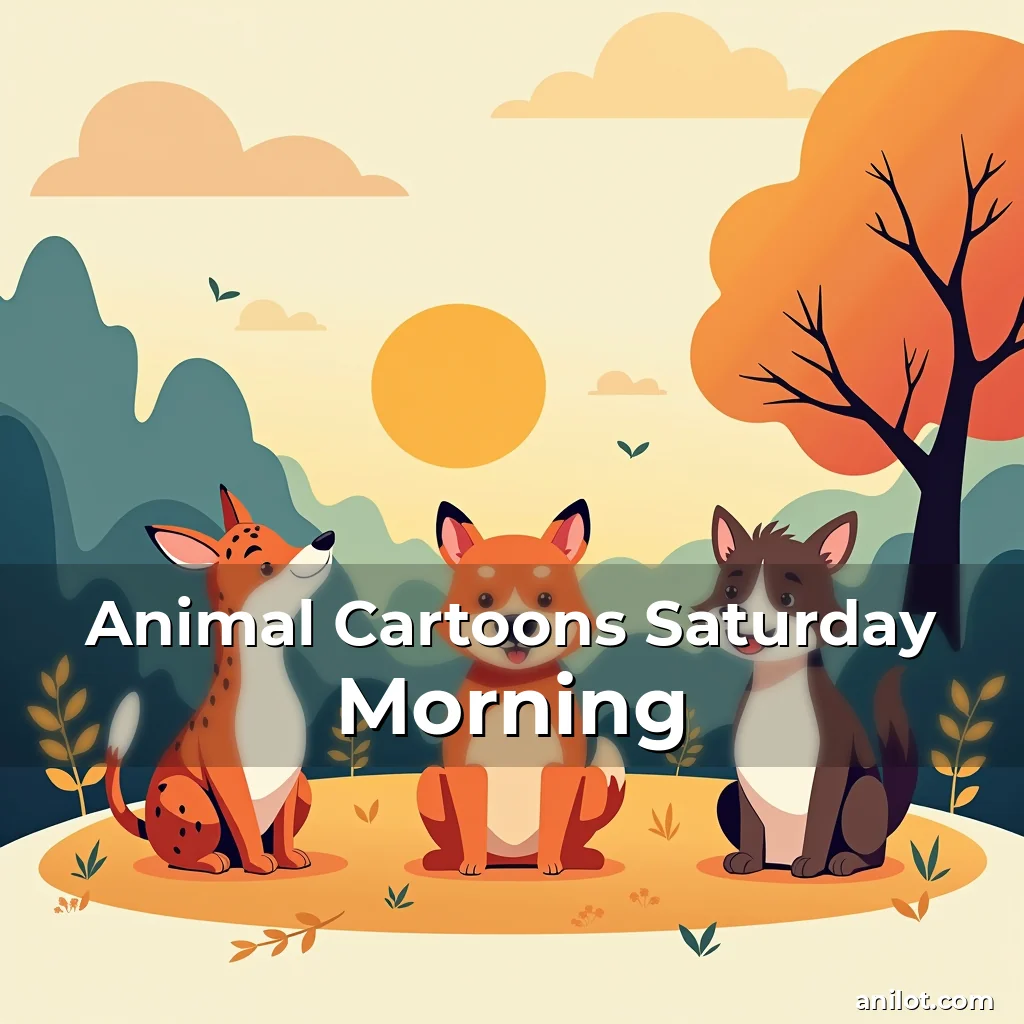
Animal Cartoons Saturday Morning
The world of animal cartoons has captivated generations of viewers, blending humor, adventure, and creativity through the lens of anthropomorphic creatures. From classic staples like *Looney Tunes* to modern hits like *Adventure Time*, animal-centric animated shows continue to thrive across platforms and cultures. These stories often mirror human experiences while offering fresh perspectives shaped by the quirks of their non-human protagonists.
The enduring appeal of animal cartoons lies in their ability to simplify complex themes—love, conflict, growth—through relatable yet fantastical characters. Whether it’s a mischievous raccoon outsmarting a grumpy bear or a talking sloth learning life lessons, these narratives invite audiences to see the world differently. Their universal charm ensures they remain relevant, even in an era dominated by hyper-realistic CGI films.
The Roots of Animal Cartoons: A Historical Journey
The origins of animal cartoons trace back to early 20th-century animation, when creators sought ways to bring motion to still images. Pioneers like Walt Disney and Warner Bros. capitalized on the inherent playfulness of animals, giving them voices, personalities, and human-like conflicts. This approach resonated deeply with audiences, who found comfort in seeing familiar creatures behave unexpectedly.
Early successes, such as Disney’s *Steamboat Willie* (1928) featuring Mickey Mouse—a cartoon mouse with aspirations far beyond his rodent size—set the stage for decades of innovation. Meanwhile, Warner Bros.’ *Merrie Melodies* series introduced iconic characters like Bugs Bunny and Daffy Duck, whose antics blurred the line between comedy and satire. These creations laid the foundation for a genre that would evolve endlessly.
The mid-20th century saw the rise of television, which transformed animal cartoons from fleeting film reels into weekly rituals. Shows like *The Huckleberry Hound Show* (1958) and *Yakety Yak* brought animated animals into living rooms worldwide, creating shared cultural touchstones. The simplicity of black-and-white visuals and limited technology didn’t diminish their impact; rather, it emphasized storytelling and character design.
- Anthropomorphism:** Assigning human traits to animals allowed creators to explore societal issues indirectly, such as power struggles in *Winnie the Pooh* or environmentalism in *Captain Planet.*
- Cultural Influence:** Early animal cartoons often reflected contemporary values, like friendship (*Garfield*) or perseverance (*The Powerpuff Girls*). These themes became ingrained in public consciousness.
- Variability in Tone:** While many focused on lighthearted fun, others ventured into darker territory, such as *Beavis and Butt-head*’s satirical take on consumer culture.
Why Animals Speak: The Psychology Behind Anthropomorphic Characters
Anthropomorphism—the attribution of human characteristics to non-human entities—isn’t merely a narrative device; it taps into deep psychological mechanisms. Humans naturally project emotions onto animals, a trait rooted in our evolutionary past when recognizing threats or companionship was vital for survival. Cartoonists leverage this instinct to forge emotional connections with viewers.
Studies suggest that people form stronger attachments to anthropomorphic characters than purely realistic ones. A 2016 study published in *Frontiers in Psychology* found that participants felt greater empathy toward animal characters exhibiting human-like behaviors, such as problem-solving or expressing fear. This explains why a timid rabbit or a sassy cat can become a beloved icon.
The Science of Connection: Data Supporting Anthropomorphism
Research indicates that children, in particular, benefit from interactions with anthropomorphic media. According to a University of California survey, kids exposed to animal-focused cartoons demonstrated improved social skills, especially those involving teamwork or conflict resolution. Characters like Paddington Bear or SpongeBob SquarePants serve as role models for navigating challenges.
Moreover, adults aren’t immune to the allure of animal cartoons. A Nielsen report revealed that 42% of adults aged 25–45 watch animal-themed animations regularly, citing nostalgia and escapism as primary motivators. The universality of humor and visual storytelling transcends age barriers, ensuring sustained relevance.
Cultural Icons: Animal Cartoons That Shaped Generations
Several animal cartoons have transcended entertainment to become global symbols of creativity and resilience. *Tom and Jerry* (1940), with its silent slapstick battles, remains a benchmark for animation excellence. Its absence of dialogue allows universal access, proving that humor doesn’t require language.
*The Simpsons*’ portrayal of Mr. Burns as a greedy cat adds layers of irony to its satire, demonstrating how animal motifs can enhance thematic depth. Similarly, *Avatar: The Last Airbender* redefined anime with its blend of martial arts and elemental powers, showcasing how animal-inspired lore can drive expansive worlds.
In Asia, *Doraemon* (Japan) combines sci-fi gadgetry with a robotic cat’s boundless curiosity, reflecting cultural fascination with technology and tradition. South Korea’s *Robot Chicken* parodies pop culture through claymation, proving that animal cartoons can thrive in niche formats.
- Nostalgia Factor:** Classic cartoons like *He-Man and the Masters of the Universe* retain fans due to their retro aesthetics and mythic undertones.
- Modern Reimaginings:** Newer works like *Invincible* reinterpret animal archetypes (e.g., dogs as loyal heroes) through superhero tropes.
- Diverse Mediums:** Platforms like YouTube host independent creators producing DIY animal cartoons, democratizing the genre further.
Educational Value: Learning Through Laughter
Beyond amusement, animal cartoons frequently incorporate educational messages subtly woven into plots. *Bluey* (Australia) teaches parenting dynamics through imaginative games, while *Wild Kratts* introduces biology concepts via action-packed adventures. These shows balance entertainment with knowledge transfer effectively.
Educators increasingly recognize the potential of animal cartoons as teaching tools. A Harvard study noted that students exposed to *Bill Nye the Science Guy* retained facts better when presented alongside animal analogies. This method capitalizes on children’s natural affinity for fauna.
Social-emotional learning (SEL) is another area where animal cartoons excel. In *Peppa Pig*, episodes address sharing, kindness, and coping strategies through relatable scenarios. Parents appreciate the show’s ability to discuss sensitive topics without overwhelming young minds.
Global Diversity: Animal Cartoons Across Cultures
The animal cartoon landscape varies dramatically by region, reflecting local traditions and concerns. In Latin America, *Los Pitufos* (The Muppets) blends Spanish-language humor with surreal gags, whereas Japan’s *My Hero Academia* features dog-like villains symbolizing societal fears.
African nations produce vibrant animations inspired by folklore. Ghanaian studio Yaba Blay crafts shorts based on proverbs, using animal metaphors to convey moral lessons. Such efforts highlight the importance of regional representation in global media.
India’s *Chota Bheem* merges Hindu mythology with jungle adventures, teaching kids about heroism and duty. These localized adaptations demonstrate how universal themes adapt uniquely to cultural contexts.
The Business of Animation: Economics and Innovation
The animal cartoon industry generates billions annually, driven by streaming subscriptions, merchandise sales, and theme park attractions. Franchises like *Pokémon* exemplify this model, with Pokémon Center stores selling everything from plush toys to trading cards.
Streaming platforms have disrupted traditional distribution channels. Netflix’s investment in original content, such as *Klaus*, showcases how studios gamble on high-concept animal stories to stand out in crowded markets.
Tech advancements enable new creative possibilities. Motion capture techniques allow animators to mimic real animal movements realistically, as seen in *Zootopia*. Virtual reality experiments are now exploring immersive animal-based narratives.
- Fan Engagement:** Interactive apps let users customize their own cartoon animals, fostering deeper loyalty among followers.
- Sustainability Efforts:** Green animation studios prioritize eco-friendly practices, aligning with growing environmental awareness.
- Gaming Synergy:** Many animal cartoons spawn video game sequels, expanding revenue streams significantly.
The Future of Animal Cartoons: Trends and Predictions
Emerging technologies promise transformative changes in animal cartoon production. AI-driven animation could reduce costs while enabling more intricate designs. Already, startups experiment with algorithms generating entire storylines based on audience preferences.
Societal shifts may influence thematic choices. As climate change dominates headlines, future cartoons might feature ecological allegories. Imagine a penguin protagonist battling rising sea levels—or a fox advocating for forest conservation.
Diversity initiatives aim to expand character representation. Animated projects like *She-Ra and the Princesses of Power* pave the way for more inclusive narratives, emphasizing identity exploration regardless of species.
Community and Connection: Building the Anilot Network
For communities like the Anilot group, animal cartoons offer more than entertainment—they provide common ground for discussion and creativity. Online forums buzz with debates about favorite episodes, character development, and fan theories, forming tight-knit virtual societies.
Events such as cartoon conventions foster face-to-face interaction, allowing fans to share artwork, cosplay, and collectibles. These gatherings celebrate both the artistry behind the animations and the passion they inspire in viewers.
Collaborative projects, like open-source animation tools, empower aspiring creators to contribute to the genre. This grassroots movement ensures the evolution of animal cartoons remains dynamic and accessible to all skill levels.
Conclusion
Animal cartoons occupy a special place in popular culture, merging artistic expression with timeless themes. Their capacity to entertain, educate, and unite diverse audiences guarantees continued relevance in evolving media landscapes.
As we look ahead, embracing both technological progress and cultural sensitivity will shape the next generation of animal cartoons. Whether watching a nostalgic rerun or discovering a groundbreaking indie piece, the magic endures because these stories remind us that imagination knows no bounds—not even the limits of fur, feathers, or scales.

news is a contributor at AniLot.com. We are committed to providing well-researched, accurate, and valuable content to our readers.
You May Also Like
About the Author
Related Articles
Making Funny Animal Videos
The Joy of Capturing and Sharing Hilarious Animal Moments Online Funny animal videos have become…
Animated Wildlife Stories for Schools
Animating Nature’s Tales: A Journey Through Animated Wildlife Stories for Educational Purposes In today’s digital…
Animal Characters with Human Traits
Animal Characters with Human Traits In today’s creative world, animal characters are more than just…