
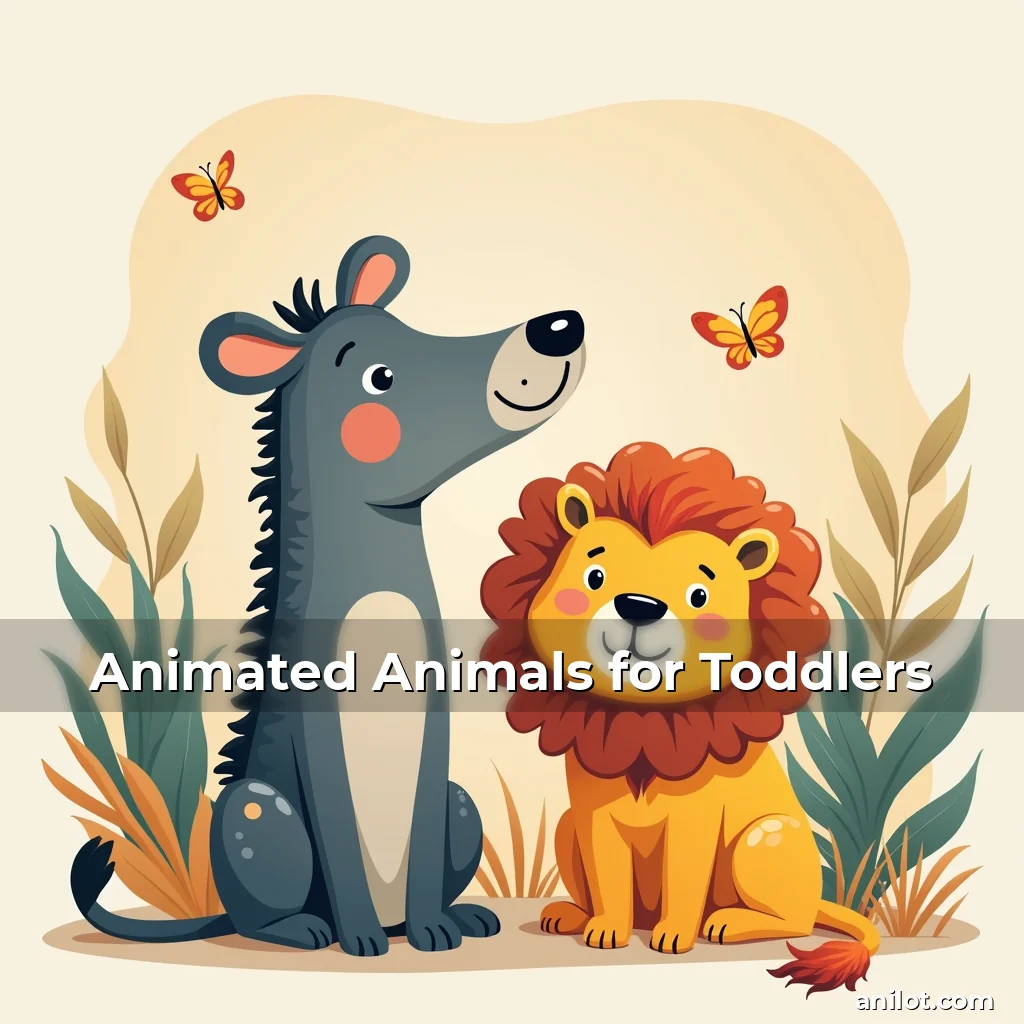
The Enchanting World of Animated Animals: A Journey Through Creativity and Connection
In today’s digital age, animated animals have become more than mere entertainment; they are cultural icons that bridge generations through their universal appeal. From the playful antics of Bugs Bunny to the heartwarming stories of Disney’s animal characters, these creatures captivate audiences worldwide. This article delves into the fascinating realm of animated animals, exploring how they influence our lives, shape our emotions, and inspire creativity.
Animated animals offer a unique blend of humor, emotion, and adventure that resonates across cultures and ages. Whether you’re a child enchanted by talking pets or an adult nostalgic for classic cartoons, there is something profoundly special about seeing animals brought to life through animation. As we journey through this article, prepare to discover the magic behind these beloved characters and their enduring impact on society.
The Evolution of Animated Animals in Media
The history of animated animals dates back to the early days of cinema when pioneers like Walt Disney began experimenting with bringing anthropomorphic creatures to life. These early animations were simple yet groundbreaking, laying the foundation for what would eventually become a global phenomenon. The transition from hand-drawn sketches to computer-generated imagery has revolutionized how we perceive and interact with animated animals.
As technology advanced, so did the complexity of character design and storytelling. Today, animated animals can express nuanced emotions, engage in intricate plots, and even challenge societal norms. This evolution reflects not only technological progress but also changing audience expectations and artistic expression within the industry.
- Pioneering Animators: Early animators such as Tex Avery and Chuck Jones introduced iconic characters that redefined what was possible in animation.
- Cultural Impact: Animated animals often serve as metaphors for human experiences, making them relatable while adding layers of meaning to narratives.
Why Animated Animals Resonate With Audiences
One reason animated animals hold such a strong grip on our hearts is their ability to embody both innocence and wisdom. They allow viewers to explore complex themes without feeling overwhelmed, providing comfort through familiar archetypes. This duality makes them particularly effective tools for teaching moral lessons and fostering empathy among younger audiences.
Furthermore, animated animals transcend language barriers, allowing diverse populations to connect emotionally regardless of linguistic differences. Their exaggerated features and expressive behaviors make it easier for children—and adults alike—to understand and relate to various situations and feelings.
The Psychological Benefits of Engaging With Animated Animals
Studies show that watching animated animals can significantly reduce stress levels in individuals of all ages. The whimsical nature of these characters provides escapism, enabling people to momentarily forget real-world problems and immerse themselves in imaginative worlds filled with wonder and possibility.
This therapeutic effect extends beyond relaxation; it encourages emotional intelligence development by exposing viewers to a wide range of scenarios where characters navigate challenges using courage, kindness, and resilience—qualities that resonate deeply during formative years.
Diverse Portrayals of Animated Animals Across Cultures
While Western media often showcases anthropomorphized animals living alongside humans in fantastical settings, other cultures present different interpretations based on local folklore and traditions. In Japan, for example, mythical beasts known as yokai frequently appear in anime, representing natural forces rather than simply being companions or adversaries.
These varied portrayals highlight how animated animals reflect cultural values and beliefs. By examining these representations globally, we gain insight into how societies view wildlife and the role animals play in shaping collective consciousness over time.
Technological Innovations Shaping Modern Animation Techniques
Recent advancements in motion capture technology have allowed creators to achieve unprecedented realism in depicting animal movements and expressions. This innovation enables filmmakers to craft highly immersive environments where animated animals behave almost identically to their real-life counterparts.
Beyond visual accuracy lies another significant advancement: AI-driven animation systems capable of generating lifelike interactions between characters automatically. Such developments promise new possibilities for interactive storytelling experiences tailored specifically toward individual viewer preferences.
- Motion Capture Advancements: High-resolution sensors now track subtle muscle movements, enhancing authenticity in every twitch and blink.
- AI Integration: Machine learning algorithms analyze vast datasets to predict optimal behavioral patterns for each species accurately.
Educational Applications Of Animated Animals
Animals have long been used as educational tools due to their inherent fascination value. Incorporating animated versions enhances engagement further by combining informative content with entertaining visuals that cater to multiple learning styles simultaneously.
Schools increasingly utilize animated animals in curricula covering topics ranging from biology to environmental science. Interactive programs featuring virtual field trips led by animated guides help students grasp abstract scientific principles through tangible examples presented in accessible formats.
Case Study: Using Animated Characters To Teach Ecology
A notable success story involves a school district implementing a program centered around animated forest creatures guiding students through ecosystems’ complexities. Students learned about food chains, biodiversity loss threats, and conservation efforts via dynamic simulations involving predator-prey relationships depicted realistically yet safely.
Feedback indicated improved test scores along with increased student participation rates compared to traditional methods alone. Teachers reported heightened interest from reluctant learners who found the material more approachable thanks to its gamified presentation style.
Animated Animals And Social Commentary
Beyond entertainment purposes, many modern animations leverage animal characters to comment on social issues affecting humanity at large. Environmental degradation receives frequent attention through depictions showing endangered species struggling against pollution or habitat destruction caused primarily by human activities.
Political satire often employs anthropomorphic animals metaphorically representing political figures or ideologies without direct reference. This technique allows artists greater creative freedom while still conveying powerful messages regarding justice, equality, and governance structures prevailing today.
- Environmental Advocacy: Films like “The Lorax” use lovable tree guardians to illustrate consequences resulting from unchecked industrialization.
- Political Satire: Shows such as South Park regularly feature animal caricatures critiquing current events subtly yet effectively.
Rising Trends In Animated Animal Content Creation
With streaming platforms expanding rapidly, demand continues growing for original content featuring animated animals designed explicitly for binge-watching sessions. Creators experiment continuously with narrative structures aiming to maintain viewer retention across episodes without sacrificing quality standards set forth earlier.
Voice acting remains crucial despite evolving technologies since well-crafted performances breathe life into otherwise static images projected onto screens worldwide daily. Audition processes grow increasingly competitive as studios seek talents able to convey deep emotional ranges required for multi-dimensional characters.
Preserving Traditions While Embracing Innovation
Despite rapid changes occurring within the animation sector concerning production techniques and distribution channels available now versus decades ago, certain fundamental aspects remain unchanged—the core purpose serving which initially inspired creation itself namely connecting people universally through shared narratives centered upon beloved animal characters.
Traditional hand-drawn approaches continue coexisting successfully alongside high-tech alternatives proving versatility exists irrespective of method chosen provided intent aligns closely enough towards achieving meaningful communication goals intended originally by creators involved throughout process undertaken collectively.
Conclusion
Animated animals occupy a unique space in contemporary culture where artistry meets education, entertainment blends seamlessly with activism, and tradition finds harmony amid constant change. Their presence enriches everyday experiences whether encountered casually while scrolling feeds online or engaged actively during dedicated viewing times devoted solely toward appreciating masterpieces crafted painstakingly over countless hours spent perfecting every frame rendered digitally before final release made publically accessible everywhere instantly anywhere anytime.
To truly appreciate animated animals’ significance fully requires recognizing not merely what they represent visually but also understanding deeper meanings embedded within stories told through them reflecting broader truths applicable universally transcending geographical boundaries separating nations apart from one another physically yet united spiritually through common love expressed naturally whenever witnessing any creature brought vibrantly alive magically through skillful hands working tirelessly behind scenes making dreams come true visibly tangibly concretely manifesting intangible ideas into physical realities experienced joyfully celebrated widely cherished endlessly remembered fondly forevermore.

news is a contributor at AniLot.com. We are committed to providing well-researched, accurate, and valuable content to our readers.
You May Also Like
About the Author
Related Articles

Digital Animal Art Strategies and Implementation
The Evolution and Artistry of Digital Animal Illustration: A New Era in Wildlife Creativity In…
Animal Characters Costume Design
The Enchanting World of Animal Character Creation: A Deep Dive into Storytelling Through Nature’s Creatures…
Educational Wildlife Animation
The Art of Educational Wildlife Animation: Bringing Nature to Life Through Digital Storytelling In an…