
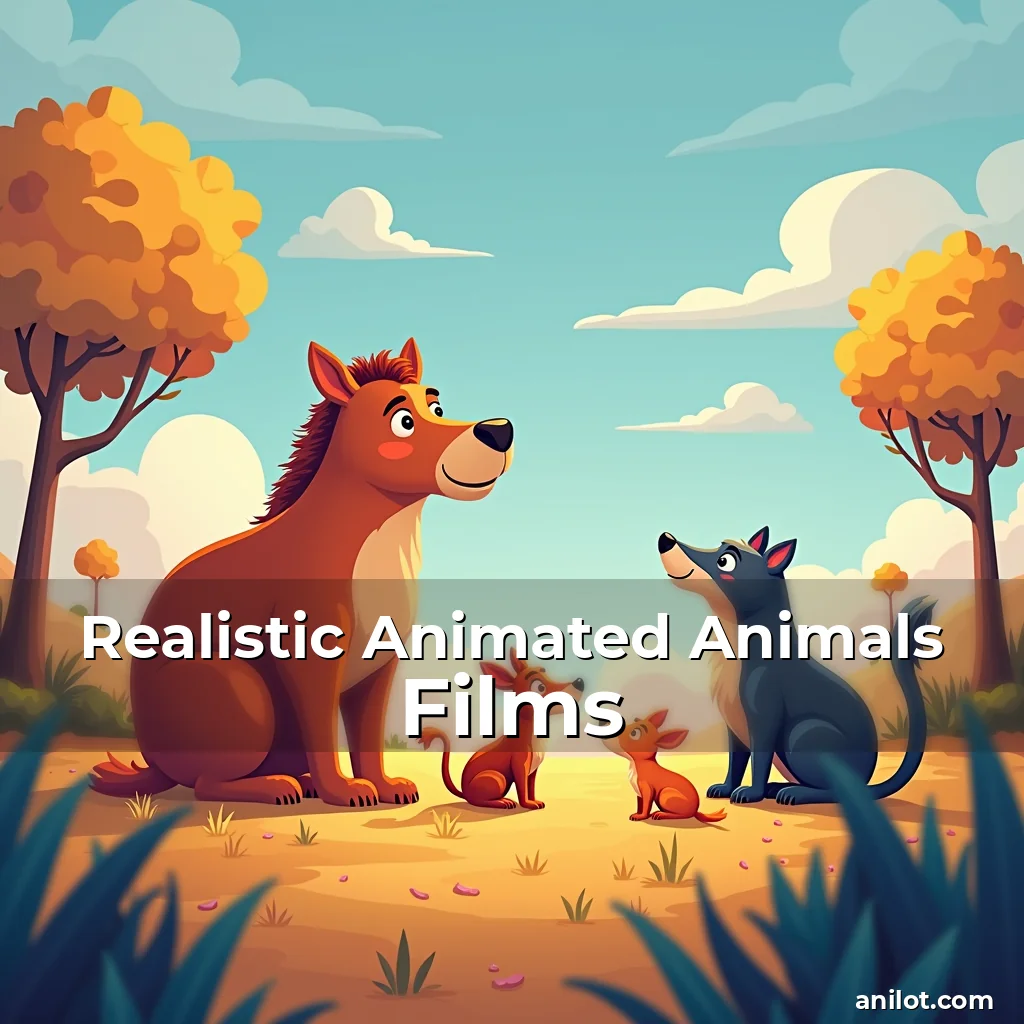
The Enchanting World of Realistic Animated Animal Films
In recent years, animated animal films have captured global attention by blending cutting-edge technology with heartwarming storytelling. These movies bring our favorite creatures to life in ways that feel almost real, offering audiences both entertainment and emotional depth.
From talking tigers to mischievous monkeys, these films showcase how animation can make us see the world through an animal’s eyes. They are not only visually stunning but also often carry powerful messages about nature conservation and interspecies relationships.
The Evolution of Animal Animation Technology
The journey from simple hand-drawn animations to hyper-realistic digital renderings has been nothing short of revolutionary. Early pioneers used traditional techniques that gave charming but stylized results. Today’s filmmakers employ motion capture and advanced simulation software to achieve lifelike movements.
This technological leap allows animators to study actual animal behavior patterns before translating them onto screen. Researchers collaborate closely with studios to ensure every flick of an ear or twitch of a tail is scientifically accurate.
Three key innovations changed the game:
- Motion Capture Systems: High-resolution sensors track live actors’ movements which are then applied to virtual characters for natural motion
- Fur Simulation Software: Complex algorithms create realistic hair dynamics that respond naturally to wind and movement
- Biomechanical Modeling: Scientists use anatomical data to simulate muscle contractions and bone structures accurately
These breakthroughs enable creators to produce films where animals behave exactly as they would in the wild. The result is immersive experiences that transport viewers into different ecosystems without leaving their seats.
Studios invest millions in developing proprietary tools specifically for animal animation projects. Custom-built rendering engines allow for unprecedented levels of detail in textures, lighting effects, and environmental interactions.
Crafting Compelling Animal Narratives
Behind every great animated animal film lies a well-crafted story that resonates emotionally with audiences. Screenwriters must balance educational value with entertaining plotlines while maintaining species-specific behaviors.
Successful narratives often follow classic character arc structures adapted to non-human protagonists. This requires careful consideration of each creature’s instincts, social structures, and survival challenges when building plots.
Narrative development involves several critical elements:
- Species Authenticity: Writers consult biologists to ensure portrayed behaviors match real-world observations
- Emotional Resonance: Stories emphasize universal themes like friendship, family bonds, and overcoming adversity
- Educational Value: Subtle integration of ecological information enhances viewer understanding without disrupting flow
Dramatic tension comes from portraying animals facing real threats like habitat destruction or predator-prey conflicts. These scenarios educate viewers while maintaining cinematic appeal.
Dialogue writing presents unique challenges since animals cannot speak human languages naturally. Voice actors must convey emotions through tone variations rather than literal speech.
Pioneering Studios in Animal Animation
A few visionary production companies have set new standards in bringing animal characters to life. Their commitment to quality has redefined what’s possible in animated filmmaking.
Led by veteran directors with backgrounds in both science and art, these studios combine technical expertise with creative storytelling. Their teams include experts ranging from zoologists to AI specialists working together towards common goals.
Notable innovators in the field include:
- Skyline Animations: Known for their groundbreaking fur simulation technology that won industry awards
- TerraPix Studio: Pioneers in creating photorealistic environments that seamlessly integrate with animal characters
- VitaVision Entertainment: Specializes in behavioral accuracy using machine learning models trained on wildlife footage
Each studio brings its own unique approach to the craft while contributing collectively to advancing the medium. Collaborations between these entities frequently lead to remarkable advancements in animation capabilities.
Investment in research and development remains crucial for sustaining innovation. Many studios maintain dedicated labs focused exclusively on improving animal-related animation technologies.
Animals That Inspire Filmmakers Most Frequently
Certain species consistently appear across various productions due to their expressive abilities and relatable characteristics. These animals offer ideal candidates for conveying complex emotions and narratives.
The domestic cat ranks high among favored subjects because of its independent yet affectionate nature. Its wide range of facial expressions makes it particularly suited for dramatic roles.
Other popular choices include:
- Canines: Dogs’ loyal personalities provide strong foundations for stories centered around companionship and loyalty
- Rodents: Small mammals like mice offer opportunities for comedic timing and intricate physical comedy sequences
- Primates: Apes and monkeys showcase intelligence and dexterity that lend themselves well to action-packed scenes
Birds remain perennial favorites thanks to their aerial agility and vibrant plumage. Their ability to fly adds dynamic visual elements to any scene.
Marine life offers exciting possibilities despite greater technical challenges. Dolphins and whales present unique storytelling opportunities related to underwater worlds and communication methods.
Environmental Storytelling Through Animated Creatures
Animated animal films serve as powerful platforms for raising awareness about ecological issues. By depicting endangered species struggling against environmental degradation, these movies spark conversations about sustainability.
Artists meticulously recreate threatened habitats down to the smallest details – from specific plant species to atmospheric conditions affecting animal behavior. This authenticity strengthens the message being conveyed.
Conservation-themed films typically feature:
- Habitat Destruction: Scenes showing deforestation or pollution impacting animal populations
- Climate Change Effects: Depictions of shifting weather patterns altering migration routes and food sources
- Human-Wildlife Conflict: Portrayal of urban expansion encroaching upon natural territories
By making these issues accessible through engaging stories, filmmakers help bridge the gap between scientific knowledge and public understanding. Viewers often leave feeling motivated to support preservation efforts.
Many productions partner with conservation organizations to amplify their impact beyond the screen. Educational materials accompany films to encourage continued engagement with environmental causes.
The Role of Sound Design in Animal Animation
Creating authentic soundscapes is essential for immersing audiences in animated animal worlds. From subtle rustles to thunderous roars, audio plays a vital role in establishing believability.
Sound designers work extensively with wildlife recordists to capture genuine animal noises. These recordings form the foundation for layered audio compositions that enhance narrative immersion.
Audio creation processes involve:
- Field Recording Sessions: Capturing raw sounds from natural environments worldwide
- Voice Modulation Techniques: Adjusting vocalizations to fit character personalities and situations
- Environmental Ambience Construction: Building complete auditory landscapes including background noise and weather effects
Advanced synthesis tools now allow for precise manipulation of frequencies to create entirely new animal sounds while maintaining biological plausibility.
Music composition complements these audio elements perfectly, enhancing emotional beats without overpowering dialogue or ambient sounds. Composers often draw inspiration from natural rhythms found in animal calls.
Global Influence of Animated Animal Films
Animated animal films have transcended cultural boundaries, becoming universally appealing cinema experiences. Their success demonstrates the power of storytelling through non-verbal means.
International collaborations enrich these productions by incorporating diverse artistic perspectives. Cultural consultants ensure respectful representation of indigenous beliefs and practices featured in stories.
Some notable international contributions include:
- Japanese Studios: Bring meticulous craftsmanship evident in intricate fur detailing and fluid motion depiction
- Indian Production Houses: Offer rich mythological contexts that add depth to animal-centric narratives
- South Korean Teams: Excel at combining futuristic special effects with traditional folklore elements
Streaming services have expanded access to these films globally, allowing cross-cultural exchange and appreciation of different animation styles. Audiences worldwide develop shared references and discussions about these cinematic works.
Academy Award recognition further validates the significance of animated animal films within the broader scope of cinema history. Their growing presence in prestigious award categories reflects increasing appreciation for this genre.
Challenges Facing Animal Animation Artists
Despite remarkable achievements, artists face significant hurdles in creating convincing animal portrayals. Technical limitations sometimes prevent full realization of ambitious creative visions.
Simulating organic materials like fur or feathers continues to be computationally intensive. Balancing realism with performance efficiency remains an ongoing challenge for developers.
Main obstacles encountered by professionals include:
- Computational Demands: Rendering highly detailed animal features requires massive processing power and time
- Behavioral Accuracy: Replicating nuanced animal behaviors demands extensive observation and analysis
- Character Expression Limitations: Conveying complex emotions through animal faces poses interpretive difficulties
Developing solutions often involves long-term research initiatives and interdisciplinary collaboration. Academic institutions increasingly contribute through specialized courses and research programs.
Ongoing debates exist regarding ethical considerations in animal portrayal. Some critics argue that anthropomorphizing animals might distort perceptions of wildlife biology and ecology.
Educational Applications of Animal Animation
Beyond entertainment, animated animal films play valuable roles in education systems worldwide. Their engaging format helps students grasp complex scientific concepts more easily.
Interactive versions of these films are used in classrooms to teach topics ranging from evolutionary biology to ecosystem dynamics. Teachers appreciate the way these resources simplify abstract ideas.
Educational benefits include:
- Enhanced Engagement: Students show increased interest in STEM subjects when presented with animated content
- Visual Learning Aids: Dynamic visuals help explain biological processes that are difficult to observe firsthand
- Cross-Disciplinary Connections: Encourage exploration of areas like environmental science, anatomy, and ethology
Specialized curricula incorporate these films alongside hands-on activities to reinforce classroom learning. Virtual reality adaptations take experiential education even further.
Libraries and museums utilize these animations to create interactive exhibits that blend entertainment with informative content. Public programming featuring these films sparks wider interest in scientific literacy.
Future Innovations in Animal Animation
The future promises exciting developments that will push the boundaries of what we consider possible in animated animal filmmaking. Emerging technologies continuously reshape the landscape of this evolving medium.
Researchers are exploring neural interface systems that could revolutionize motion capture technology. Such advances may eventually allow direct translation of brain signals into digital animations.
Upcoming trends suggest:
- AI-Driven Character Creation: Machine learning algorithms analyzing vast datasets of animal behavior to generate realistic motions autonomously
- Augmented Reality Integration: Blending digital animals with real-world environments for immersive educational experiences
- Biometric Feedback Systems: Using physiological responses to adjust animations dynamically based on audience reactions
Advancements in material science could lead to breakthroughs in simulating living tissues realistically. These developments promise even more lifelike representations of animal physiology.
Ethical guidelines surrounding artificial intelligence applications in animation require careful consideration. Responsible implementation ensures these technologies enhance rather than replace human creativity.
Community Impact and Fan Culture
The passionate fan base supporting animated animal films fosters vibrant communities that celebrate and discuss these creations. Online forums and conventions provide spaces for enthusiasts to connect over shared interests.
Merchandise inspired by these films creates economic value while spreading brand awareness. Collectibles range from figurines to interactive toys that replicate movie scenes.
Engagement strategies employed by studios include:
- Virtual Meet-and-Greets: Connecting fans with voice actors and animators through online events
- User-Generated Content Contests: Encouraging fans to share their interpretations of characters and settings
- Exclusive Behind-the-Scenes Access: Offering sneak peeks into production processes through official channels
These initiatives strengthen audience connections by providing deeper insight into the creative process behind beloved films. Interactive web experiences let fans explore fictional worlds in novel ways.
Conventions dedicated solely to animated animal films attract thousands annually, featuring panels with industry experts and showcases of fan-made artwork. These gatherings solidify the genre’s place in contemporary pop culture.
Conclusion
The realm of realistic animated animal films continues to evolve rapidly, pushing creative and technological boundaries simultaneously. These productions demonstrate the incredible potential of animation as both an artistic expression and educational tool.
As we look ahead, the synergy between emerging technologies and traditional storytelling methods promises even more captivating experiences. Engaging with these films not only entertains but also inspires reflection on our relationship with the natural world.

news is a contributor at AniLot.com. We are committed to providing well-researched, accurate, and valuable content to our readers.
You May Also Like
About the Author
Related Articles
Wildlife Animation Conservation Messages
Wildlife Animation Conservation Messages In today’s digital age, wildlife animation has emerged as a powerful…
Annecy International Animation Film Festival
Cartoon Network Studios Commemorates its 25th Anniversary The Annecy International Animation Film Festival will once…
Vintage Animal Cartoons Collection
Vintage Animal Cartoons Collection In the ever-evolving world of animation, vintage animal cartoons hold a…