
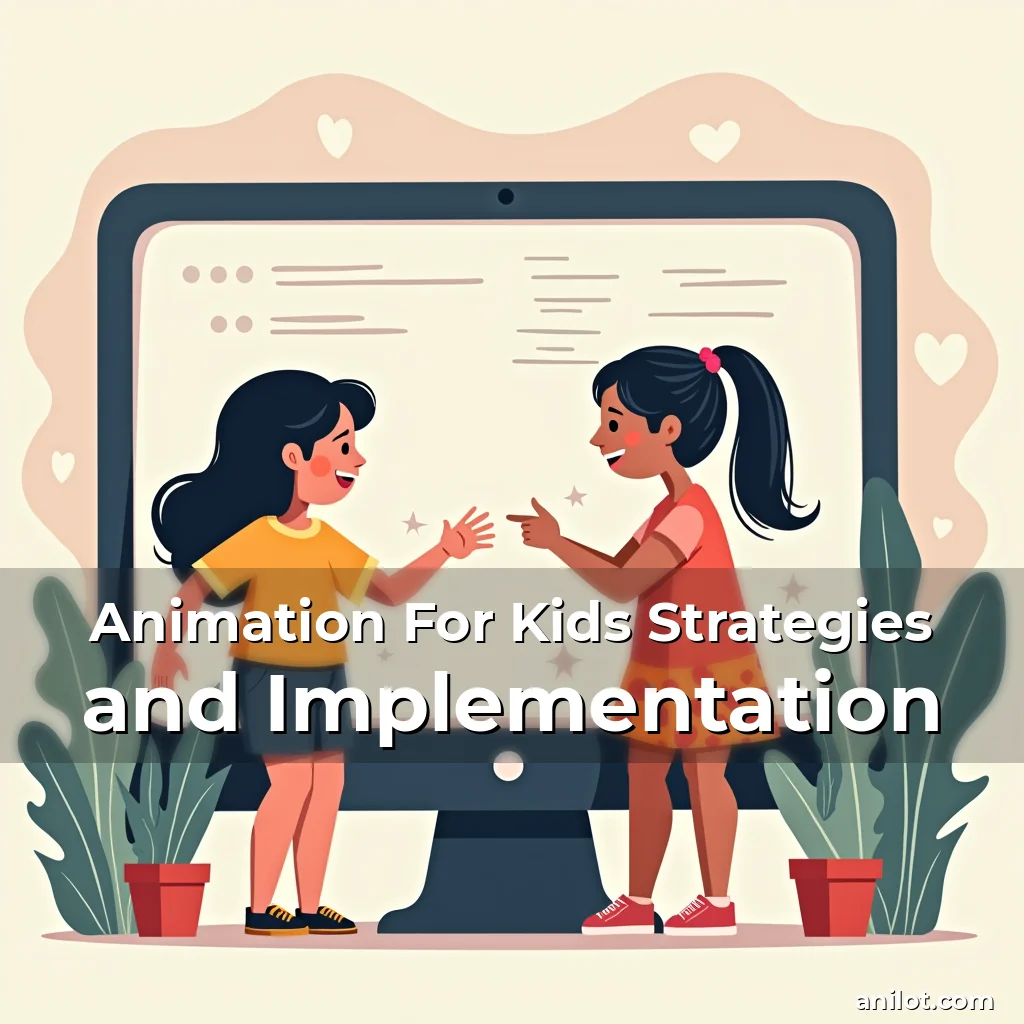
The Magic of Animation: A Gateway to Creativity and Learning for Kids
In today’s digital age, animation has become more than just entertainment—it’s a powerful educational tool that captivates young minds. From vibrant characters to imaginative stories, animated content offers children a world of possibilities where they can explore, learn, and grow.
This guide delves deep into the enchanting realm of animation for kids, uncovering how it fosters creativity, enhances learning, and nurtures emotional development through captivating visual storytelling.
The Educational Power of Animated Content
Animated shows and videos are not merely distractions; they serve as dynamic platforms for education. Through engaging narratives, children absorb information effortlessly while being entertained by colorful visuals and relatable characters.
Studies have shown that animations help reinforce complex subjects such as science and math in ways traditional textbooks cannot achieve. For example, an animated series explaining the water cycle makes abstract concepts tangible and memorable for young learners.
- Interactive Learning: Many educational animations include interactive elements that encourage participation from viewers, making them active participants rather than passive consumers.
- Cultural Awareness: Exposure to diverse cultures within animated programming broadens children’s perspectives and promotes inclusivity right from childhood.
Fostering Creativity Through Animation
Animation allows children to express themselves creatively without limitations. Whether drawing their own characters or writing simple scripts, the process encourages artistic exploration at every stage.
Parents and educators play crucial roles in nurturing these creative impulses by providing access to tools like stop-motion apps or digital art software designed specifically for younger users.
Tools That Spark Imagination
Digital drawing tablets offer kids a way to bring their ideas onto screen easily. Programs like Scratch Jr enable even very young children to create basic animations using drag-and-drop features which build foundational coding skills simultaneously.
Stop-motion animation kits allow families to collaborate on projects together—this hands-on approach strengthens bonds between parents/children while teaching patience and attention to detail necessary in any form of artistry.
Emotional Development via Animated Storytelling
Animated films often tackle themes related to friendship, courage, and overcoming challenges—all vital aspects of personal growth during early years. These messages resonate deeply because they’re conveyed through universally appealing formats accessible across various age groups.
Characters facing obstacles provide real-life parallels helping youngsters understand emotions better. Watching someone else deal with fear or sadness teaches empathy naturally without direct confrontation.
Parental Involvement in Child’s Animated Experience
Engaging with your child over what they watch is essential for maximizing benefits derived from animated media. Discussing plot points after viewing sessions opens up conversations about values embedded within stories told through animation.
You might find opportunities discussing moral dilemmas presented in episodes; doing so helps shape ethical understanding progressively alongside academic knowledge gained through other means too.
Bridging Gaps Between Traditional Media & Digital Worlds
While there remains debate regarding screen time effects upon cognitive abilities among youth populations globally, quality-controlled animated content proves beneficial when balanced appropriately within daily routines.
Educators increasingly integrate multimedia resources including professionally produced animations into classroom settings thereby enhancing overall engagement levels compared solely relying upon conventional methods alone.
Tips For Choosing Quality Animated Material
Selecting appropriate material requires careful consideration based upon developmental stages each kid goes through individually. Age ratings provided by production companies act as starting guides but shouldn’t be considered absolute rules since individual maturity varies greatly amongst peers alike.
Look out for productions featuring positive role models who demonstrate resilience, kindness towards others regardless situation faced – traits worth emulating especially given current social dynamics affecting modern society widely.
Future Trends In Childrens’ Animation Industry
The landscape surrounding children’s animation continues evolving rapidly due technological advancements allowing greater interactivity between audiences consuming said materials online nowadays.
Virtual reality experiences tailored explicitly toward educational purposes now exist offering immersive environments where students interact physically with virtual objects representing scientific phenomena occurring around us everyday life situations encountered frequently enough already!
Encouraging Home-Based Creative Projects With Animation Tools
Creating homemade animations doesn’t require expensive equipment anymore thanks largely attributable innovations made possible through smartphones equipped high-resolution cameras capable recording sufficient quality footage required producing compelling results quickly conveniently anywhere anytime desired place chosen.
Simple applications available free download permit editing recorded clips adding soundtracks backgrounds transitions etc transforming raw recordings full-fledged mini-movies suitable sharing friends family members proud accomplishments achieved collectively working project.
Conclusion
Animation holds immense potential shaping future generations positively impacting both academically personally developmentally significant milestones reached throughout lifetimes lived afterwards.
By embracing this medium thoughtfully integrating wisely into everyday activities involving children ensures continued enrichment occurs consistently leading ultimately successful outcomes realized eventually down road ahead whatever paths selected pursued later life decisions made accordingly informed choices taken earlier days spent exploring discovering new things learned along journey undertaken thus far.

news is a contributor at AniLot.com. We are committed to providing well-researched, accurate, and valuable content to our readers.
You May Also Like

About the Author
Related Articles
Age-Appropriate Animation for Kids
Age-Appropriate Animation for Kids The world of animation has evolved dramatically over the years, becoming…

Cutest Funny Animal Videos
Cutest Funny Animal Videos That Will Leave You Laughter-Hoarse Funny animal videos have become a…
Educational Animation for Kids
Educational Animation for Kids Animation isn’t just entertainment—it’s a powerful tool for teaching young minds.…