
The Art of Wildlife Animation: Crafting Living Worlds Through Digital Storytelling
In the vibrant realm where technology meets nature, wildlife animation emerges as a captivating art form that breathes life into the animal kingdom through digital storytelling. This intricate process combines artistic creativity with advanced technical skills to create animations that not only entertain but also educate audiences about our planet’s diverse ecosystems.
From animated documentaries showcasing endangered species to interactive educational games teaching children about different habitats, wildlife animation plays a crucial role in raising awareness about conservation efforts while providing immersive experiences that connect people with the natural world.
Fundamentals of Wildlife Animation
At its core, wildlife animation involves creating lifelike representations of animals using various techniques such as traditional hand-drawn animation, stop-motion, and computer-generated imagery (CGI). These methods allow animators to capture the essence of each creature, from their physical characteristics to behavioral patterns.
Animators often begin by studying real-life footage of animals to understand their movements accurately. This research phase is essential because even subtle gestures can significantly impact how believable an animated character appears to viewers.
Beyond mere imitation: While replicating realistic motion is vital, successful wildlife animations also incorporate creative elements that enhance storytelling without compromising authenticity.
An understanding of anatomy helps animators portray creatures correctly, ensuring accurate muscle movement during actions like running or swimming. Similarly, knowledge of biology assists in depicting behaviors such as hunting instincts or social interactions within species groups.
Technological advancements have revolutionized wildlife animation: The development of sophisticated software tools has made it easier than ever before to simulate complex environments and animate animals with unprecedented realism.
- Software Utilization: Programs like Maya, Blender, and ZBrush enable artists to model intricate textures found on fur coats or scales across reptiles’ bodies.
- Physics Engines: Advanced physics simulations help recreate realistic interactions between characters and their surroundings, whether it’s water splashing when a dolphin dives underwater or leaves rustling underfoot during a forest walk.
These technological innovations empower creators to push boundaries further while maintaining scientific accuracy in their depictions of wildlife behavior and habitat conditions.
Creative Processes Behind Wildlife Animations
Crafting compelling wildlife animations begins with conceptual design—visualizing what kind of story needs telling through these living beings. Concept artists sketch out ideas based on script requirements which might involve depicting certain species interacting within specific ecological settings.
Storyboard creation follows next; here, scenes are laid out sequentially showing how each shot will transition smoothly into another. This visual roadmap guides subsequent stages including modeling, rigging (setting up skeletons for posing), texturing, lighting setups, and finally rendering final images frames ready for playback sequences.
Rigging enables dynamic expressions: By setting up internal structures akin to bones inside every modeled creature body part, animators gain control over facial features allowing them express emotions ranging from fearfulness upon encountering predators right down playful antics seen among young primates playing together.
This level of detail contributes greatly towards making animated creatures feel genuine rather than artificial constructs programmed solely via mathematical equations devoid human-like nuance present naturally among actual fauna populations worldwide.
Applications Across Industries
Wildlife animation finds extensive use beyond entertainment sectors alone. Educational institutions frequently employ animated visuals alongside textbooks aimed at enhancing student engagement levels regarding biological topics covered therein.
Digital media platforms leverage high-quality renderings created specifically for online streaming services focusing heavily on environmental themes emphasizing importance preserving biodiversity amidst increasing threats posed climate change scenarios globally today.
Educational Value: Interactive modules featuring animated wildlife allow learners explore virtual ecosystems safely interactively manipulate variables affecting survival rates particular organisms dependant food chains existing thereupon.
Conservation organizations benefit immensely too through producing informative videos highlighting current issues facing threatened species thereby rallying public support necessary funding ongoing rescue operations conducted field researchers dedicated protecting vulnerable inhabitants earths biosphere daily.
Behind-the-scenes Roles in Wildlife Animation Projects
A typical wildlife animation project requires collaboration amongst numerous specialists working closely together achieving common goal delivering visually stunning yet scientifically sound productions worthy admiration appreciation global audience members regardless age background geographical location originating.
Art directors oversee overall aesthetic direction ensuring consistency maintained throughout entire production cycle spanning initial concept development stage leading up final delivery product destined screens homes theatres everywhere planet Earth currently resides millions individuals enjoying cinematic experiences provided modern day film industry thrives upon.
Character Designers: Responsible for developing distinct identities assigned individual animals featured stories told within narratives presented audiences seeking knowledge enjoyment simultaneously.
Voice Artists: Bring personalities forth through vocal performances capturing nuances exhibited real-world counterparts thus making animated versions relatable emotionally resonant memorable long after viewing sessions conclude.
Sound Engineers: Work meticulously recording ambient noises characteristic respective habitats enabling immersion deeper connection formed between spectators depicted landscapes populated fascinating creatures inhabiting those regions naturally occurring environments protected carefully managed sustainably utilized future generations inherit healthy functioning planetary systems reliant delicate balance maintained responsibly.
Trends Shaping Future of Wildlife Animation
As we move forward technologically driven era characterized rapid innovation constant evolution fields related digital arts crafts, several emerging trends poised reshape landscape wildlife animation sector profoundly influence approaches taken professionals involved crafting new projects slated release coming years ahead.
Virtual Reality Integration: VR technology offers exciting possibilities allowing users experience simulated environments firsthand exploring wild spaces virtually navigating through dense jungles encountering exotic species never encountered physically otherwise due limitations imposed travel logistics financial constraints faced ordinary citizens wishing engage activities typically reserved adventurers explorers equipped specialized gear equipment required surviving harsh terrains uncharted territories.
AI-Driven Animation: Artificial Intelligence applications increasingly used assist streamline processes previously labor-intensive requiring manual input from humans performing repetitive tasks now automated efficiently reducing time spent completing assignments formerly consumed significant resources allocated projects budgets.
Interactive Storytelling: Incorporation interactive elements enhances viewer participation transforming passive observers active participants shaping outcomes decisions impacting storyline progression dynamically responding choices made along journey undertaken exploring fictional worlds populated digitally rendered wildlife entities designed fulfill roles integral plot developments unfolding screen.
Sustainability Focus: Growing emphasis placed promoting eco-friendly practices throughout production pipelines aiming minimize carbon footprints associated manufacturing materials utilized constructing sets props costumes worn characters portrayed scenes filmed recorded subsequently edited compiled released publicly accessible channels distribution networks available worldwide consumers seeking quality content aligned personal values concerning environmental stewardship responsibility shared collectively humanity ensuring continued existence thriving ecosystems sustaining life forms dependent upon them survive prosper thrive indefinitely future.
Challenges Faced by Wildlife Animators
Despite remarkable achievements attained thus far within domain wildlife animation, practitioners still encounter obstacles hindering full realization visions intended conveyed effectively reaching desired audiences successfully achieving goals set forth beginning phases project conception planning stages.
Limited Resources: Smaller studios or independent creators often struggle securing adequate funding necessary acquiring top-tier software licenses hiring skilled personnel fulfilling multifaceted demands required executing ambitious undertakings involving elaborate simulations complex character designs demanding considerable investment initially.
Scientific Accuracy vs. Creative Freedom: Balancing factual representation against narrative needs poses challenge particularly when portraying extinct species or hypothetical scenarios requiring extrapolation data points gathered historical records contemporary observations extrapolated logically plausible conclusions drawn thereof.
Technical Limitations: Even most powerful computers occasionally face difficulties handling massive datasets generated high-resolution renders necessitating immense processing power storage capacity managing files sizes exponentially growing larger proportionately increased complexity incorporated models textures animations developed overtime.
Ethical Considerations: Ensuring respectful portrayal indigenous cultures wildlife respecting cultural sensitivities avoiding misrepresentation stereotypes perpetuated inaccurate depictions potentially damaging reputations communities whose traditions beliefs intertwined deeply relationships maintained local fauna flora surrounding areas inhabited traditionally.
The Role of Education in Advancing Wildlife Animation Careers
For aspiring professionals eager pursue careers within wildlife animation field, obtaining formal education proves invaluable establishing foundation essential mastering requisite skills demanded industry standards prevailing nowadays competitive market environment dominated expertise specialization highly valued traits sought employers actively recruiting candidates possessing relevant qualifications certifications demonstrating proficiency utilizing latest technologies employed widely accepted methodologies prevalent profession today.
Academic programs focused animation studies provide students opportunity learn fundamental principles governing visual communication conveying messages effectively leveraging color composition spatial arrangement organizing information cohesively manner understandable appealing target demographic segments addressed through produced works disseminated mass audiences consuming multimedia content regularly basis.
Specialized Courses: Institutions offering degrees animation design often include coursework covering aspects such biomechanics relating animal locomotion physics influencing object interaction simulations enhancing realism achieved through digital recreations nature phenomena observed reality.
Hands-On Experience: Practical training gained internships collaborative projects fosters growth developing portfolios showcasing talents attracting attention potential recruiters scouting talent pools searching qualified applicants capable contributing innovative solutions addressing challenges encountered daily workflows experienced practitioners engaged continuously evolving landscape professional practice.
Community Contributions & Collaborative Efforts in Wildlife Animation
The wildlife animation community thrives on collaboration, fostering environments where enthusiasts, educators, scientists, and artists converge to share knowledge and inspire collective progress toward more authentic and impactful representations of the natural world.
Online forums, workshops, and conferences serve as vital hubs connecting individuals passionate about wildlife animation, facilitating exchanges of ideas, techniques, and best practices that enrich the craft and drive innovation forward.
Open Source Initiatives: Open-source software and asset libraries democratize access to tools once exclusive to elite studios, empowering independent creators and smaller teams to produce high-quality work comparable to industry giants.
Cross-Disciplinary Partnerships: Collaborations between animators and biologists ensure scientific accuracy in animations, bridging gaps between artistic expression and empirical research to deliver content both aesthetically pleasing and factually correct.
Public Engagement: Community-driven projects invite broader participation, from citizen science initiatives that gather data used in animations to crowdsourcing efforts that collect feedback to refine and improve animated educational materials.
Such collaborative endeavors not only elevate the standard of wildlife animation but also foster a sense of shared purpose, uniting diverse stakeholders in the pursuit of meaningful storytelling that honors the complexities of the natural world.
Conclusion
Wildlife animation stands as a testament to the harmonious convergence of artistry, technology, and ecological consciousness, offering a unique medium to celebrate the wonders of the natural world while advocating for its preservation.
By embracing continuous learning, leveraging emerging technologies, and nurturing collaborative spirit within community, creators can continue pushing boundaries redefining what possible achieve blending imagination with scientific rigor crafting narratives resonate deeply hearts minds generations come.

news is a contributor at AniLot.com. We are committed to providing well-researched, accurate, and valuable content to our readers.
You May Also Like
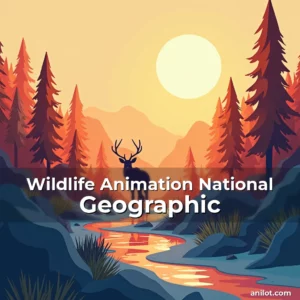
About the Author
Related Articles
The Enchanting World of Animal Animation Films: A Journey Through Whiskers and Wings
The Enchanting World of Animal Animation Films: A Journey Through Whiskers and Wings In recent…
Animal Characters Merchandising
The Enchanting World of Animal Character Merchandise: A Collector’s Journey Through History and Culture In…
ApplaToon: A New Chapter in Mumbai’s Storytelling Journey
The city of Mumbai, known for its vibrant cultural heritage, is now embarking on an…